
Most people know that electric vehicles don’t use gas, but I used to wonder what actually powers them. I wanted to understand the electric vehicle components and how they all work together to move the car.
Learning about the battery, motor, and other systems helped me see why EVs drive differently and need less upkeep than gas cars.
If you’re interested too, this will help you get clear answers. You’ll learn how each part, like the inverter, battery pack, and motor, connects and plays its role.
I’ll also walk you through real examples from popular models and show how safety and support systems keep things running right.
By the end, you’ll have a solid understanding of what powers an electric vehicle from the inside out.
What Makes Electric Vehicles Different from Regular Cars?
Electric vehicles (EVs) work very differently from regular gas-powered cars. The biggest difference is the power source. EVs run on electricity stored in a big battery. Gas cars burn fuel in an engine to move. EVs don’t need gas, oil changes, or tailpipes.
Because EVs use electric motors, they don’t need things like engines, fuel tanks, or complex transmissions. They have fewer moving parts, which means less can go wrong. That also makes them easier to keep up with over time.
At the center of this change is a shift to simple and clean power. EVs use energy more efficiently. Almost all the power goes into making the car move. In gas cars, much of the energy is lost as heat.
The move toward electric cars isn’t just about saving gas. It’s about using smart systems with fewer parts, less waste, and cleaner energy. That’s what makes EVs different and better for the future.
Key Components of an Electric Vehicle (EV)
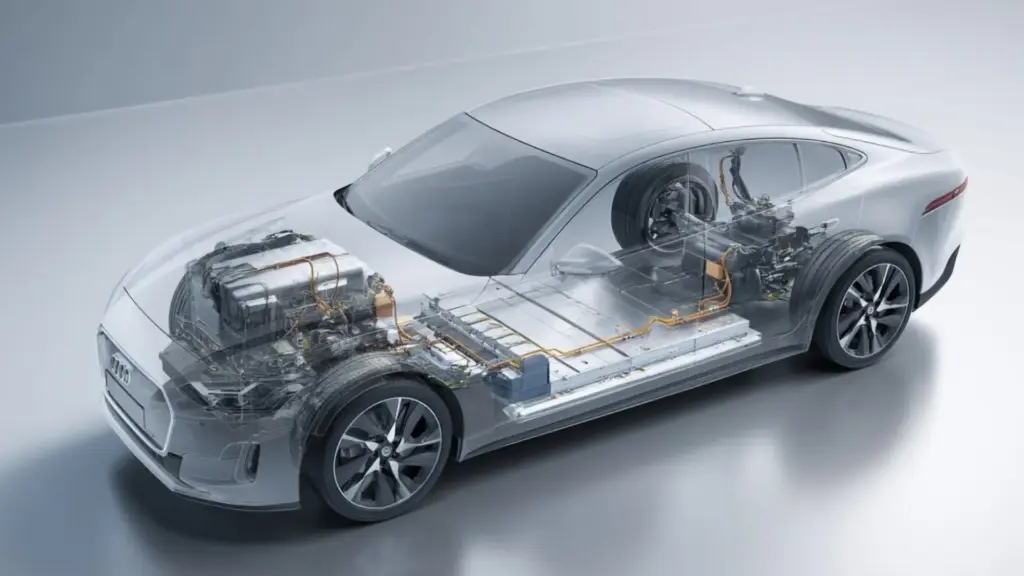
Electric vehicles are made up of several smart parts that work together to keep you moving cleanly and efficiently. Each component plays a specific role in making the car run smoothly, safely, and reliably:
1. Battery Pack
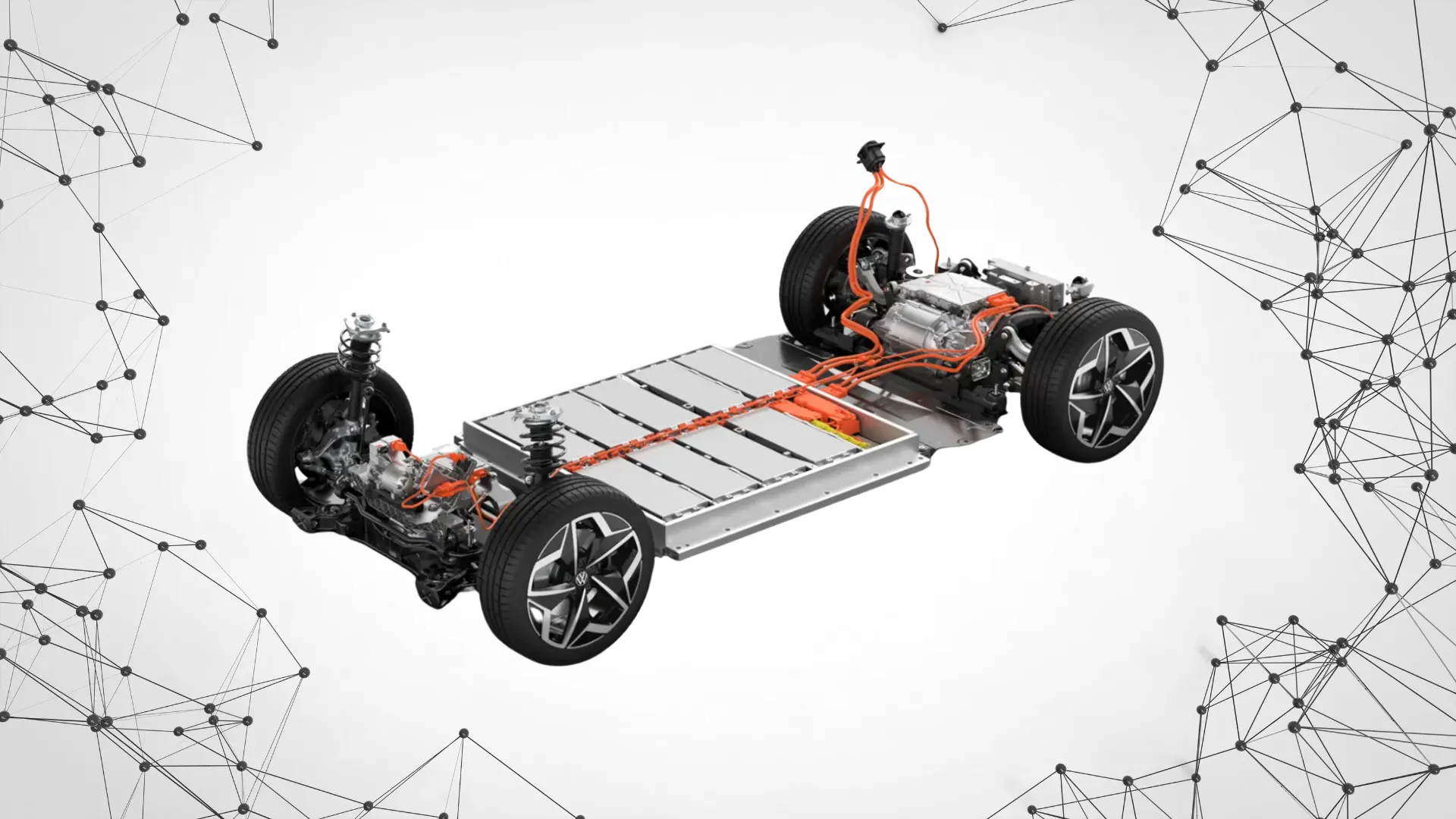
The battery pack is the heart of any EV. It stores energy and sends it to the motor when needed. Think of it like a giant rechargeable phone battery.
A Battery Management System keeps it healthy and running safely. Without a good battery, the car simply won’t move far.
| Type | Energy Density | Lifespan | Cost | Best Use |
|---|---|---|---|---|
| Lithium-ion | High | 8–15 years | $6,000–$12,000 | Most consumer EVs today |
| Solid-state | Very High | 15–20 years | $15,000–$25,000 | Next-gen EVs and premium models |
Fact: A typical EV battery can last between 100,000 and 200,000 miles before needing replacement.
2. Electric Motor
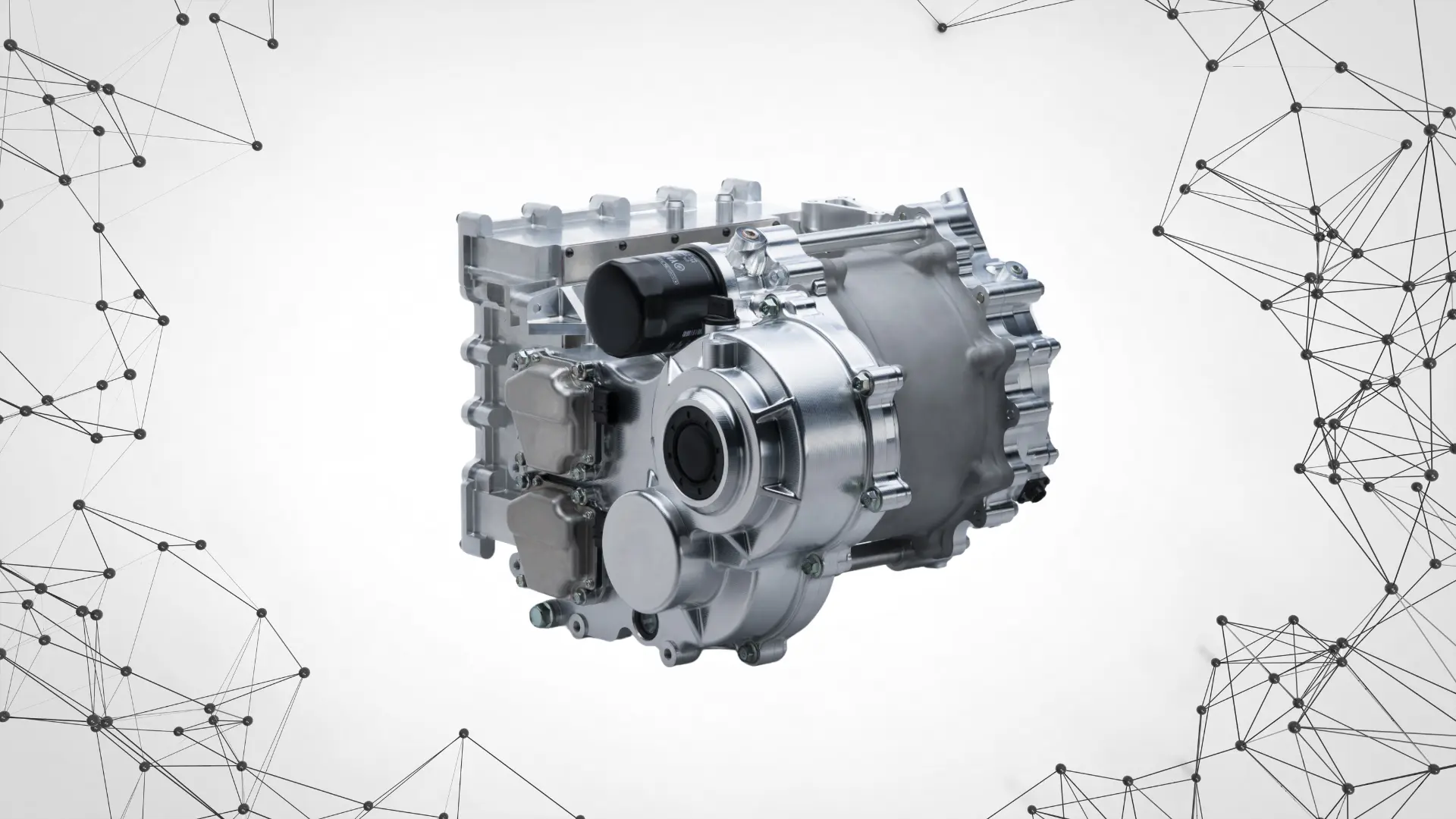
The electric motor turns electrical energy into movement. When you press the pedal, it responds instantly. There is no delay like in a gas engine. It is quiet, smooth, and very efficient.
Fewer moving parts mean less wear and tear. It is one of the simplest yet most powerful parts of the whole vehicle.
| Type | Efficiency | Torque | Cost | Best For |
|---|---|---|---|---|
| AC Induction Motor | Good | High at speed | $1,500–$3,500 | High-speed and performance driving |
| Permanent Magnet Motor | Excellent | High from the start | $2,000–$5,000 | Every day commuting and efficiency |
Fact: Electric motors are about 90% efficient, while gas engines only convert around 40% of fuel into motion.
3. Inverter
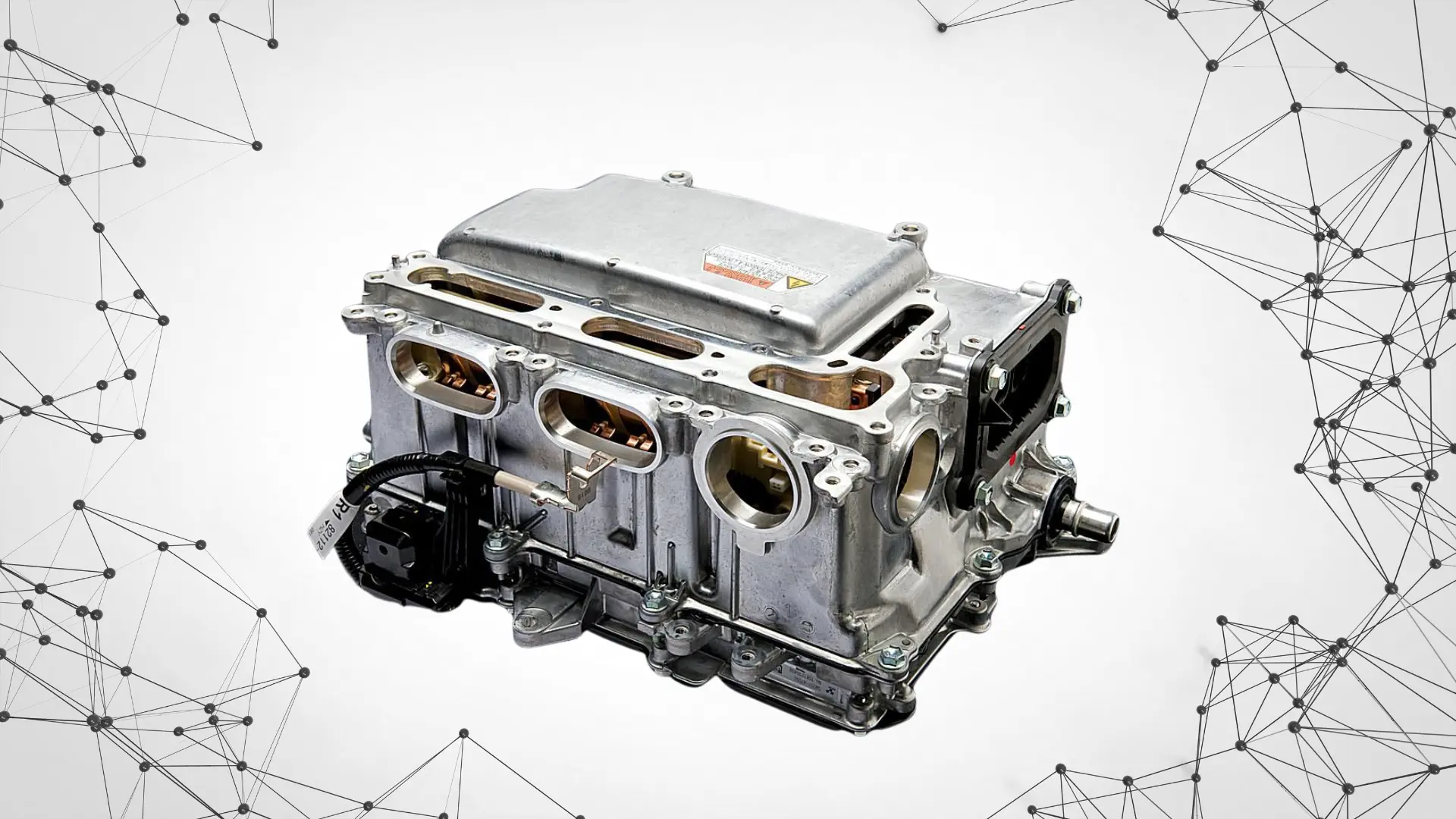
The inverter is a key part that most people never think about. Your battery stores DC power, but the motor needs AC power.
The inverter makes that switch happen in real time. It also controls how fast the motor spins. Without it, the motor simply would not work at all.
| Type | Power Output | Smoothness | Cost | Best For |
|---|---|---|---|---|
| Single-phase Inverter | Lower | Moderate | $500–$1,500 | Lighter and lower-power vehicles |
| Three-phase Inverter | Higher | Very Smooth | $1,500–$4,000 | Performance and full-size EVs |
Fact: A faulty inverter can reduce an EV’s performance significantly, making it one of the most critical components.
4. Charger and Charging System

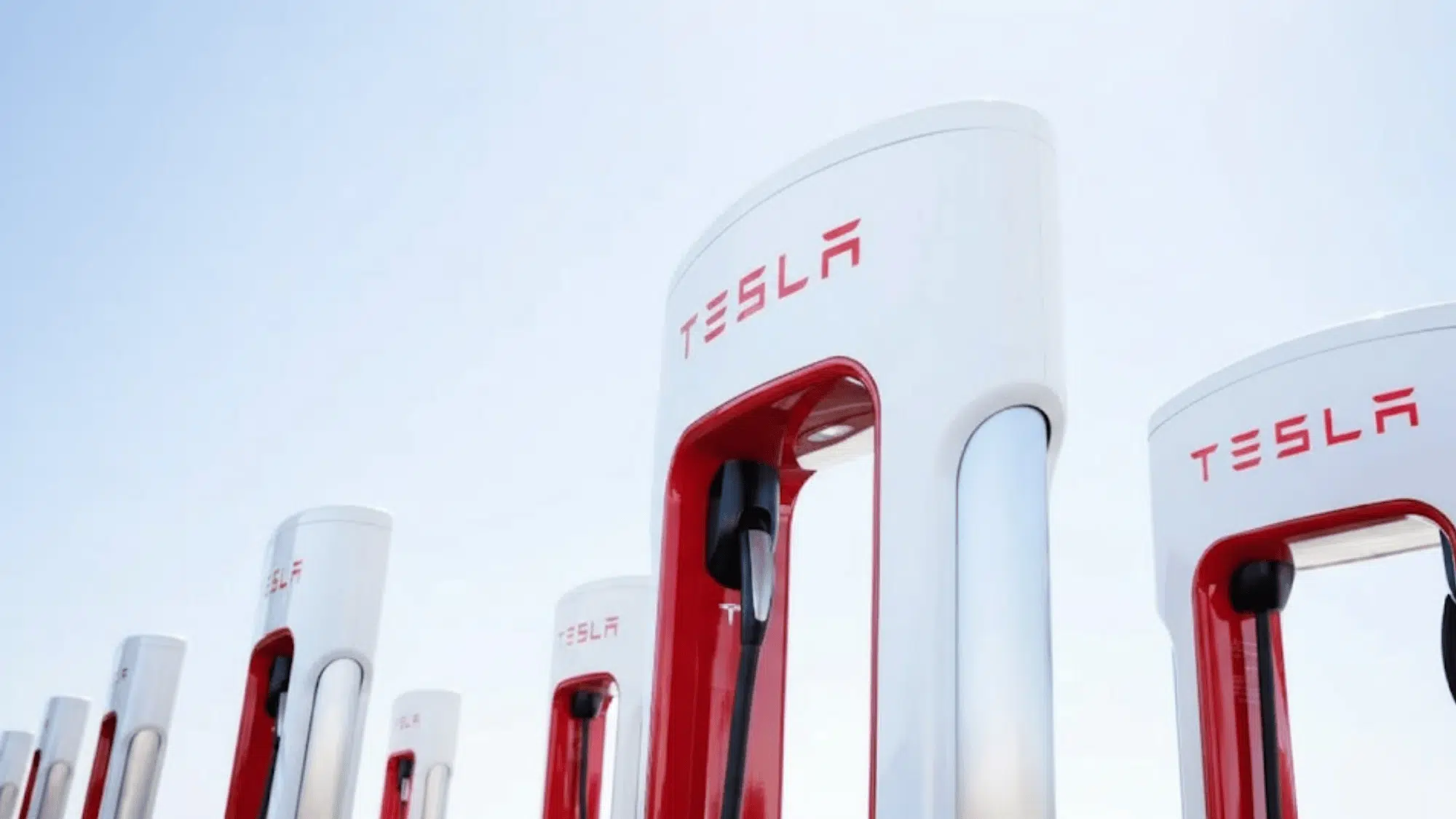
The onboard charger takes power from a wall outlet and converts it for the battery. It is built right into the car and works every time you plug in.
The charging speed depends on the type of charger you use. Picking the right setup makes a real difference in your day-to-day EV experience.
| Charging Type | Power Level | Charge Time | Cost | Best For |
|---|---|---|---|---|
| Level 1 | 1.4 kW | 20–40 hours | $0–$100 | Overnight home charging |
| Level 2 | 7–19 kW | 4–10 hours | $500–$2,000 | Daily home or workplace charging |
| DC Fast Charging | 50–350 kW | 20–60 minutes | $10,000–$50,000 | Long trips and quick top-ups |
Fact: DC fast chargers can add up to 100 miles of range in just 20 to 30 minutes of charging.
5. Regenerative Braking System
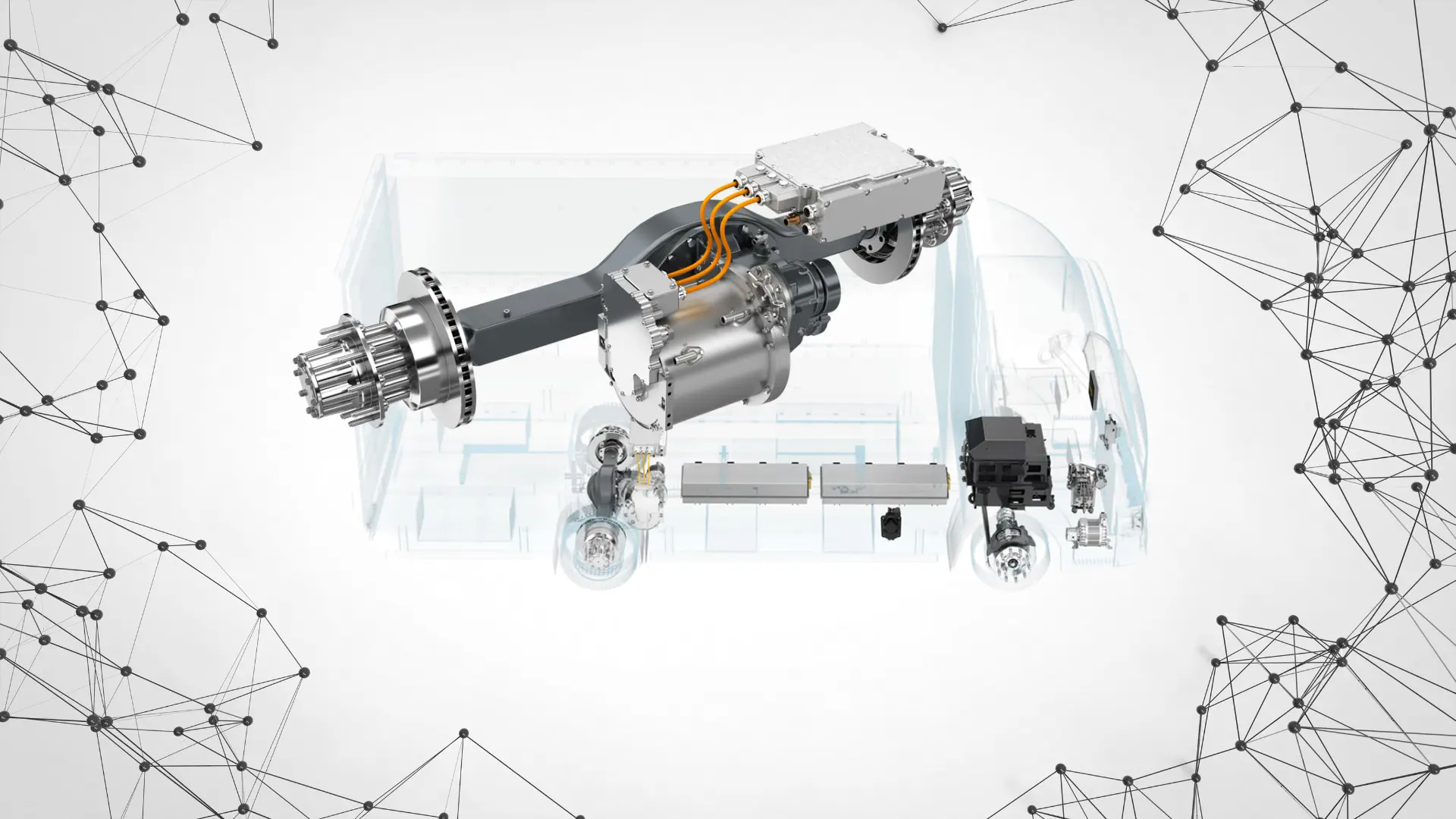
When you slow down in an EV, the car does not just waste that energy. Instead, it captures it and sends it back to the battery.
The motor switches roles and acts like a generator during braking. It is a smart way to get more miles out of every charge without doing anything extra.
Fact: Regenerative braking can recover up to 70% of the energy that would otherwise be lost during braking.
6. Thermal Management System
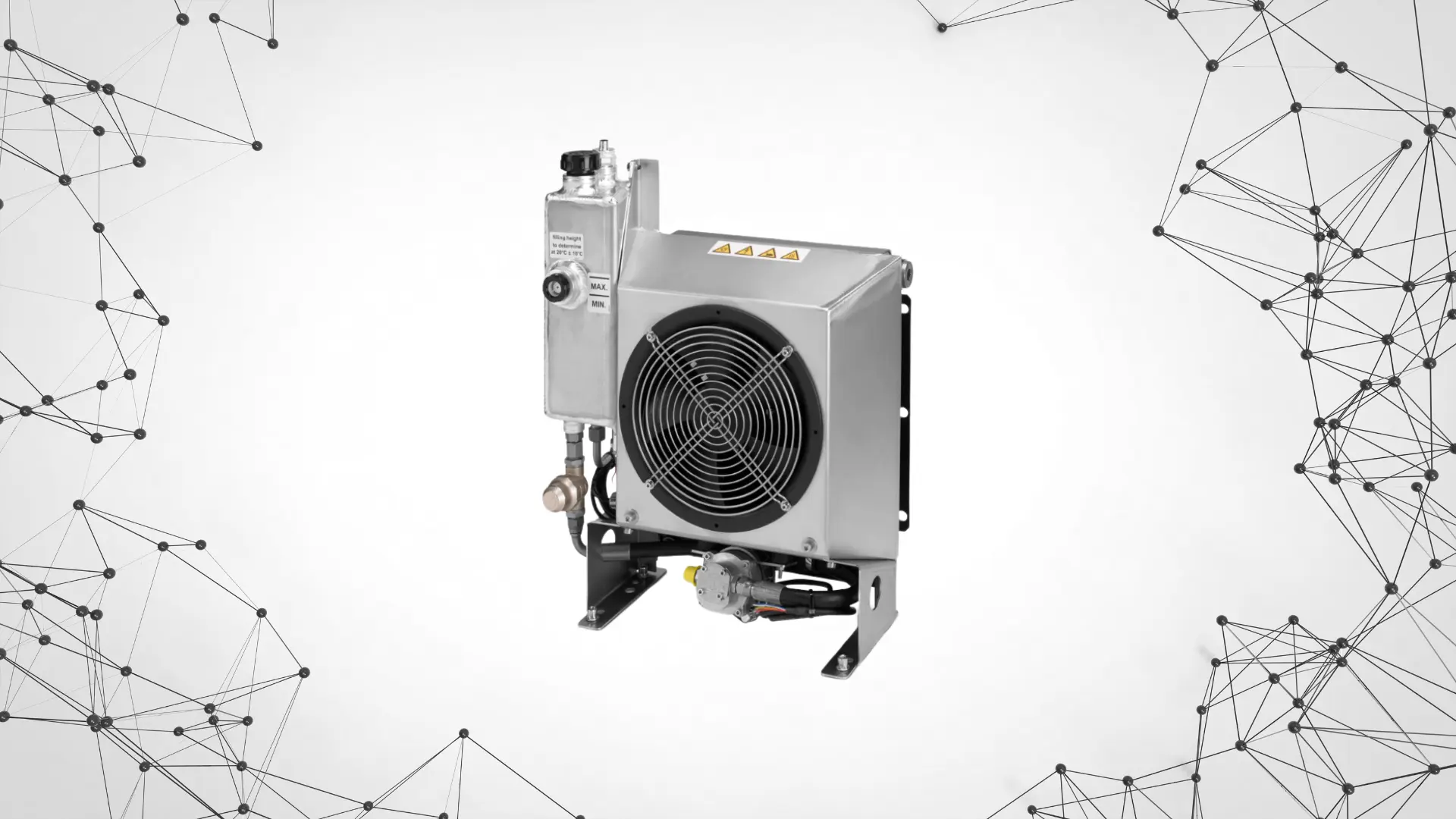
Batteries and motors do not like extreme heat or cold. The thermal management system keeps everything at the right temperature at all times. It works quietly in the background to protect key components.
Without it, parts could overheat or lose performance fast. It plays a big role in keeping the whole car reliable.
| Component | Function | Works Best In | Cost | Impact on Battery |
|---|---|---|---|---|
| Cooling Liquid | Absorbs and carries heat away | Hot climates | $200–$600 | Prevents overheating damage |
| Fans | Push cool air through key parts | Mild climates | $50–$200 | Maintains safe operating temps |
| Heat Exchangers | Transfer heat out of the system | All climates | $300–$800 | Extends overall battery lifespan |
Fact: Keeping a battery between 60°F and 80°F can extend its overall lifespan by several years.
7. Power Electronics and Control Systems
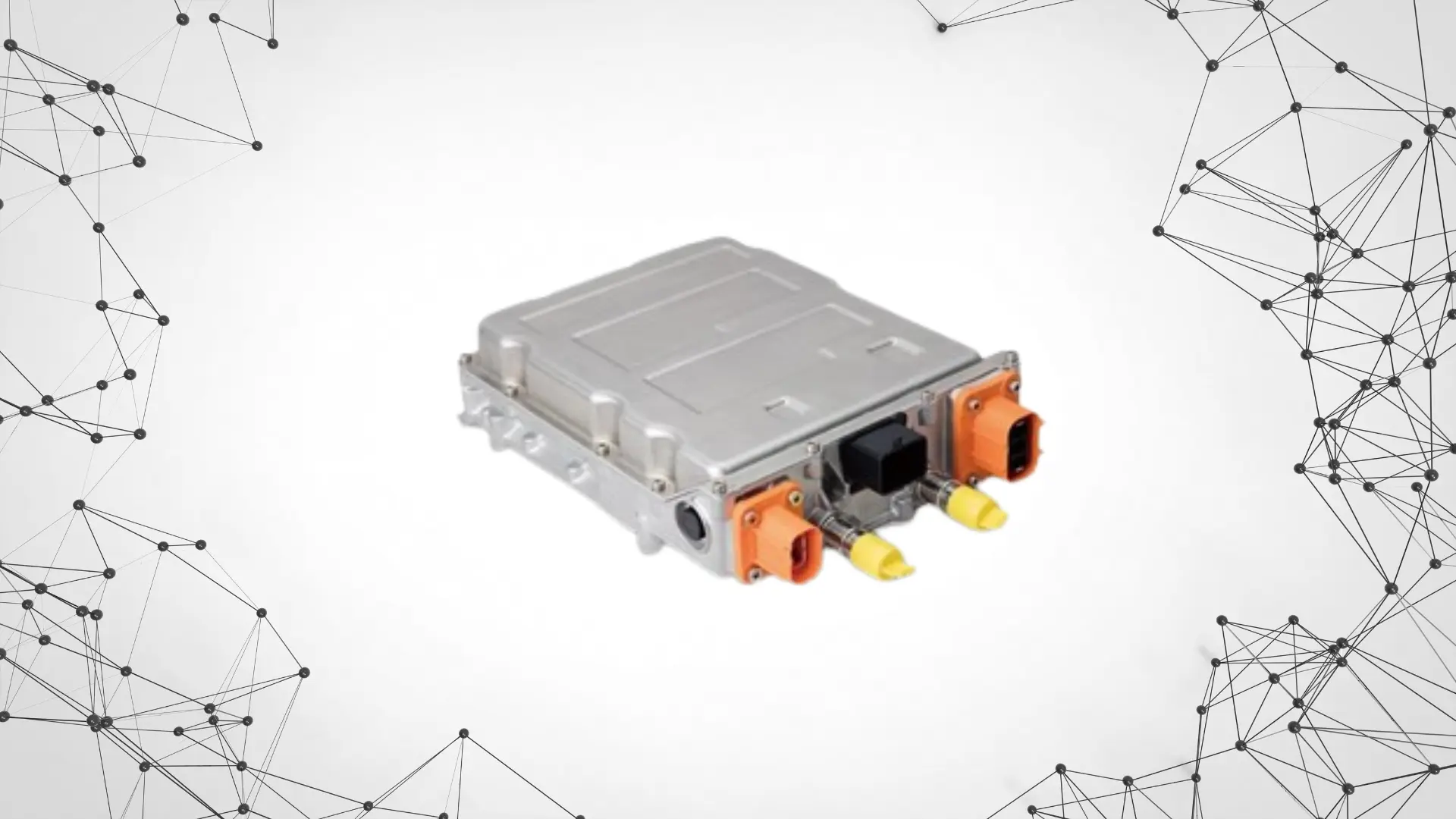
This system acts like the brain of the EV. It determines how power is distributed throughout the car at all times. It keeps smaller systems like lights and screens running smoothly, too.
Everything works together to avoid wasting energy. It is what keeps the car performing well, whether you are on a highway or stuck in traffic.
Fact: Power control units can improve overall vehicle efficiency by up to 10% through smarter energy distribution decisions.
8. Transmission
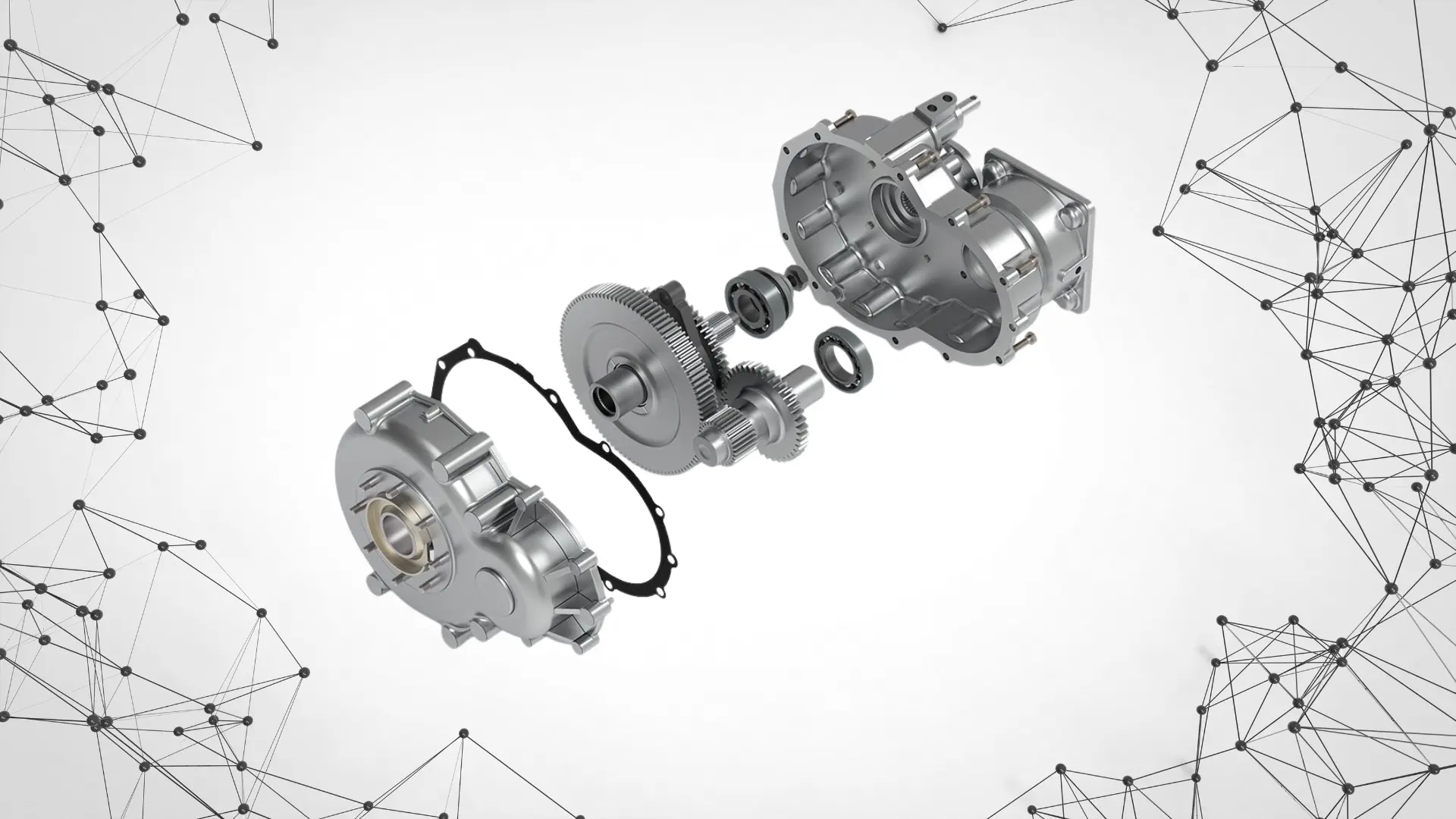
EVs keep things very simple when it comes to transmission. The motor delivers power smoothly across all speeds on its own.
No gear shifting is needed at any point. Power flows directly from the motor to the wheels. This makes the drive feel seamless and keeps long-term maintenance needs very low.
| Type | Number of Gears | Smoothness | Cost | Best For |
|---|---|---|---|---|
| Single-speed Transmission | 1 | Very smooth | $500–$1,500 | Most everyday EVs |
| Multi-speed Gearbox | 2 or more | Moderate | $2,000–$5,000 | High-performance EVs need top speed |
Fact: Single-speed transmissions in EVs have far fewer moving parts than traditional gearboxes, reducing long-term maintenance costs.
Note: Prices mentioned above are estimates only and may vary depending on your region, provider, and installation requirements.
How Do These Components Work Together?
Every part of an EV has a job, but no part works alone. They all connect and communicate to keep the car running smoothly. When you press the accelerator, the battery sends power to the inverter right away.
The inverter then converts it and passes it to the motor. The motor spins and moves the wheels. When you brake, energy flows back into the battery.
Software running in the background manages all of this instantly. It monitors every component and makes small adjustments all the time.
This teamwork between hardware and software is what makes EVs so efficient and reliable every single day.
Real-World Examples of EV Systems
To truly understand how electric vehicles work, it helps to look at real models. Let’s break down how different EV systems come together in some well-known cars. These examples show how brands use parts differently to improve performance, safety, and efficiency:
Tesla Model Y
The Tesla Model Y uses a fully electric system with a large lithium-ion battery pack placed under the floor. This design gives the car a low center of gravity, which helps with balance and handling.
Key components in the Model Y include:
- Permanent magnet electric motor for fast response
- Large battery (75–82 kWh) for over 300 miles of range
- Inverter and power electronics are built into a compact unit
- Single-speed transmission for smooth acceleration
- Advanced software control that updates over-the-air
Tesla also uses aluminum to reduce weight and includes regenerative braking to improve energy use during stops.
Hyundai Ioniq 5
The Hyundai Ioniq 5 is built on the E-GMP platform , made just for EVs. Its layout is simple and clean, which allows for a spacious interior and flexible battery options.
Core features include:
- Electric motor in rear-wheel or all-wheel-drive setups
- 58 or 77.4 kWh battery pack, depending on trim
- 800V fast-charging system (adds ~60 miles in 5 minutes)
- Flat battery design across the floor of the car
- Bidirectional charging (V2L) to power small devices
The Ioniq 5 also focuses on recycled materials , like eco-fabric seats and bio-paint on surfaces, which supports sustainability.
BYD Blade Battery
BYD’s Blade Battery is a unique type of lithium iron phosphate (LFP) battery that’s made for safety and long life. It’s used in cars like the BYD Han and Dolphin.
Key traits of the Blade Battery:
- Thin, long cells packed tightly for better space use
- More stable under heat, resists catching fire even when punctured
- Good cycle life, lasting thousands of charges
- Lower cost than other EV batteries
- Less cobalt, making it easier on the environment
This battery shows how EV tech is changing to improve both safety and cost without giving up performance.
Future Trends to Watch
Electric vehicles keep getting smarter, safer, and more efficient. Solid-state batteries are replacing liquid ones, offering longer range, faster charging, and greater safety. Improved cathodes also help batteries charge in minutes instead of hours.
Automakers are adopting cell-to-chassis designs, where battery cells are built directly into the frame, reducing weight and boosting strength. Simplified packs make cooling and repairs easier, too.
Wireless and automated charging systems are also on the rise, allowing EVs to recharge simply by parking over a pad or using robotic connectors. These advances make charging effortless, especially for fleets.
Meanwhile, new thermal materials, coolants, and sealing methods keep batteries at the right temperature and protect them from the elements and wear.
Together, these trends point to a future where EVs are more convenient, durable, and efficient, bringing us closer to clean, connected driving for everyone.
What Can Go Wrong with EV Parts and How to Fix It
EVs are simpler than gas cars, but they still need some care to stay in great shape. Knowing what to watch out for can save you time, money, and stress down the road:
| Issue | Cause | Fix | Check Frequency |
|---|---|---|---|
| Battery Degradation | Frequent fast charging and extreme temperatures | Keep charge between 20% and 80% daily | Every 6 months |
| Overheating Motors | Hard driving in hot weather | Avoid pushing hard in extreme heat | Every 12 months |
| Regenerative Braking Wear | Gradual wear on small components | Schedule a quick brake inspection | Every 12 months |
| Software Glitches | Outdated software across components | Update car software regularly | As updates release |
| Thermal Management Failure | Failing cooling system components | Check coolant levels and heat exchangers | Every 6 months |
Staying on top of these small things makes a big difference in the long run. A little regular attention keeps your EV running smoothly for many years to come.
Summing Up
Now I understand how electric vehicle components work, from the battery pack to the motor and all the core things in between.
Learning how each part connects helped me see why EVs are not just cleaner, but also simpler to maintain and smarter in design.
Now it’s your turn. Think about how this knowledge might help you, maybe when looking at EV options or just knowing how your car runs. One last reminder: every part plays a role, and together, they keep things running smoothly.
If this made things clearer for you, don’t stop here. There’s more to learn about EVs, their benefits, and how to care for them. Go check out other blogs on the website and keep studying smarter driving!