
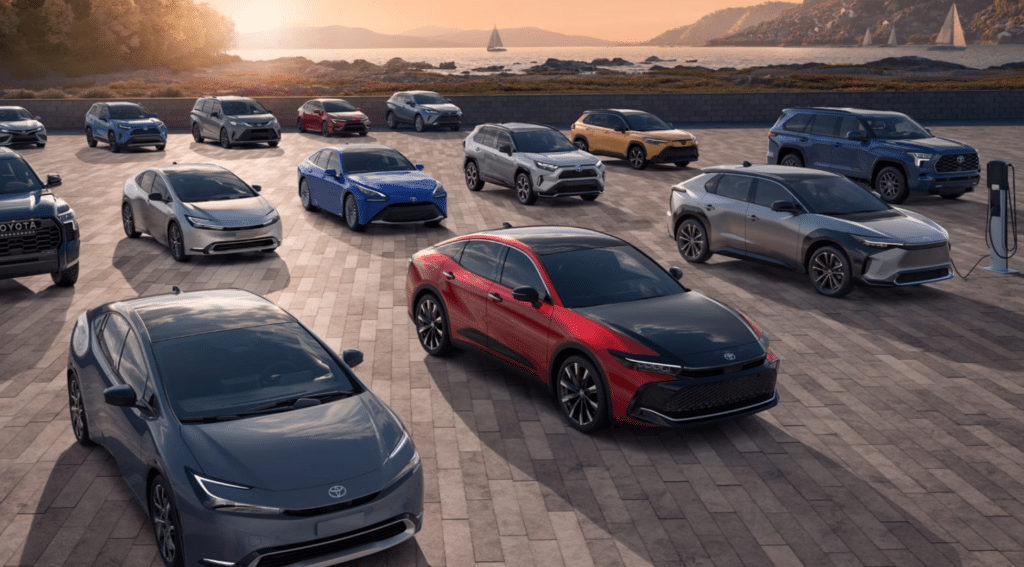
I’ve always been drawn to how far electric Toyota cars have come and how quickly they’re changing what driving feels like.
The mix of performance, efficiency, and quiet comfort makes them stand out in ways I didn’t expect.
Here, you’ll see what Toyota’s electric lineup really offers, from range and charging times to pricing and upcoming models. You’ll also learn how these vehicles compare in daily use and what to expect from Toyota’s push toward a more electric future.
By the end, you’ll have a clear sense of whether one of these cars fits your lifestyle and driving needs.
Inside Toyota’s Electric Vision
Toyota’s EV strategy focuses on long-term sustainability rather than rushing into trends. The company began its electrification journey with hybrids like the Prius in the late 1990s, proving an early commitment to reducing emissions.
Its timeline shows a gradual but steady move, from hybrid to plug-in hybrid, and now to fully electric models under the “Beyond Zero” (bZ) brand. “Beyond Zero” represents Toyota’s goal to go beyond carbon neutrality by designing vehicles that positively impact people and the planet.
While many automakers jumped straight into all-electric cars, Toyota took a slower path. The company’s focus on hybrid and EV efficiency has always been central to its strategy rather than an afterthought.
The delay wasn’t hesitation; it was a strategy. The company wanted to perfect battery safety, efficiency, and accessibility before scaling production globally.
Now, with models like the bZ4X and several new EVs in development, Toyota is ready to expand its electric lineup while continuing to balance innovation, reliability, and environmental responsibility.
Electric Toyota Cars You Can Buy
Toyota’s growing electric lineup blends everyday practicality with advanced technology. Here are the current and upcoming electric models:
1. Toyota bZ4X
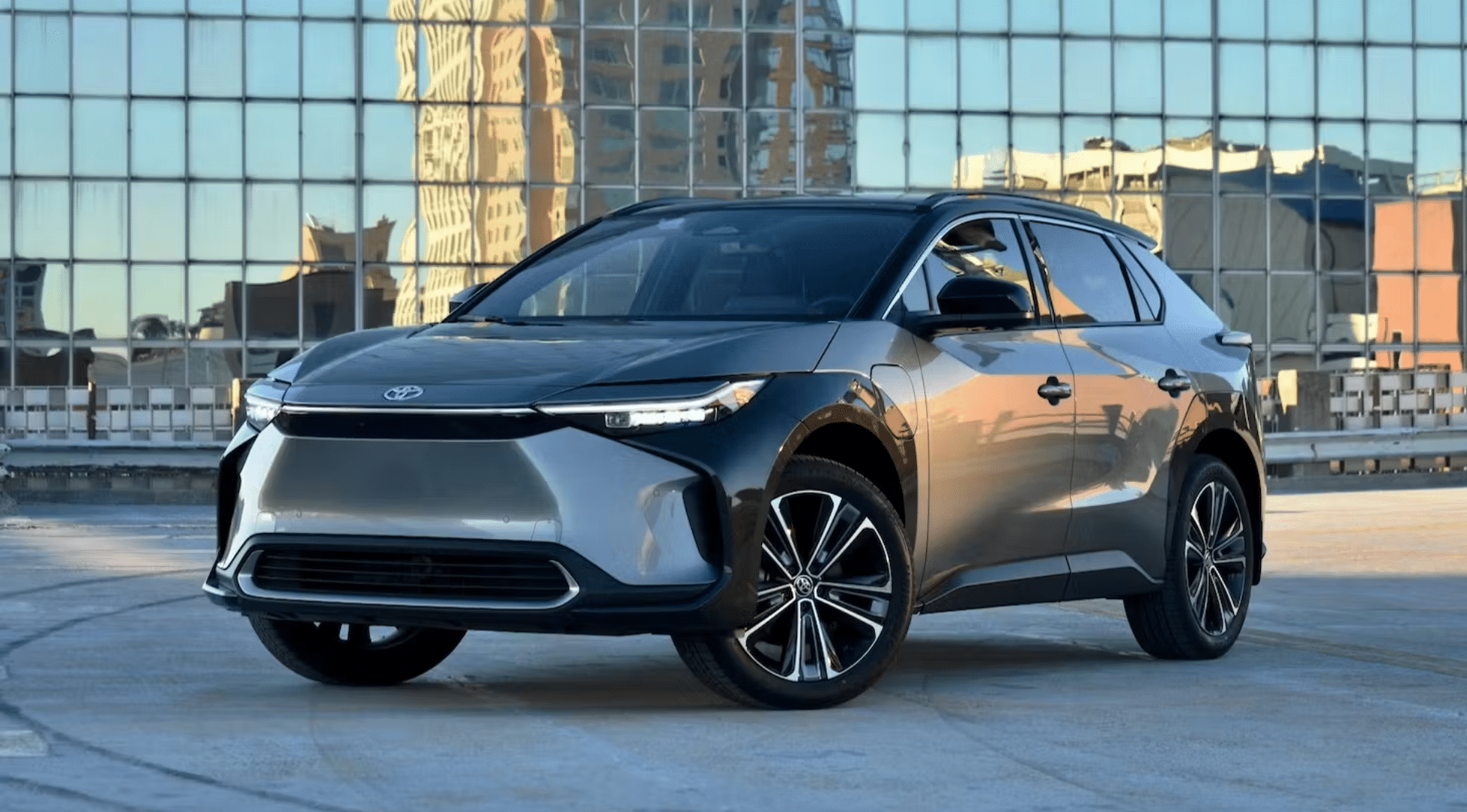
The bZ4X is Toyota’s first fully electric SUV, designed on the e-TNGA platform. It delivers up to 252 miles of rangewith 201–214 horsepower, depending on whether you choose front- or all-wheel drive.
Key features include a panoramic sunroof, 12.3-inch touchscreen, adaptive cruise control, and lane-tracing assist. The bZ4X supports DC fast chargingand is available in North America, Europe, and Asia.
- Customer Ratings: ★★★★☆ (4/5)
- Cost: $42,000 – $50,000
- Suitable For: Families, daily commuters, eco-conscious SUV buyers
2. Toyota bZ3
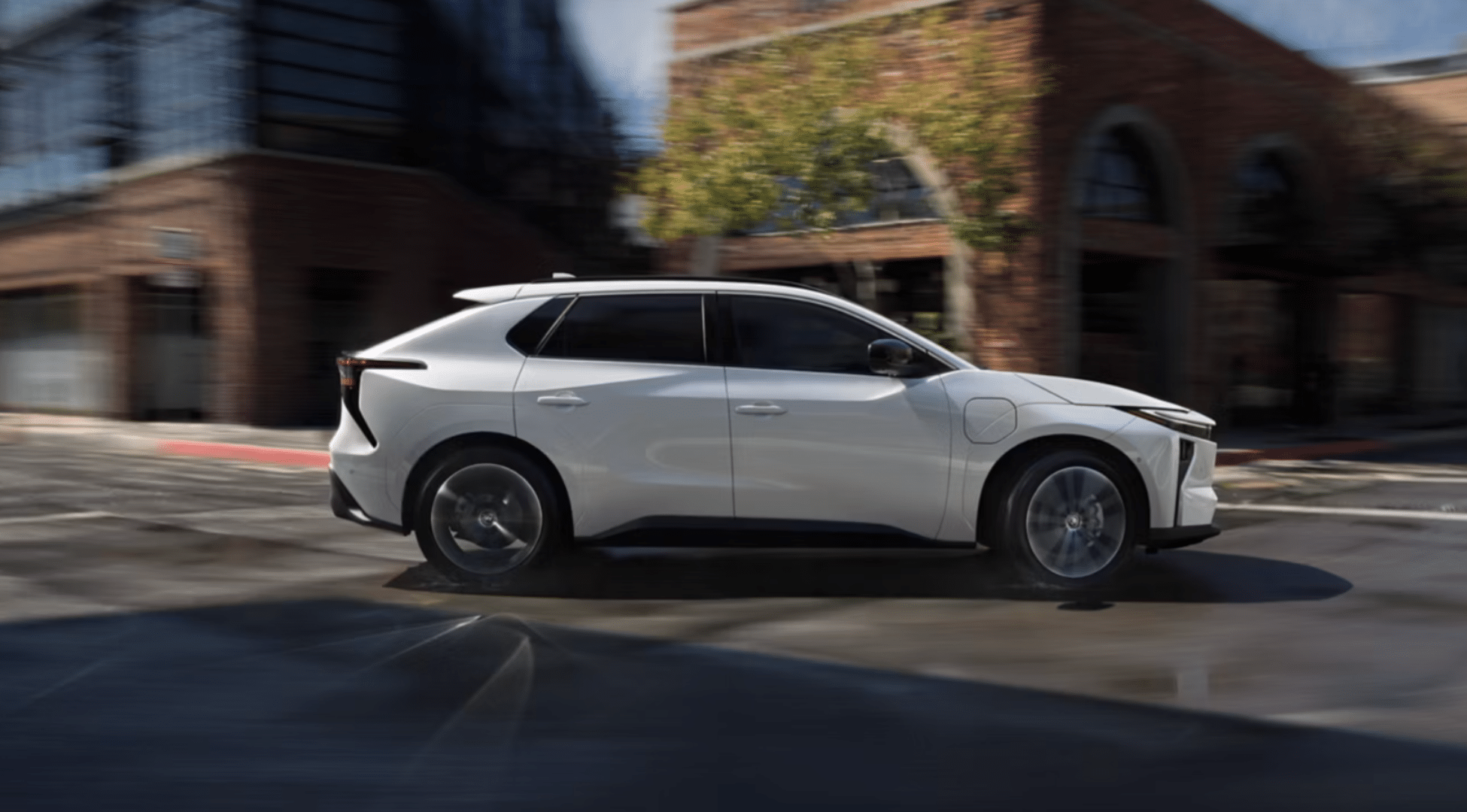
The bZ3 is a midsize electric sedan created with BYD battery technology, offering around 370 miles of range (CLTC-rated) and up to 180 horsepower. It focuses on efficiency, cabin comfort, and low running costs.
Features include a digital cockpit, wireless phone integration, and advanced Toyota Safety Sense technology. It’s currently available in select global markets such as China.
- Customer Ratings: ★★★★☆ (4/5)
- Cost: $28,000 – $35,000
- Suitable For: Budget-conscious buyers, city drivers, sedan lovers
3. Toyota bZ Compact SUV Concept
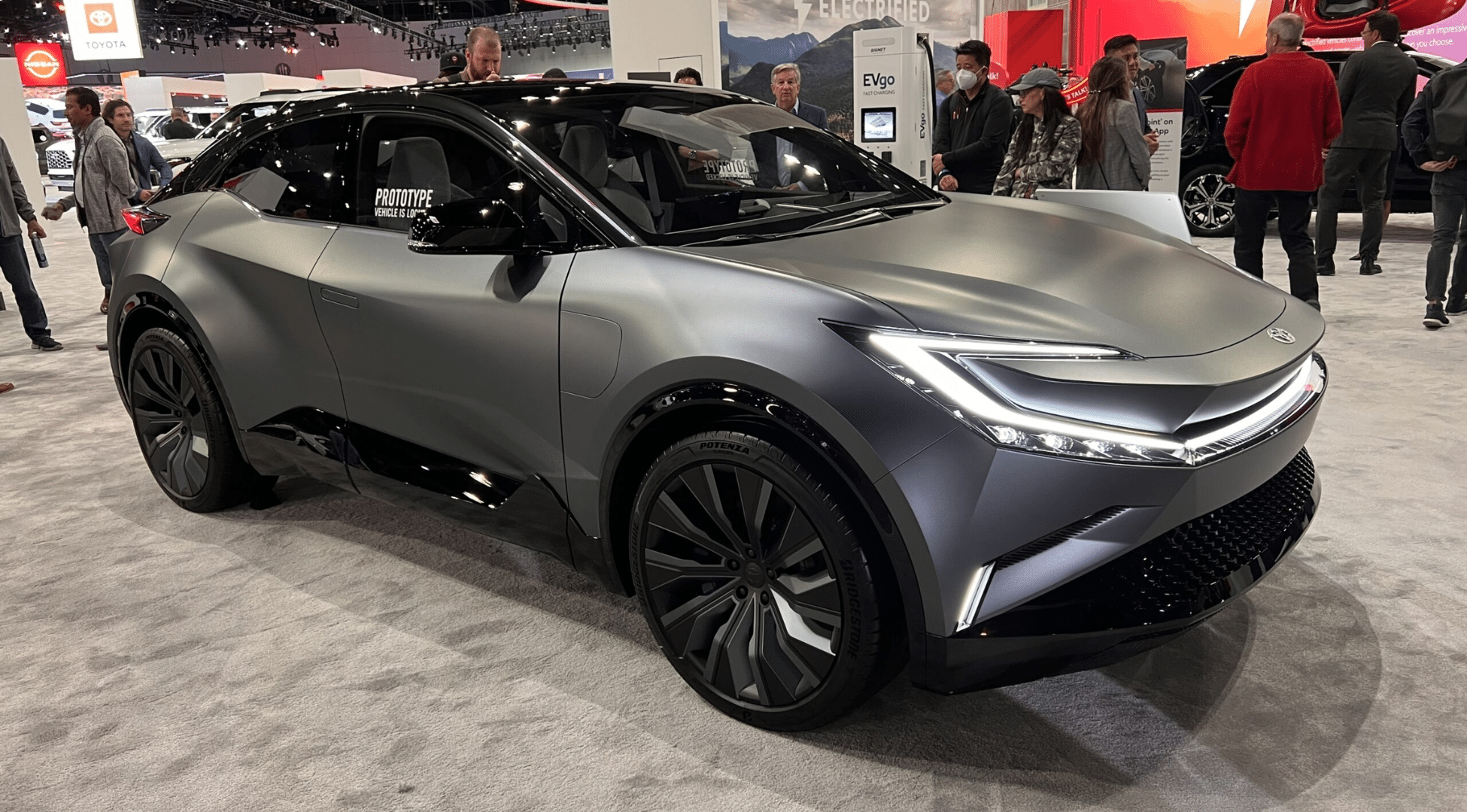
This model previews Toyota’s next-gen EV design, combining sporty aerodynamics with sustainable interior materials and an AI-powered personal assistant.
Specifications are still under wraps, but it’s expected to offer strong performance and mid-size versatility. The production version is projected to arrive between 2025 and 2026.
- Customer Ratings: ★★★★☆ (4/5)
- Cost: $35,000 – $45,000 (estimated)
- Suitable For: Tech enthusiasts, young professionals, urban drivers
4. Toyota Proace Electric and Proace City Electric
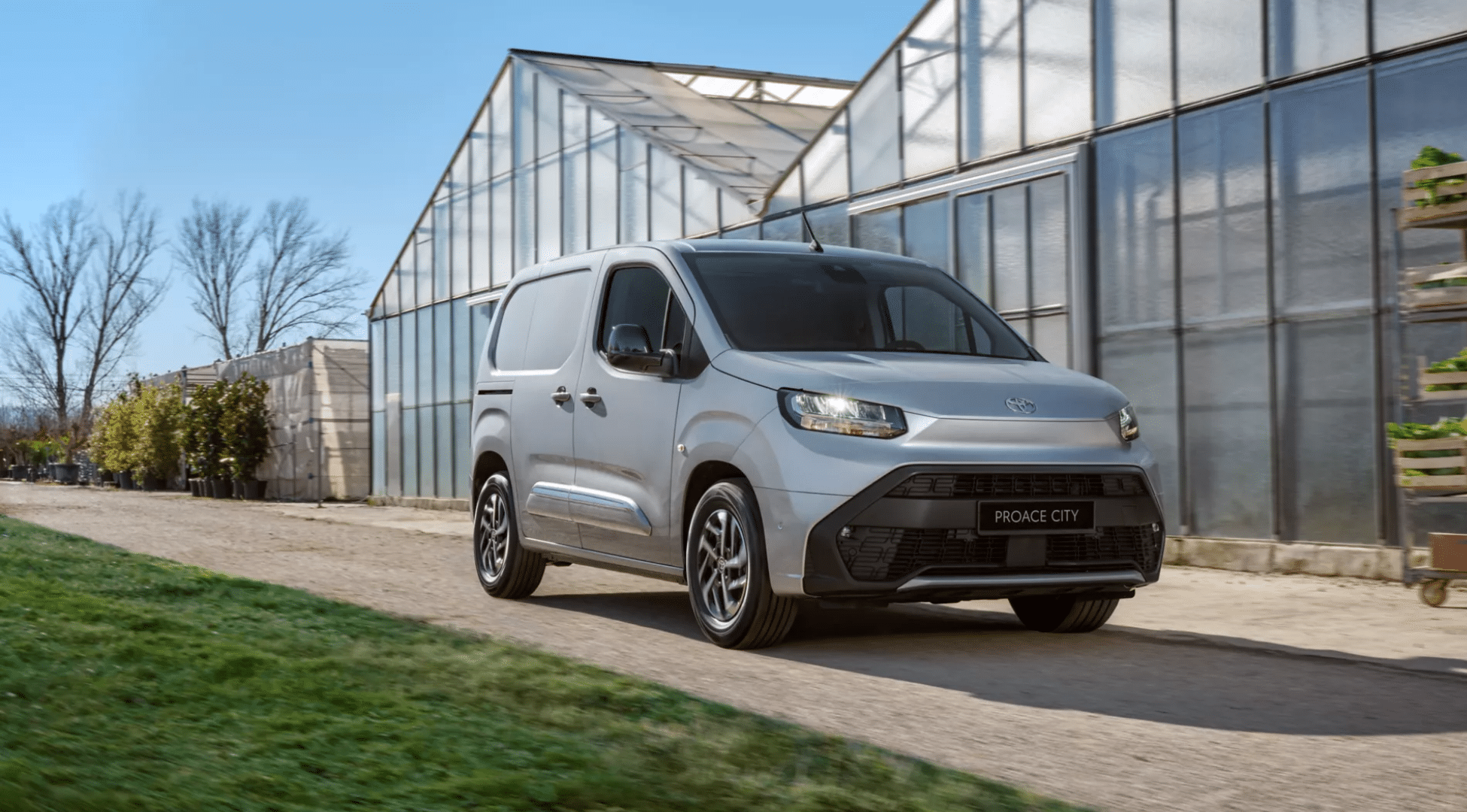
Built for commercial use, these electric vans combine power and practicality. The Proace Electric delivers up to 205 miles of range, while the Proace City Electric offers around 170 miles.
Both support 100 kW fast charging, multiple cargo sizes, and advanced safety and driver-assist features. They’re available mainly across European markets for business and fleet customers.
- Customer Ratings: ★★★★☆ (4/5)
- Cost: $45,000 – $65,000
- Suitable For: Business owners, fleet operators, commercial users
5. Toyota bZ5X
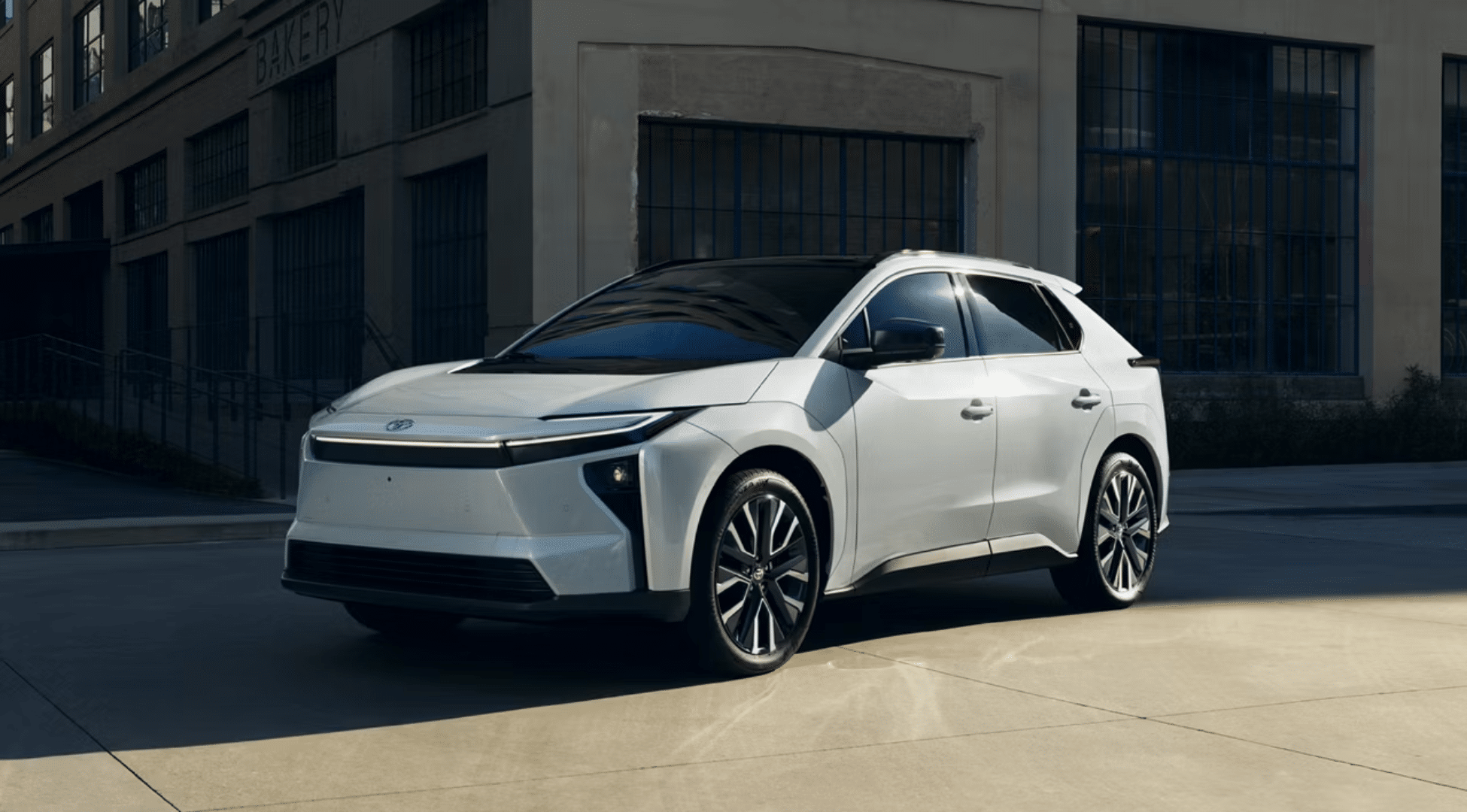
Expected to join Toyota’s EV family soon, the bZ5X will be a three-row SUV with all-wheel drive and a larger battery pack for long-distance travel.
Early details suggest enhanced cabin space, premium tech features, and improved range and performance. The model is expected to debut globally in 2025.
- Customer Ratings: ★★★★☆ (4/5)
- Cost: $50,000 – $60,000 (estimated)
- Suitable For: Large families, long-distance travelers, premium SUV buyers
Toyota Hybrid and Plug-In Hybrid Models
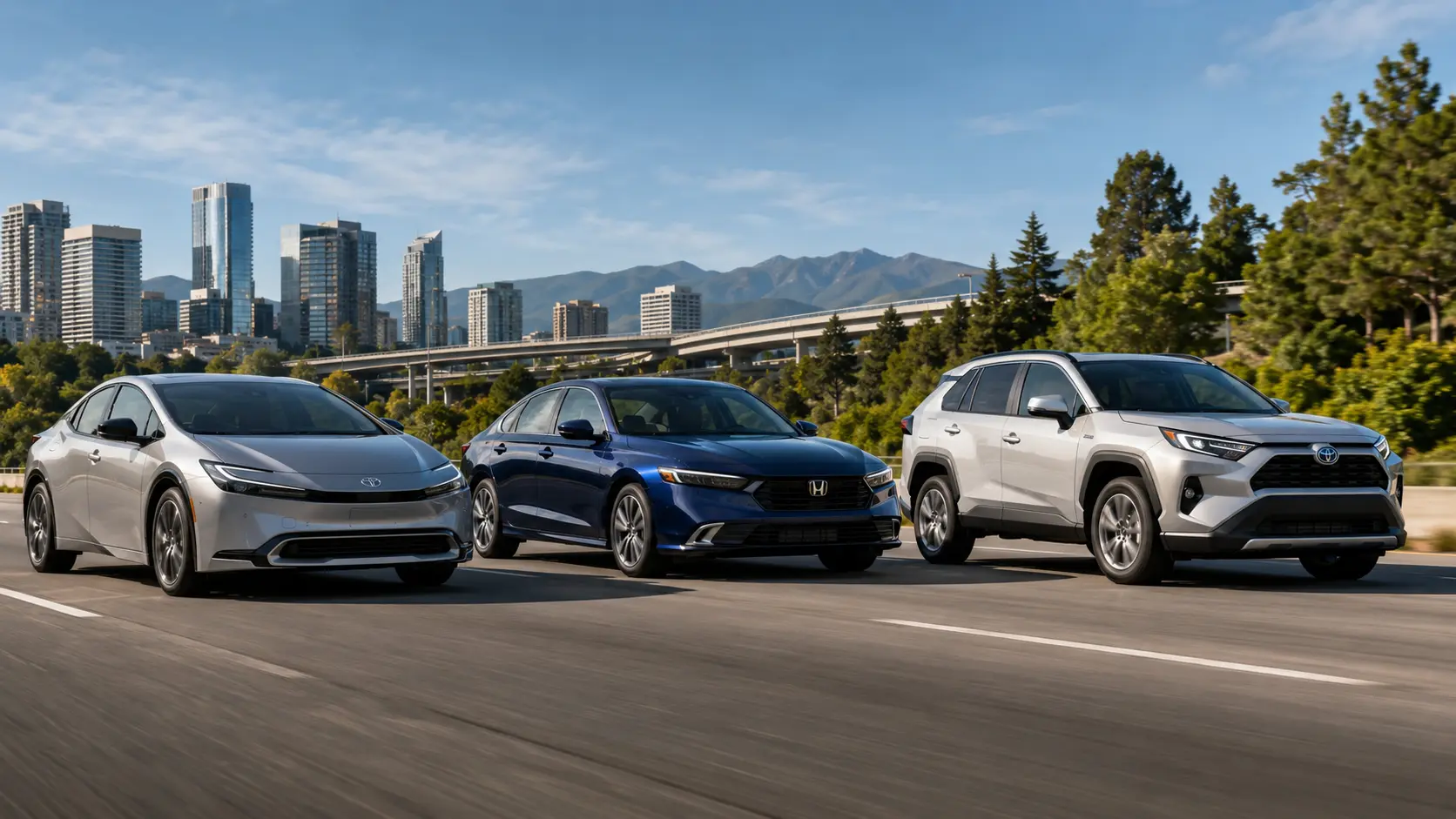
Toyota continues to lead in hybrid technology, offering models that bridge the gap between gas and electric power. These options deliver great fuel efficiency and lower emissions while maintaining the brand’s trademark dependability:
6. Toyota Prius and Prius Prime
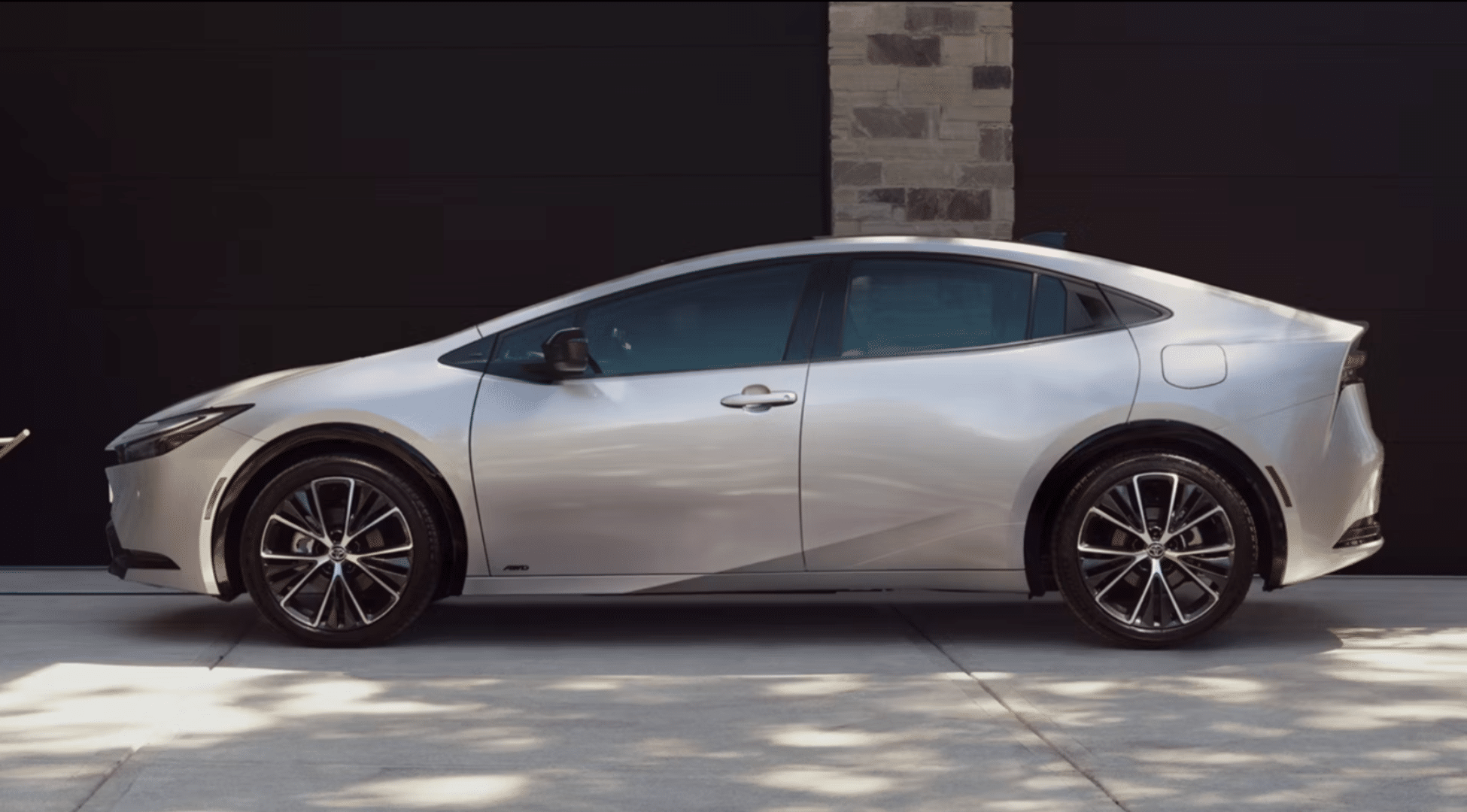
The Prius offers top-tier fuel efficiency and a smooth drive with its 2.0L hybrid engine, producing up to 196 horsepower. The Prius Prime, Toyota’s plug-in version, adds 44 miles of EV-only range and up to 220 horsepower.
Features include heated seats, a large touchscreen display, and Toyota Safety Sense 3.0. Both are widely available worldwide.
- Customer Ratings: ★★★★★ (5/5)
- Cost: $28,000 – $38,000
- Suitable For: Eco-conscious drivers, daily commuters, fuel efficiency seekers
7. Toyota RAV4 Hybrid and RAV4 Prime
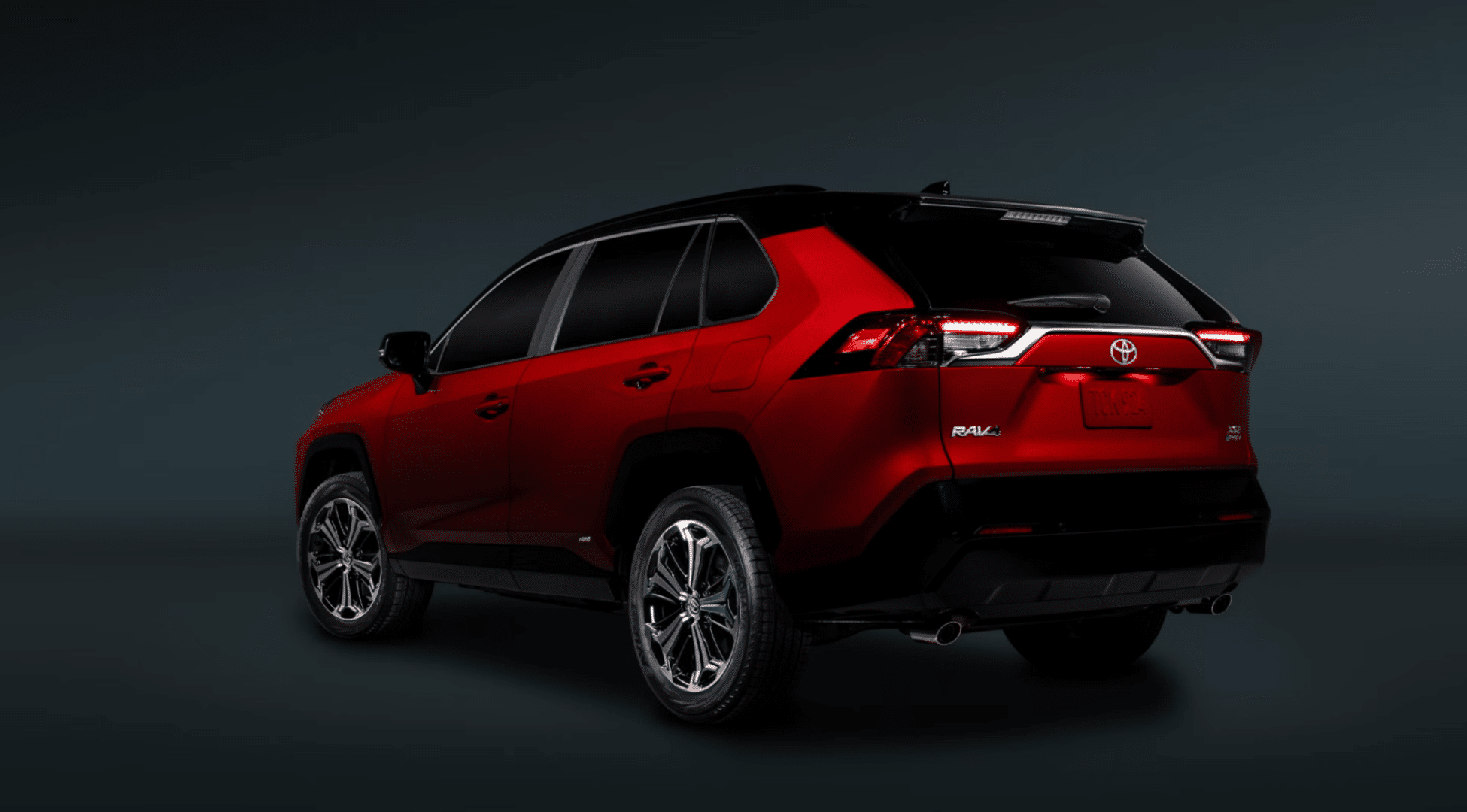
The RAV4 Hybrid pairs a 2.5L engine with two electric motors, delivering 219 combined horsepower and excellent MPG ratings. The RAV4 Prime, a plug-in version, offers 42 miles of electric range and a powerful 302-horsepower setup.
Features include AWD, smart connectivity, and ample cargo space. Both are available globally and remain Toyota’s best-selling hybrids.
- Customer Ratings: ★★★★★ (5/5)
- Cost: $32,000 – $45,000
- Suitable For: Families, outdoor enthusiasts, all-weather drivers
8. Toyota Highlander Hybrid
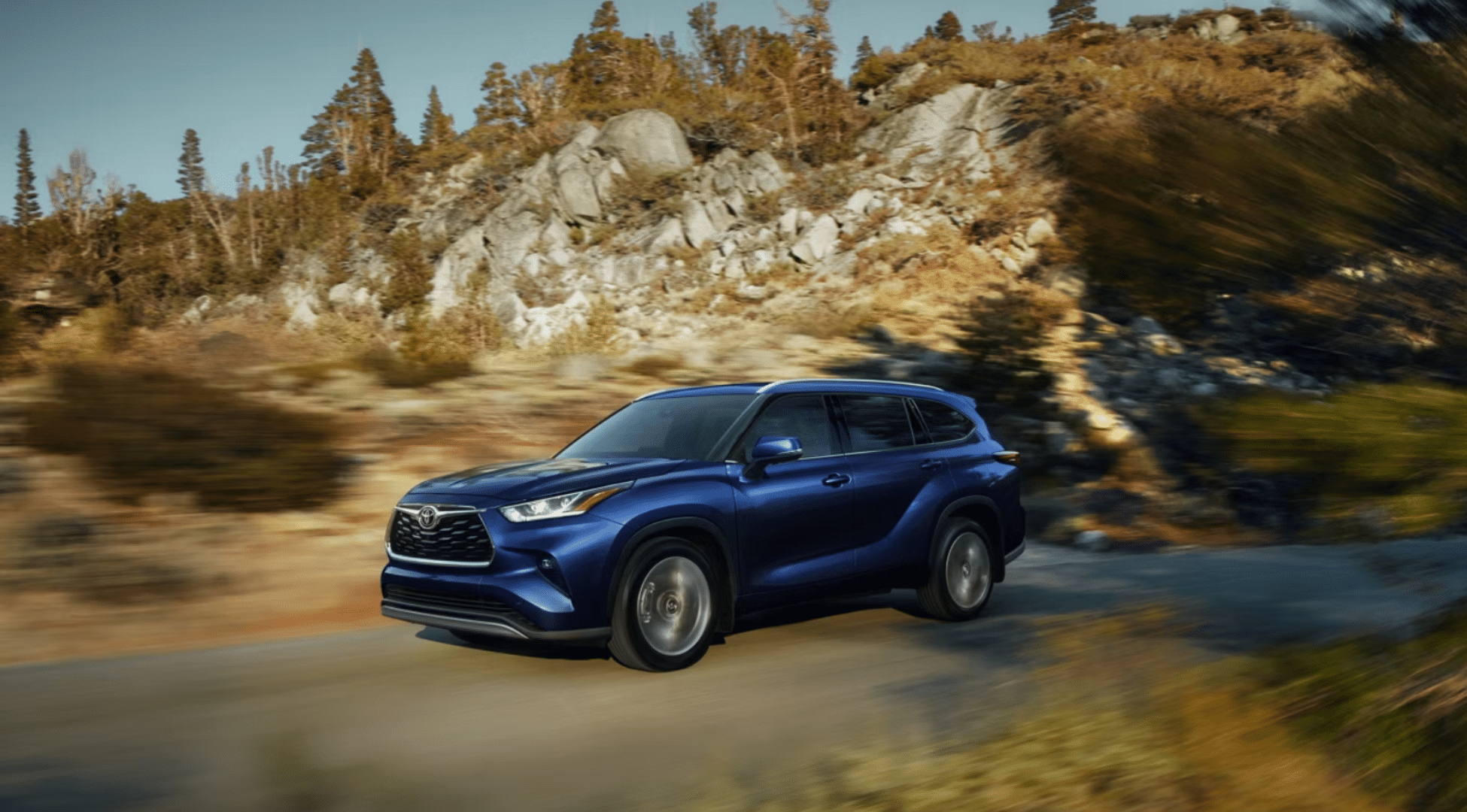
This large SUV blends strength and efficiency, offering 243 combined horsepower and up to 36 MPG combined.
Features include three rows of seating, a 12.3-inch touchscreen, and multiple drive modes. It’s available globally, ideal for families needing both power and space.
- Customer Ratings: ★★★★☆ (4/5)
- Cost: $42,000 – $55,000
- Suitable For: Large families, road trippers, multi-passenger travelers
9. Toyota Camry Hybrid and Corolla Hybrid
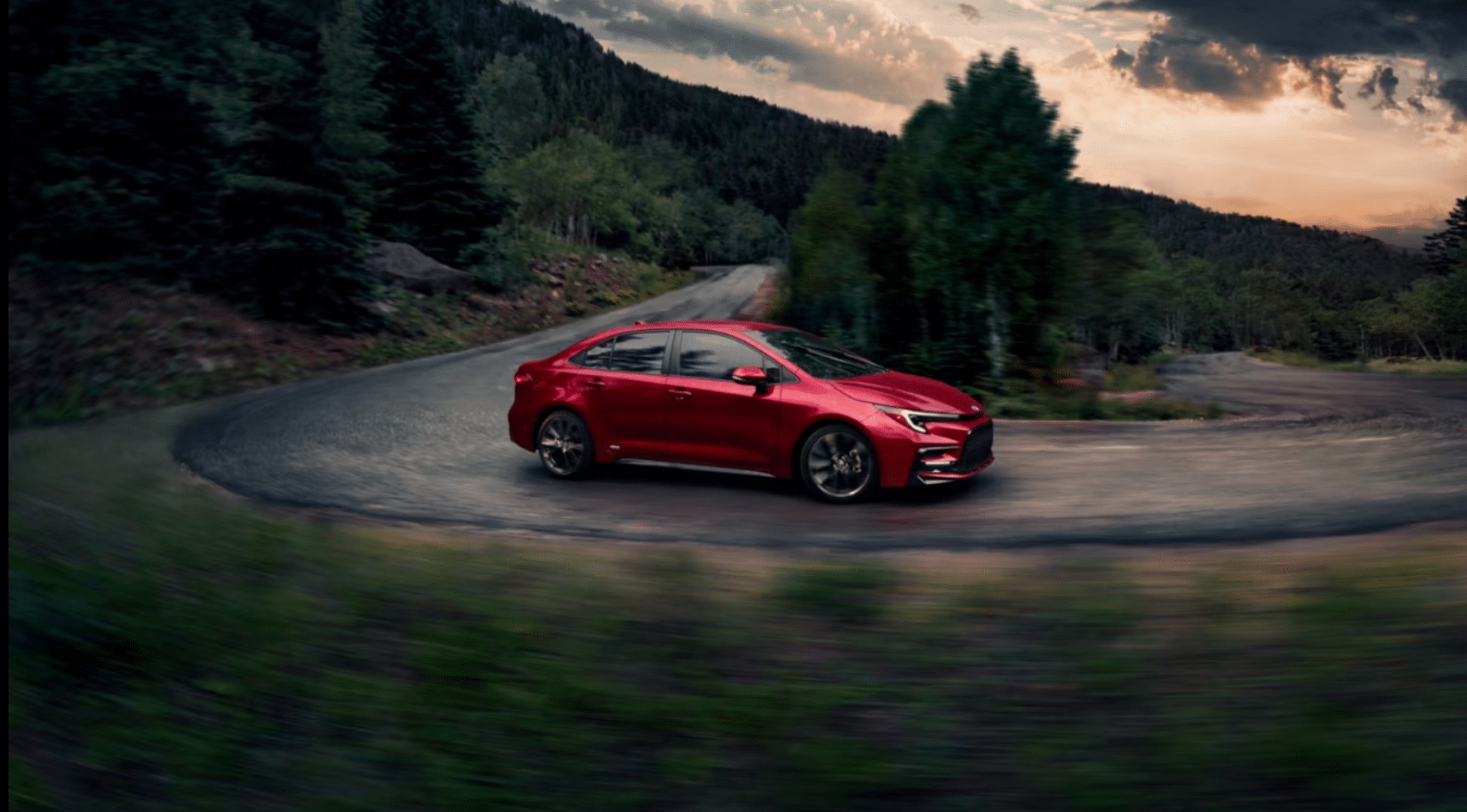
The Camry Hybrid brings comfort and performance together with 208 horsepower, EPA ratings up to 52 MPG combined, and available sport and eco drive modes. Standard features include dual-zone climate control, Apple CarPlay, and Toyota Safety Sense 2.5+. It’s available in most global markets.
Compact and efficient, the Corolla Hybrid produces 138 horsepower and achieves up to 52 MPG combined. It includes smart key access, LED headlights, and available all-wheel drive. The model is accessible in most regions worldwide and is one of Toyota’s most affordable hybrid options.
- Customer Ratings: ★★★★★ (5/5)
- Cost: $26,000 – $38,000
- Suitable For: Daily commuters, first-time hybrid buyers, budget-friendly sedan seekers
Note: All listed costs for Toyota EVs and hybrids are estimates and may vary by region, trim, taxes, and incentives.
Side-by-Side Look at Toyota’s Electric and Hybrid Models
Toyota’s lineup includes both hybrid and fully electric options, each built for different driving needs. Here’s how they compare side by side:
| Model | Type | Electric Range (Miles) | Power Output | Drivetrain | Availability |
|---|---|---|---|---|---|
| bZ4X | All-Electric | Up to 252 | 201–214 hp | FWD / AWD | Global |
| bZ3 | All-Electric | ~370 (CLTC) | ~180 hp | FWD | Select Markets |
| bZ Compact SUV | Concept EV | TBD | TBD | TBD | Expected 2025–2026 |
| Proace Electric | All-Electric | 205 | N/A | FWD | Europe |
| Proace City Electric | All-Electric | 170 | N/A | FWD | Europe |
| bZ5X | All-Electric (Upcoming) | TBD | TBD | AWD | Expected 2025 |
| Prius Prime | Plug-In Hybrid | 44 (EV Mode) | 220 hp | FWD | Global |
| RAV4 Prime | Plug-In Hybrid | 42 (EV Mode) | 302 hp | AWD | Global |
| RAV4 Hybrid | Hybrid | N/A | 219 hp | AWD | Global |
| Highlander Hybrid | Hybrid | N/A | 243 hp | AWD | Global |
| Camry Hybrid | Hybrid | N/A | 208 hp | FWD | Global |
| Corolla Hybrid | Hybrid | N/A | 138 hp | FWD / AWD | Global |
As you can see, each model brings something different to the table. The right choice depends on your driving habits, budget, and how much you value fuel savings versus full electric capability.
Toyota EV Buying Guide
Buying a Toyota EV, new or used, depends heavily on where you live. Availability changes by state and region models like the bZ4X are easier to find in places with strong charging networks and zero-emission programs, such as California, Washington, and New York.
In other areas, supply can be limited, so it’s smart to contact multiple dealerships or join a waiting list early. When ordering a new Toyota EV, expect a lead time of several weeks to a few months, depending on production and shipping.
Dealers can update you on trim levels, incentives, and financing options. For used EVs, check certified pre-owned programs to confirm battery health and warranty coverage. Staying flexible and patient will help you find the right Toyota EV at a fair price.
Charging Toyota EVs: Everything You Need to Know
Charging your Toyota EV can be simple once you understand your options. Here’s a breakdown of home and public charging setups, along with a quick guide on how long each model typically takes to charge:
Home Charging Setup
Level 1 vs Level 2: Level 1 charging uses a standard 120V household outlet and adds about 3–5 miles of range per hour—best for overnight top-ups. Level 2 chargers use a 240V outlet and add 20–25 miles per hour, ideal for daily use.
Estimated Costs: Installing a Level 2 charger typically costs $800–$1,500, depending on your home’s electrical setup. Charging costs vary by region but average $0.04–$0.06 per mile at home.
Toyota’s Home Charger Options: Toyota offers an official Level 2 home charging unit compatible with the bZ4X and upcoming bZ models. It can be purchased through dealers or certified installers and connects to Toyota’s charging app for tracking energy use.
Public Charging
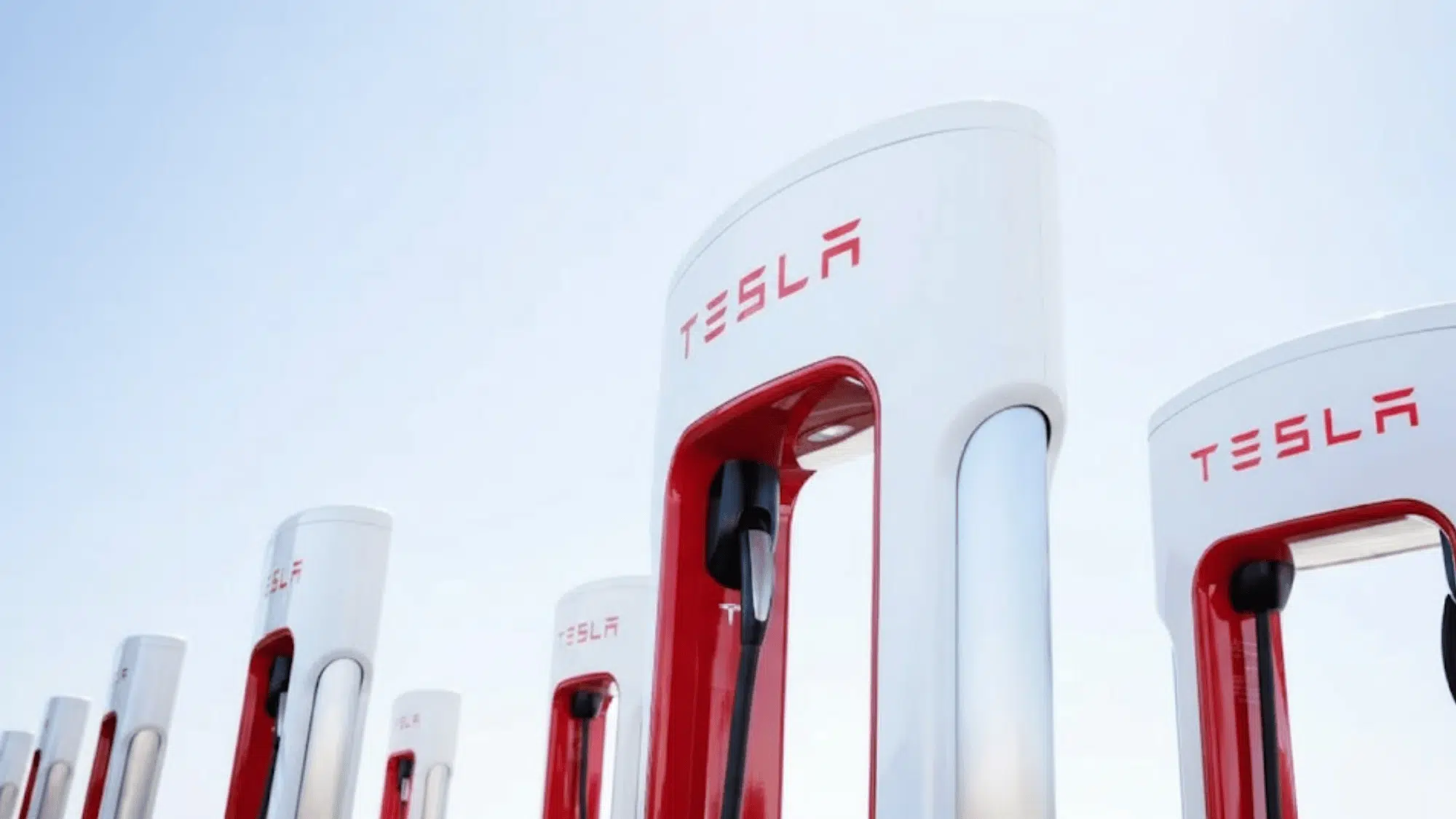
Toyota EVs use the CCS (Combined Charging System) plug, compatible with major networks like Electrify America, ChargePoint, EVgo, and Blink. Many public stations support DC fast charging, adding up to 80% charge in about 30 minutes.
Toyota drivers can find and monitor charging stations through apps like Toyota App, ChargePoint, and Electrify America. These apps show real-time charger availability, pricing, and estimated charge time.
Charging Time by Model
Charging times depend on battery size, charger type, and temperature. Colder weather can slow charging, while larger batteries take longer to fill.
| Model | Battery Size | Level 2 (240V) | DC Fast Charge (10–80%) |
|---|---|---|---|
| bZ4X (FWD) | 71.4 kWh | ~9 hours | ~30 minutes |
| bZ4X (AWD) | 72.8 kWh | ~10 hours | ~35 minutes |
| bZ3 | 65 kWh | ~8 hours | ~30 minutes |
| Proace Electric | 75 kWh | ~11 hours | ~40 minutes |
| Proace City Electric | 50 kWh | ~7 hours | ~30 minutes |
In colder climates, preconditioning the battery before charging can help maintain efficiency and reduce charge times.
EV Tax Credits and Incentives
Toyota EV buyers can qualify for federal and state-level incentives that reduce overall purchase costs. Under current U.S. rules, select Toyota models like the bZ4X may be eligible for a federal tax credit of up to $7,500, depending on where the vehicle is built and battery sourcing.
Some states, including California, Colorado, and New Jersey, offer additional rebates or reduced registration fees for EV owners. Availability changes often, so it’s best to confirm details with your local DMV or Toyota dealer. To claim the federal credit, file IRS Form 8936 when submitting your annual tax return.
Always keep your purchase agreement and VIN handy to verify eligibility when applying.
What’s Coming Next?
Toyota is preparing to launch seven new EV models in the U.S. by 2027, with several expected to be built in its upcoming American factories.
One standout addition is the all-electric C-HR, slated for 2026, featuring a 77 kWh battery and an estimated 290-mile range. The next-generation bZ5X three-row SUV will likely be produced in U.S. plants, offering more space, longer range, and a family-focused design.
Concept models such as the bZ Compact SUV preview Toyota’s shift toward smaller, stylish electric vehicles designed for U.S. drivers. Meanwhile, reports from forums and trade shows hint at modular battery packs, plug-and-charge compatibility using NACS, and aerodynamic crossover styling aimed at improving range and comfort.
Toyota’s U.S. EV roadmap shows a stronger commitment to accessible, practical electric mobility over the next few years.
Conclusion
I’ve come to see that electric Toyota cars offer a real balance between performance, dependability, and everyday convenience. They’re proof that switching to electric doesn’t have to feel complicated or out of reach.
I’ve learned how Toyota’s approach focuses on making clean energy driving practical for real life, not just for show.
Now it’s your turn to think about what fits your lifestyle best, maybe long-range matters most, or maybe easy home charging is the key. Take what you’ve learned here and use it to find the model that truly fits your routine.
And if you’re curious to keep learning, check out the other blogs for more guides, comparisons, and updates on EVs!