
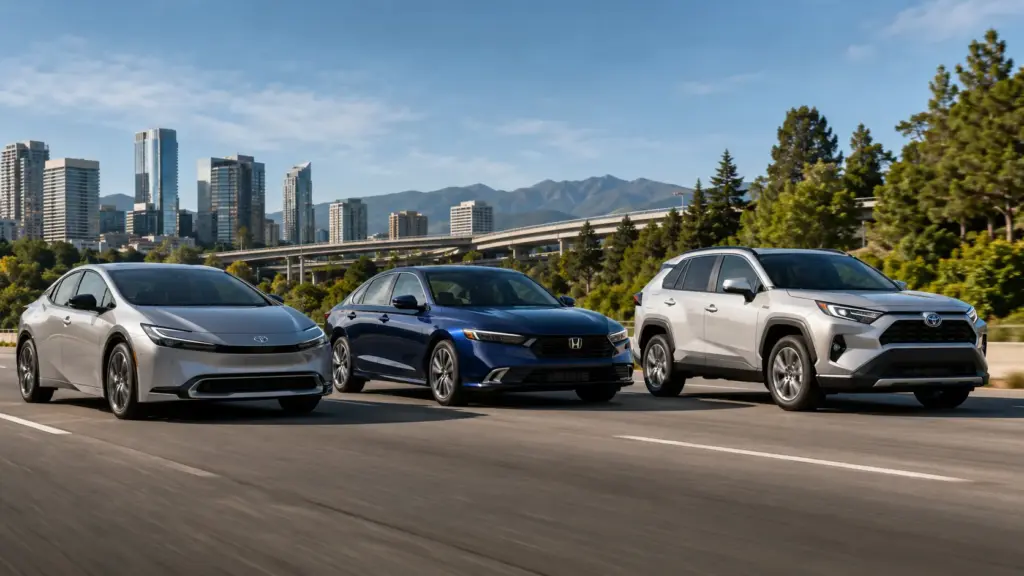
Are rising fuel costs making you think twice about your next car? Finding the best hybrid cars for fuel economy can feel confusing when every model promises impressive MPG but performs differently in real life.
I know you want a vehicle that saves fuel without giving up comfort, reliability, or everyday practicality. That’s exactly what you’ll find here.
I’ll compare the most fuel-efficient hybrid cars and SUVs, explain how hybrid systems improve gas mileage, break down the difference between standard and plug-in hybrids, and share practical tips to help you choose the right model for your driving habits and budget with confidence.
Which Hybrid Gets the Best Fuel Economy?
The Toyota Prius LE delivers an EPA-estimated 57 mpg combined, the highest rating of any non-plug-in hybrid car sold in the US this year. That number holds up whether you drive it in city traffic or on the highway, since the Prius returns 57 mpg city and 56 mpg highway on the same EPA test cycle.
But “best” changes depending on what you’re shopping for. If you need SUV space, the Toyota RAV4 went fully hybrid this year and now rates 47/40/43 mpg (city/highway/combined) in its most efficient front-wheel-drive trim.
If you want a plug-in that can cover most commutes on stored charge, the Prius Prime SE offers up to 44 miles where it essentially operates like an EV before the gas engine ever kicks in. There’s no single answer, only the model that matches your driving pattern.
| Stat | Value | Source |
| Most fuel-efficient hybrid car | Toyota Prius LE, 57 mpg combined | EPA / fueleconomy.gov |
| Most fuel-efficient hybrid SUV | Toyota RAV4 Hybrid LE FWD, 43 mpg combined | EPA / fueleconomy.gov |
| Longest EV-only range in a plug-in hybrid sedan | Toyota Prius Prime SE, 44 miles | Toyota / EPA rating |
| Most affordable hybrid sedan | Toyota Corolla Hybrid, from $24,575 | U.S. News |
| Typical cold-weather MPG loss for hybrids | 20 to 40 percent in city driving | U.S. Department of Energy |
How Hybrid Powertrains Actually Improve Fuel Economy
A hybrid pairs a gasoline engine with an electric motor and a battery pack, then lets the car’s computer decide which power source to use at any given moment. At low speeds and during stop-and-go traffic, the electric motor often does most of the work, which is why hybrids post their best numbers in the city rather than on the highway.
The battery recharges on its own as you drive, capturing energy that would otherwise be lost as heat every time you slow down.
Combine that with an engine tuned for efficiency, since most hybrids use an Atkinson-cycle four-cylinder rather than a standard combustion cycle, and you get a setup that has powered the Prius since 1997 and now shows up under the hood of nearly every midsize sedan and compact SUV on this list.
A standard hybrid sips less fuel without a charging cord ever entering the picture, unlike the plug-in versions of the same cars. Drivers who don’t have a driveway or garage charger often prefer this setup simply because there’s nothing extra to remember at the end of the day.
Plug-in hybrids work differently. They use a larger battery that you charge from an outlet, giving you 30 to 50 miles of electric-only driving before the gas engine kicks in. Toyota describes this handoff as the car quietly shifting to electric power once you leave the driveway, then blending in the gasoline engine only once the battery needs help.
It’s worth understanding how these two setups differ before you shop, since the badges look nearly identical on a window sticker but behave very differently once you’re actually driving day to day.
The Most Fuel-Efficient Hybrids You Can Buy in 2026
These rankings are based on EPA and manufacturer combined mpg ratings for the 2026 model year, verified through fueleconomy.gov and official automaker specification pages.
1. Toyota Prius (Up to 57 MPG Combined)
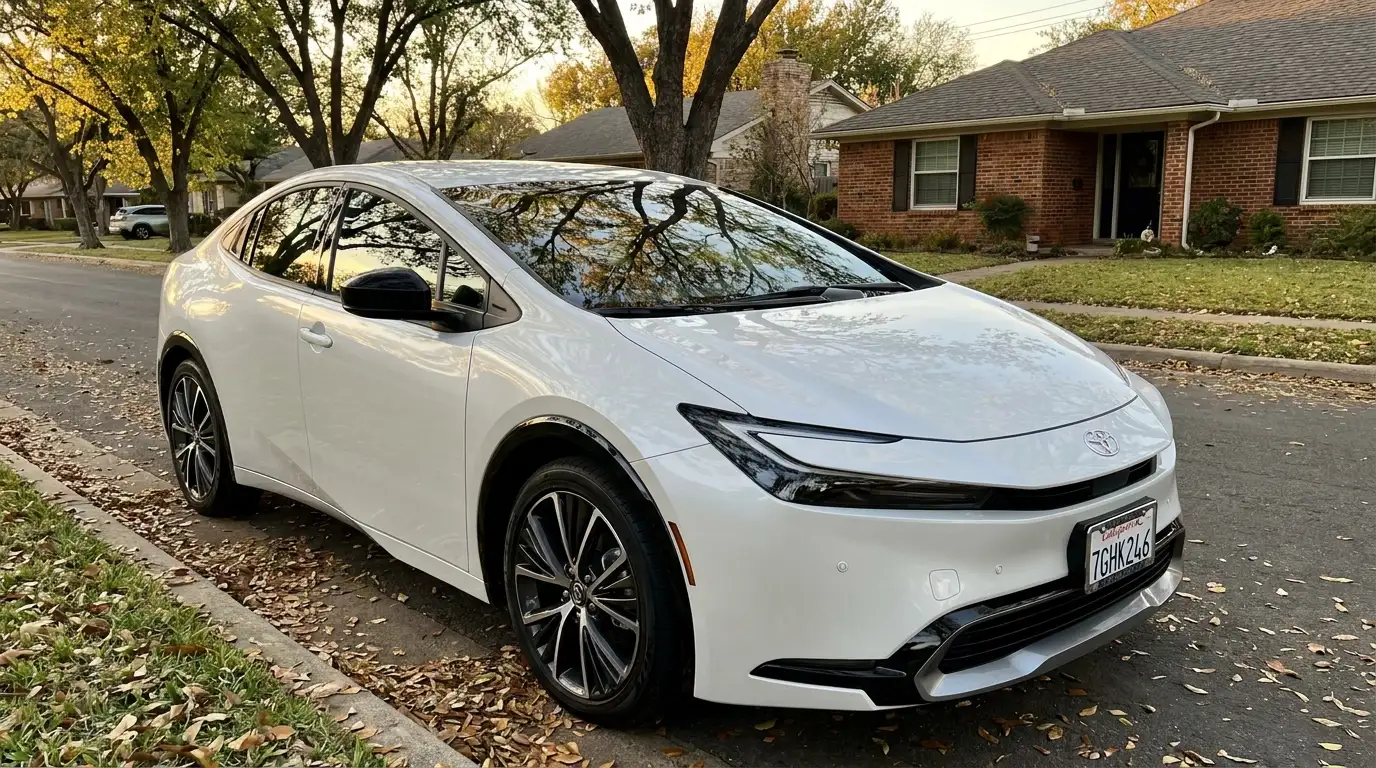
The Toyota Prius remains the gold standard for fuel-efficient hybrid vehicles. Its advanced Hybrid Synergy Drive delivers exceptional mileage in both city traffic and highway driving while maintaining smooth performance.
Beyond fuel savings, the Prius is known for outstanding reliability, low maintenance costs, and modern safety features. For drivers who want the highest MPG without compromising everyday practicality, it continues to be one of the smartest hybrid investments available.
Fuel Economy: Up to 57 MPG combined
Best For: Daily commuters and drivers focused on maximum fuel savings.
Why Buy It: Class-leading efficiency, Proven reliability, Low ownership costs, Comfortable everyday driving
2. Hyundai Elantra Hybrid (Up to 54 MPG Combined)
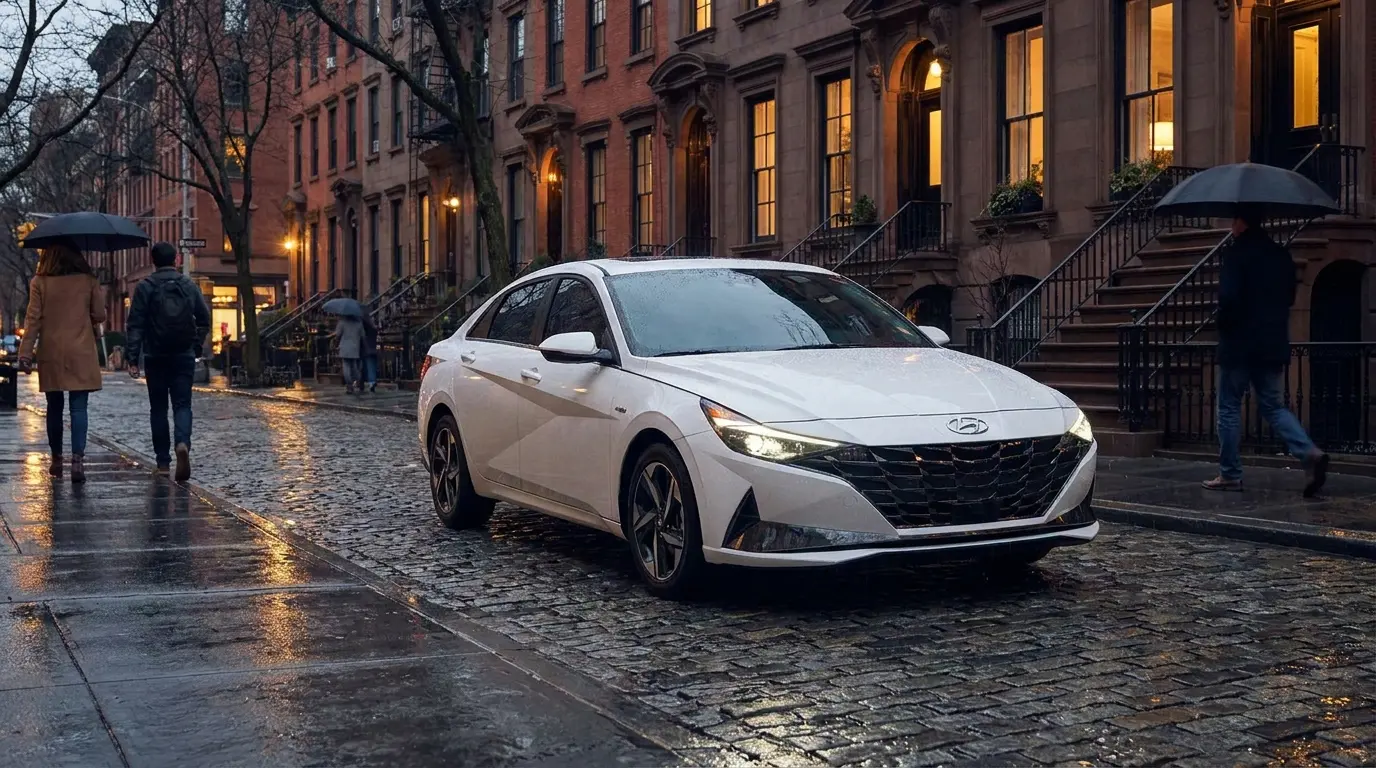
The Hyundai Elantra Hybrid offers excellent fuel economy while maintaining an affordable purchase price. It combines a comfortable ride, user-friendly technology, and impressive highway efficiency, making it an ideal choice for commuters.
Its modern interior, generous warranty coverage, and refined driving experience provide excellent value for buyers seeking a practical hybrid sedan without paying premium prices.
Fuel Economy: Up to 54 MPG combined
Best For: Budget-conscious commuters and everyday drivers.
Why Buy It: Excellent highway MPG, Affordable pricing, Comfortable cabin, Strong warranty coverage
3. Toyota Corolla Hybrid (Up to 53 MPG Combined)
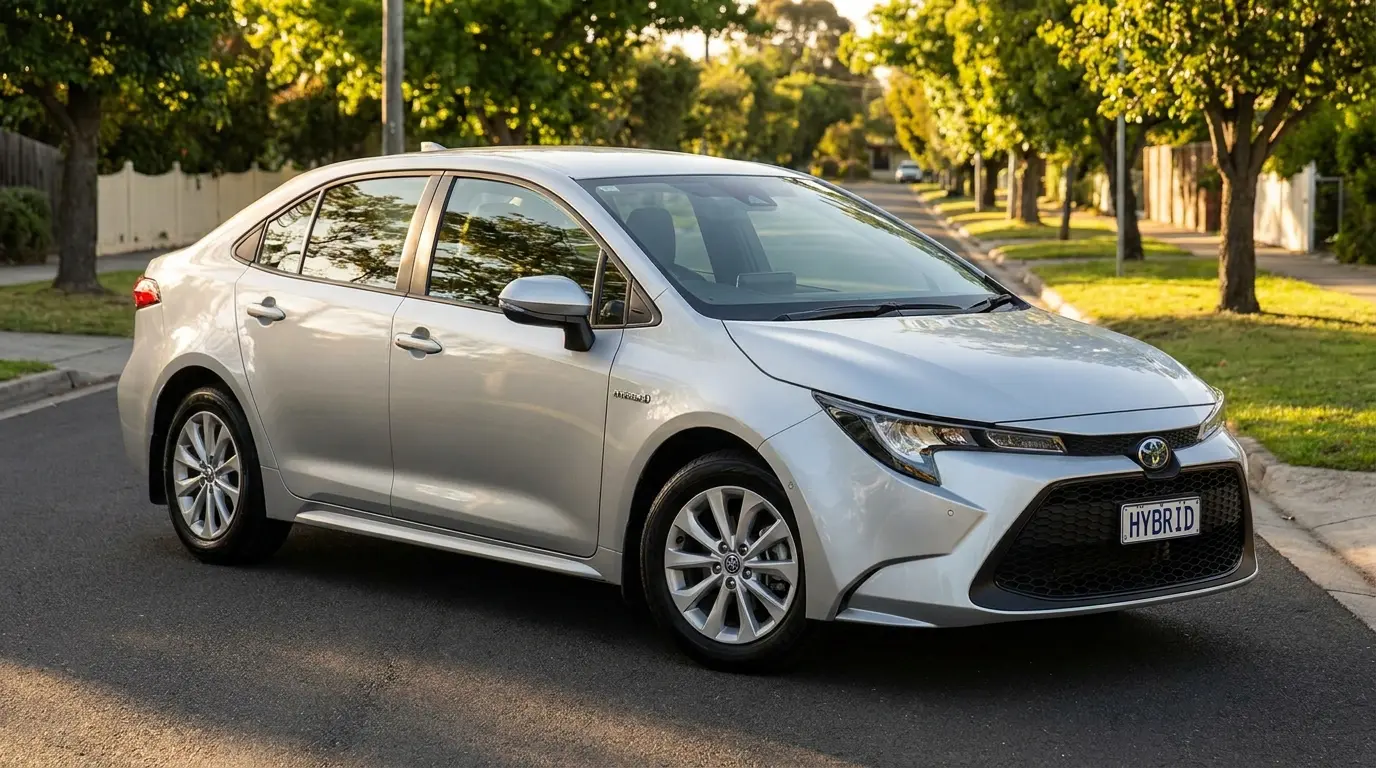
The Toyota Corolla Hybrid delivers dependable efficiency in a compact package that is easy to drive and inexpensive to maintain. It offers consistent real-world fuel economy, excellent resale value, and Toyota’s well-established reputation for durability. Its compact dimensions make city parking simple, while advanced safety features provide confidence during everyday commuting.
Fuel Economy: Up to 53 MPG combined
Best For: Urban commuters and first-time hybrid buyers.
Why Buy It: Reliable hybrid system, Low maintenance expenses, Excellent city fuel economy, Strong resale value
4. Toyota Prius Prime (Plug-in Hybrid)
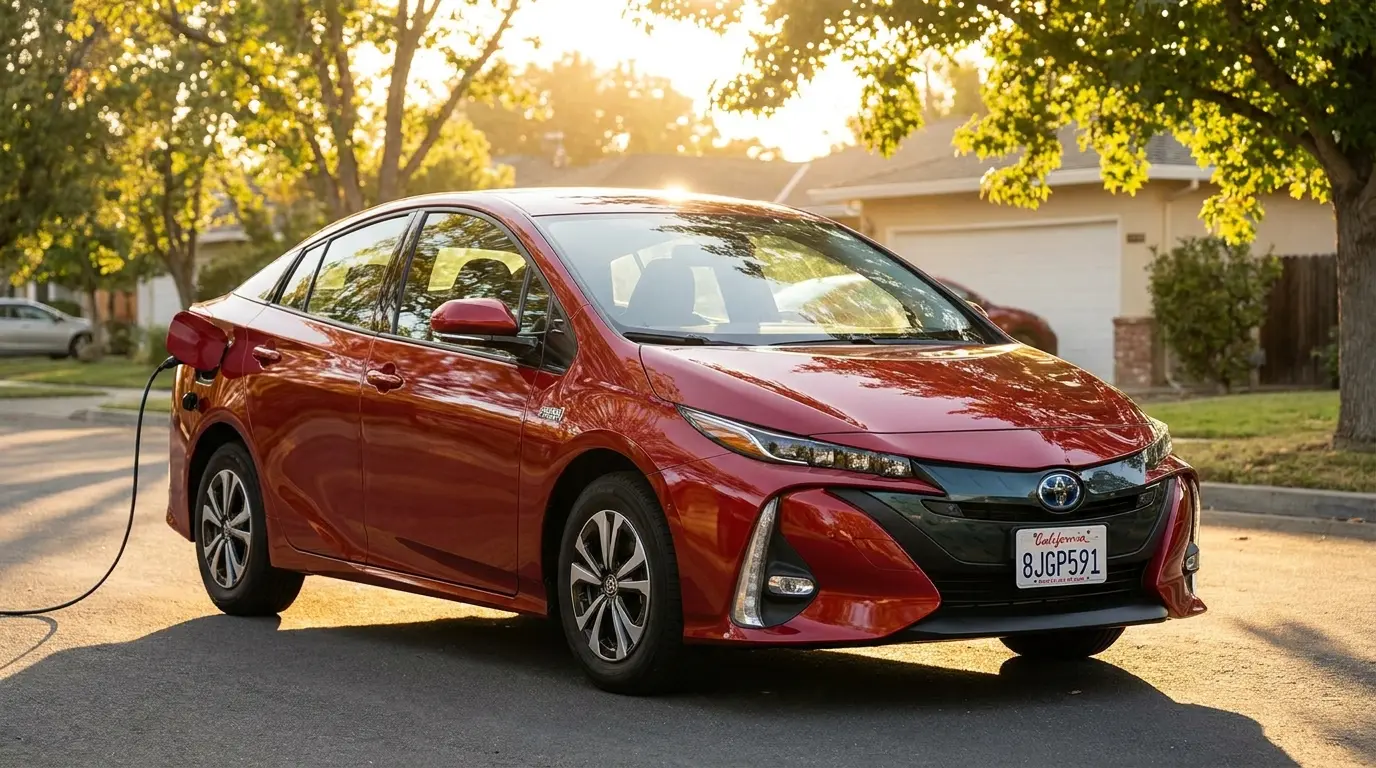
The Toyota Prius Prime combines plug-in electric driving with traditional hybrid efficiency. Drivers can complete many daily trips using electricity alone before the gasoline engine automatically takes over for longer journeys. This flexibility significantly reduces fuel costs for owners who regularly charge at home or work while eliminating range anxiety.
Fuel Economy: Up to 44 miles of electric range plus hybrid operation
Best For: Drivers with short daily commutes and charging access.
Why Buy It: Electric-only driving capability, Excellent overall efficiency, Flexible long-distance travel, Lower fuel expenses
5. Kia Niro Hybrid
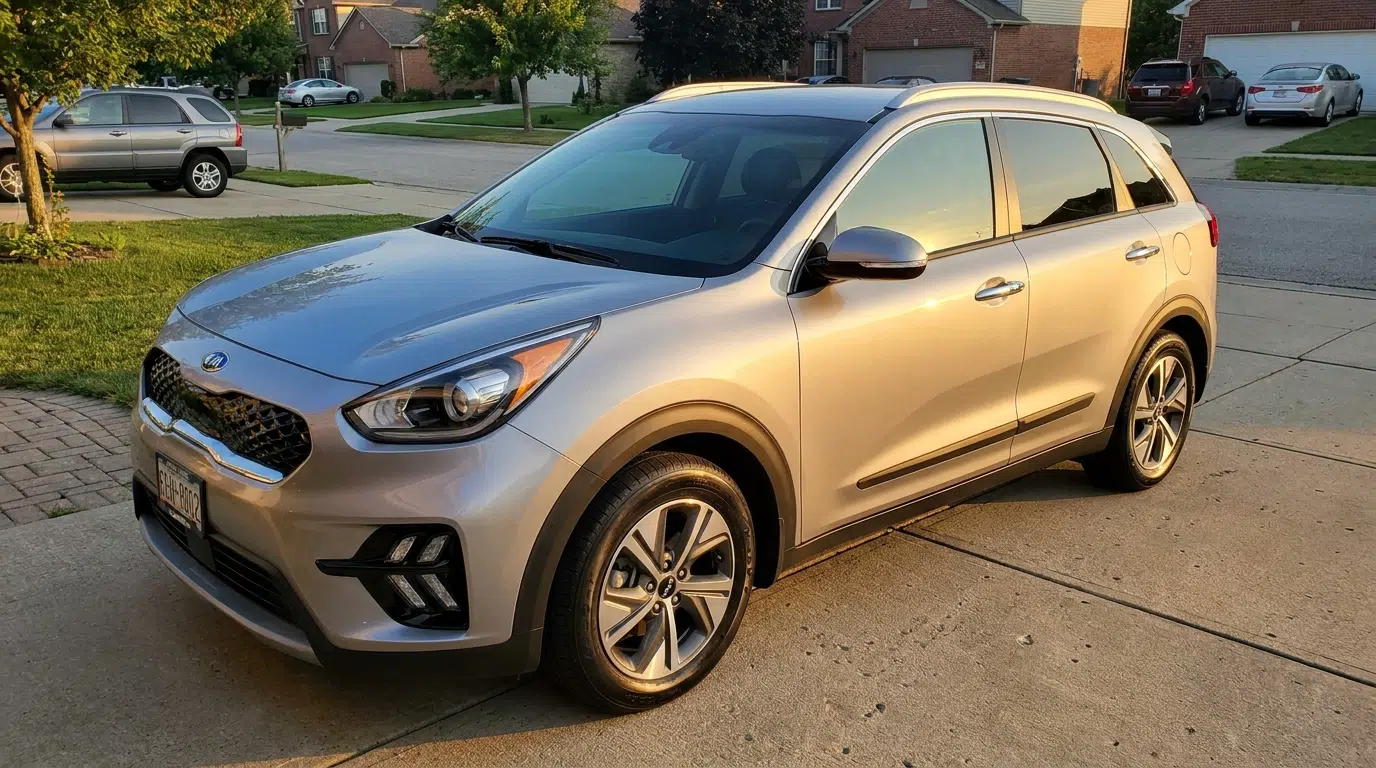
The Kia Niro Hybrid blends crossover practicality with outstanding fuel efficiency. Its spacious cabin and versatile cargo area make it ideal for families or active lifestyles without sacrificing impressive MPG. Comfortable seating, intuitive technology, and easy maneuverability help the Niro stand out among compact hybrid SUVs.
Fuel Economy: Around 50+ MPG combined
Best For: Drivers wanting SUV practicality with sedan-like efficiency.
Why Buy It: Spacious interior, Excellent fuel economy, Comfortable driving position, Practical cargo space
6. Toyota Camry Hybrid
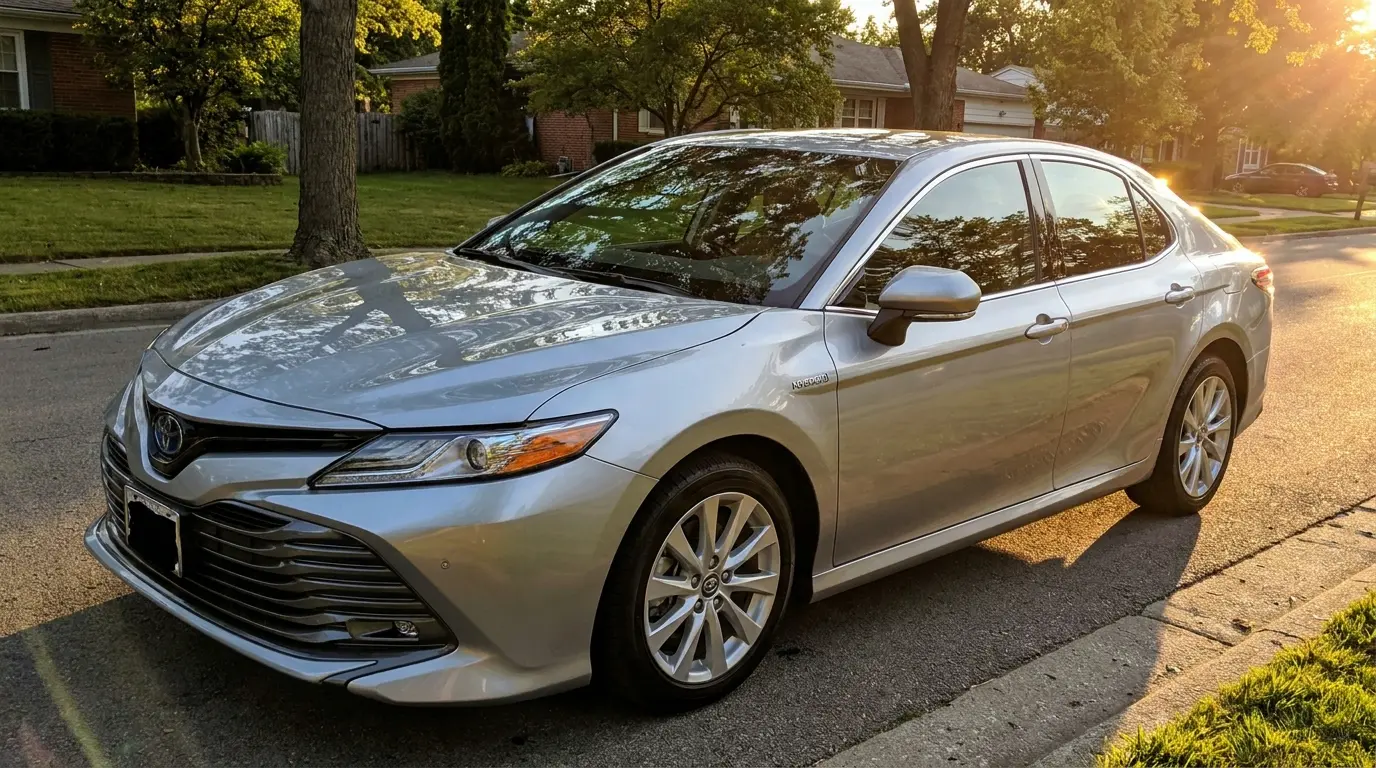
The Toyota Camry Hybrid combines midsize sedan comfort with remarkable fuel economy. It delivers a smooth ride, quiet cabin, and strong highway performance while maintaining impressive efficiency for its size. The roomy interior and dependable hybrid system make it an excellent option for commuters and families alike.
Fuel Economy: Around 50 MPG combined
Best For: Long-distance commuters and families.
Why Buy It: Comfortable highway ride, Spacious interior, Reliable hybrid technology, Excellent overall value
7. Honda Accord Hybrid
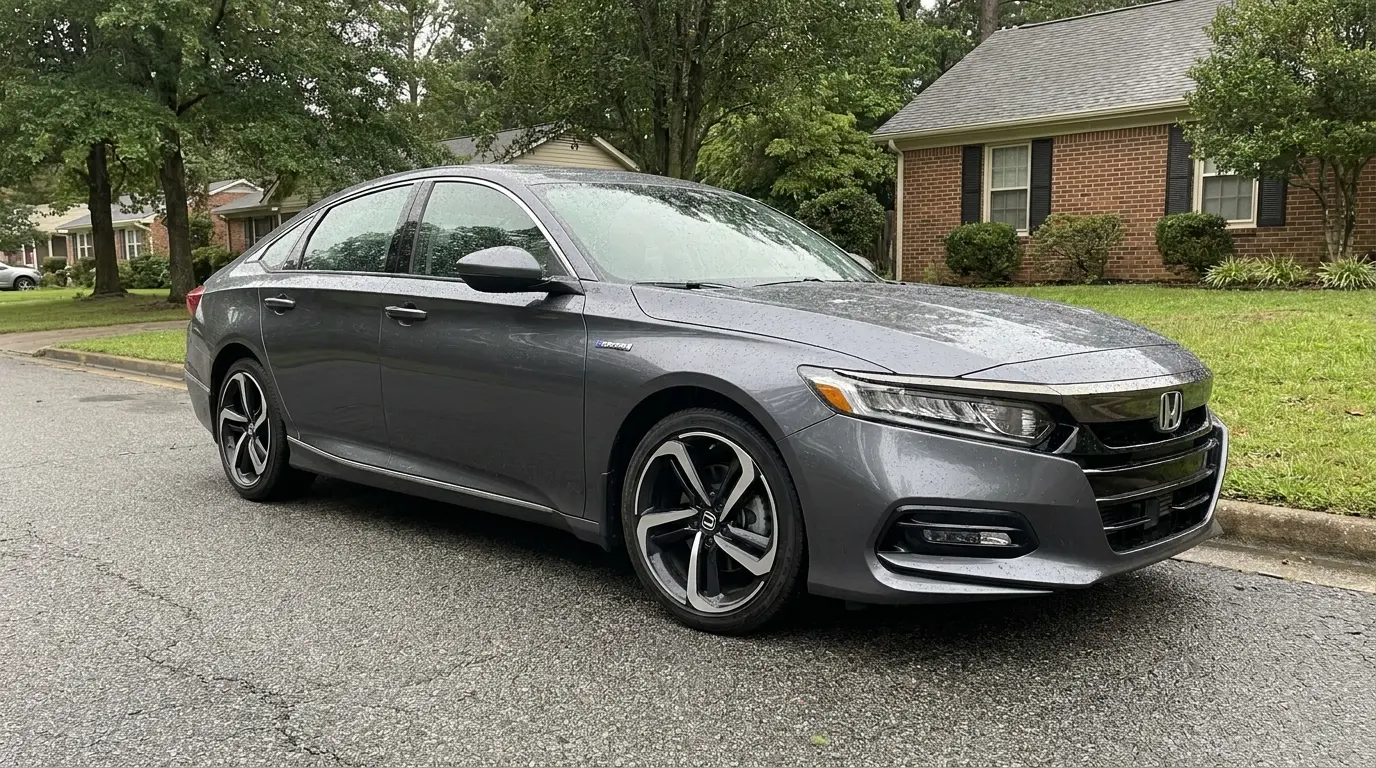
The Honda Accord Hybrid offers an engaging driving experience alongside impressive fuel efficiency. Its responsive powertrain provides quick acceleration while maintaining competitive MPG figures. Inside, the Accord features a spacious cabin, premium materials, and advanced technology that make daily driving more enjoyable.
Fuel Economy: Around 48–51 MPG combined
Best For: Drivers seeking efficiency without sacrificing performance.
Why Buy It: Responsive acceleration, Comfortable cabin, Strong fuel economy, Premium driving experience
8. Hyundai Sonata Hybrid
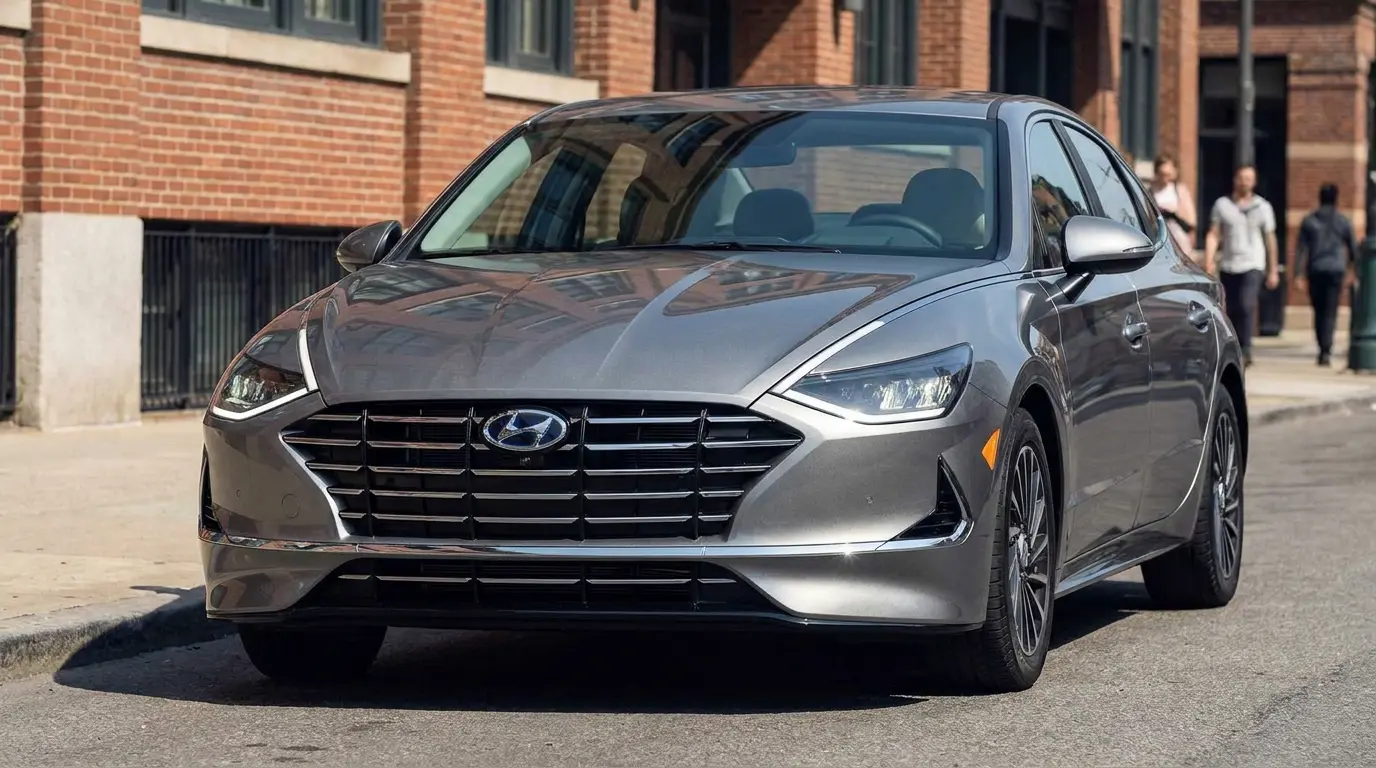
The Hyundai Sonata Hybrid delivers excellent highway efficiency while offering a refined, technology-rich interior. Comfortable seating, smooth ride quality, and advanced driver-assistance features make it an appealing midsize sedan. It balances fuel savings with modern styling and practical everyday usability.
Fuel Economy: Up to 52 MPG combined
Best For: Highway commuters and technology-focused buyers.
Why Buy It: Strong highway MPG, Modern interior, Comfortable ride, Excellent technology features
9. Toyota Crown Hybrid
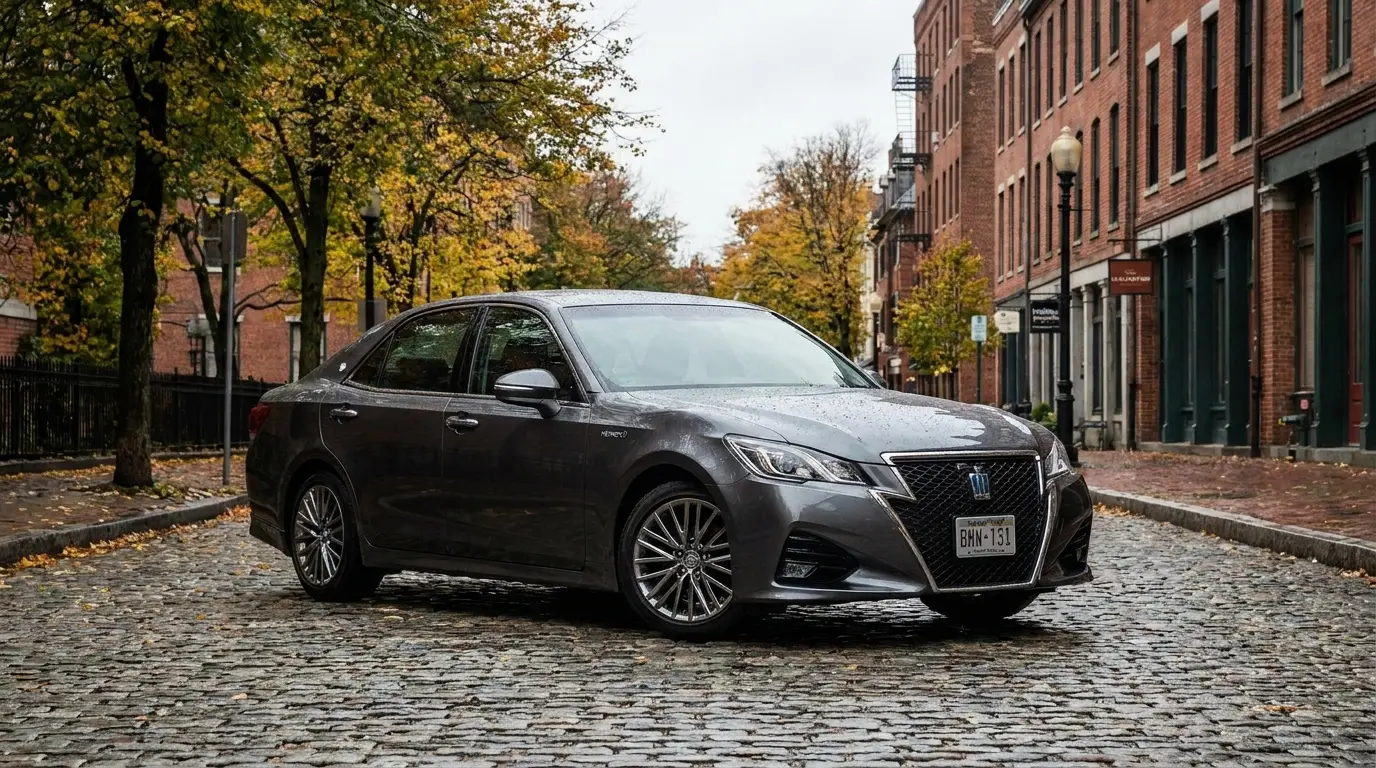
The Toyota Crown Hybrid introduces luxury-level comfort while maintaining efficient hybrid performance. Its elevated seating position, premium cabin materials, and advanced technology create an upscale driving experience without the fuel consumption typically associated with luxury sedans.
Fuel Economy: Approximately 41 MPG combined
Best For: Drivers wanting luxury with better fuel efficiency.
Why Buy It, Premium interior, Smooth ride quality, Advanced technology, Efficient hybrid powertrain
10. Lexus ES 300h
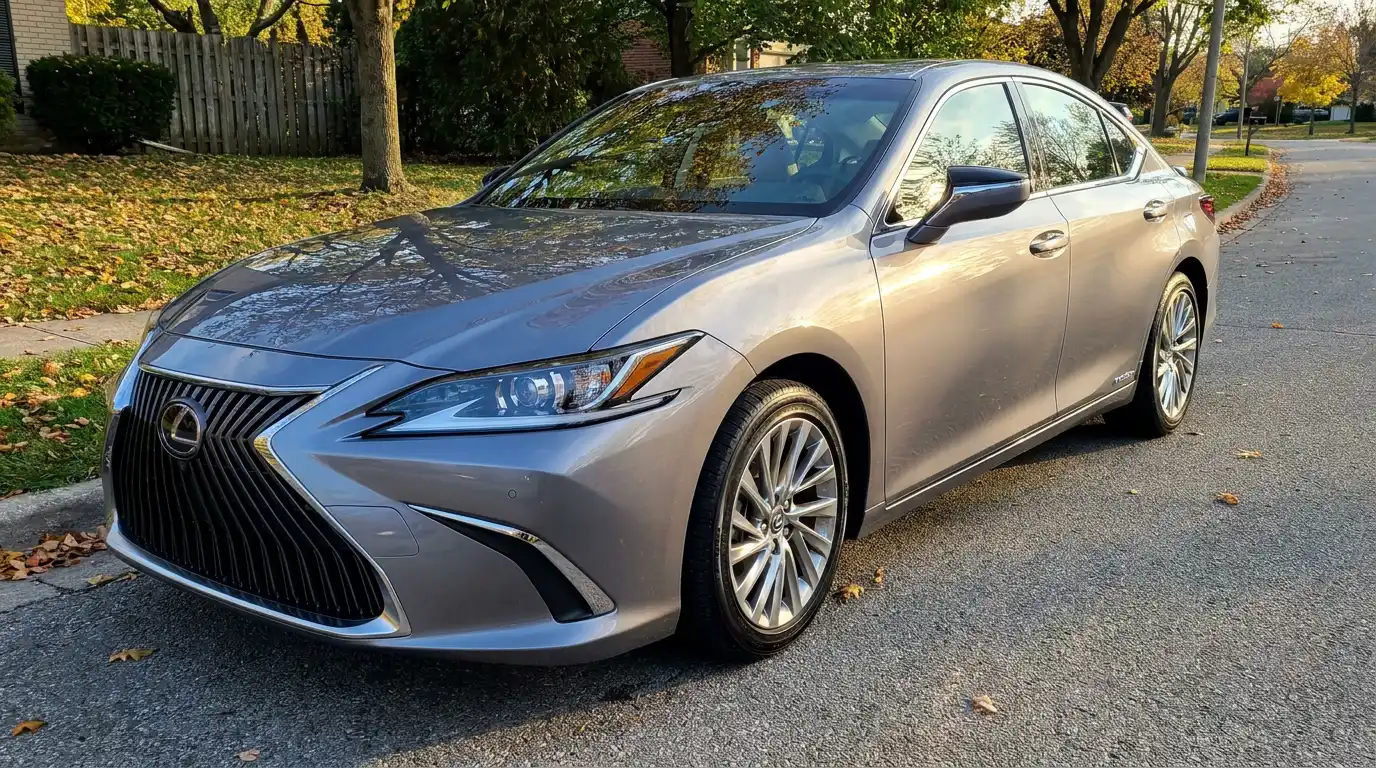
The Lexus ES 300h is one of the most refined luxury hybrids available, offering outstanding ride comfort and excellent fuel economy. Its quiet cabin, high-quality materials, and dependable hybrid system make it a favorite among buyers looking for premium comfort with lower operating costs.
Fuel Economy: Around 43–44 MPG combined
Best For: Luxury buyers prioritizing efficiency.
Why Buy It: Quiet cabin, Premium comfort, Reliable hybrid system, Excellent fuel economy
11. Toyota RAV4 Hybrid
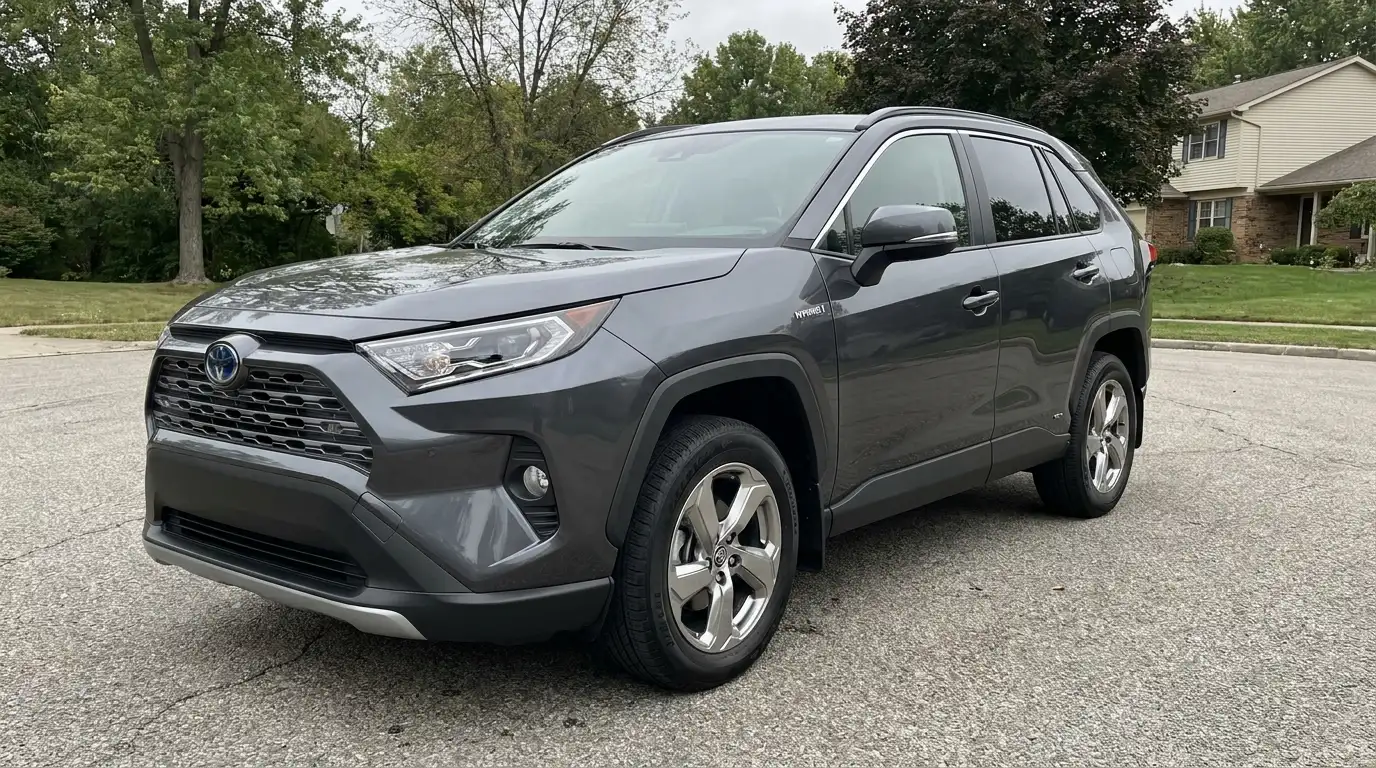
The Toyota RAV4 Hybrid combines family-friendly practicality with strong fuel efficiency. It offers generous cargo capacity, available all-wheel drive, and dependable hybrid technology, making it suitable for daily commuting, road trips, and outdoor adventures alike.
Fuel Economy: Around 38–40 MPG combined
Best For: Families needing an efficient SUV.
Why Buy It: Spacious interior, Available AWD, Reliable performance, Strong resale value
12. Ford Escape Hybrid
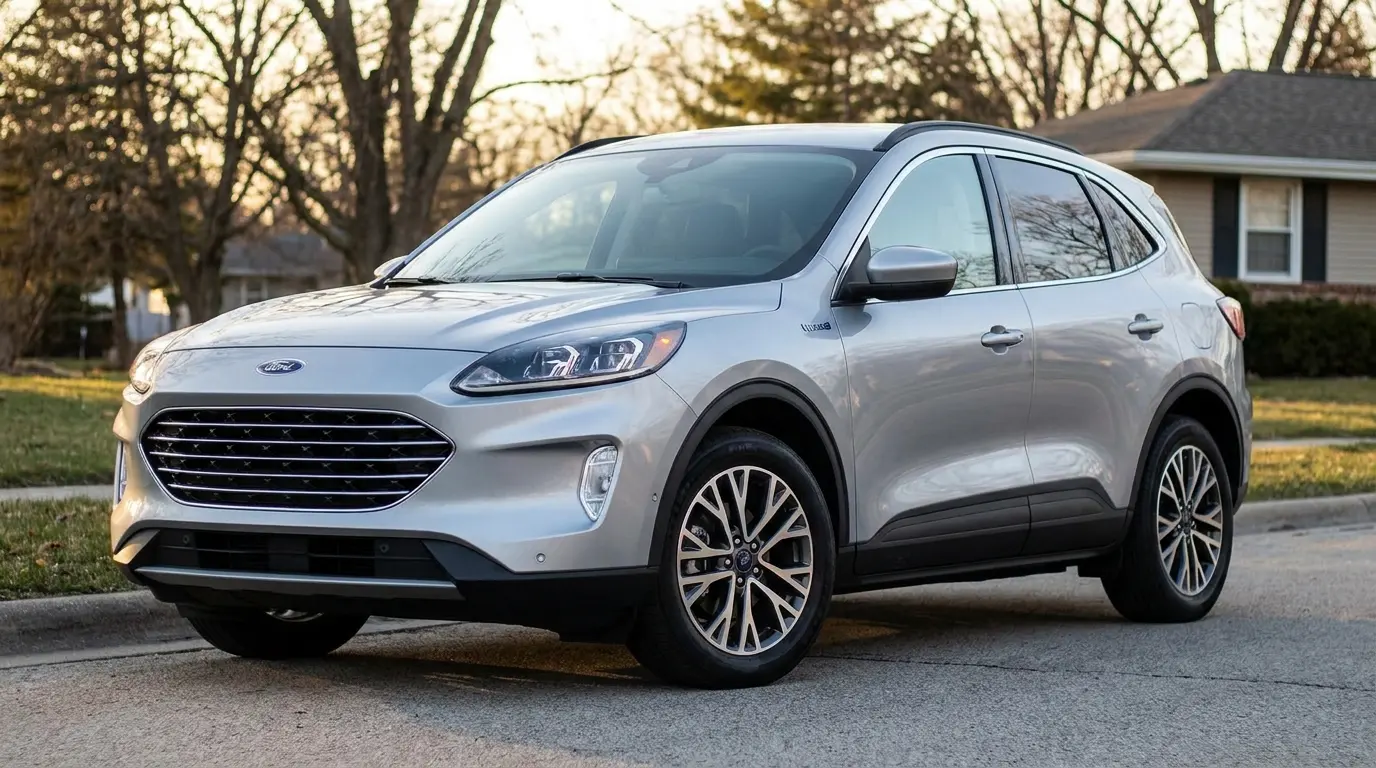
The Ford Escape Hybrid provides responsive handling while maintaining competitive fuel economy. Its roomy cabin, flexible cargo space, and comfortable ride make it practical for both urban commuting and weekend travel. It offers a balanced mix of efficiency and driving enjoyment.
Fuel Economy: Around 37–41 MPG combined
Best For: Drivers wanting a sporty-feeling hybrid SUV.
Why Buy It: Smooth city driving, Practical cargo area, Competitive pricing, Comfortable interior
13. Hyundai Tucson Hybrid
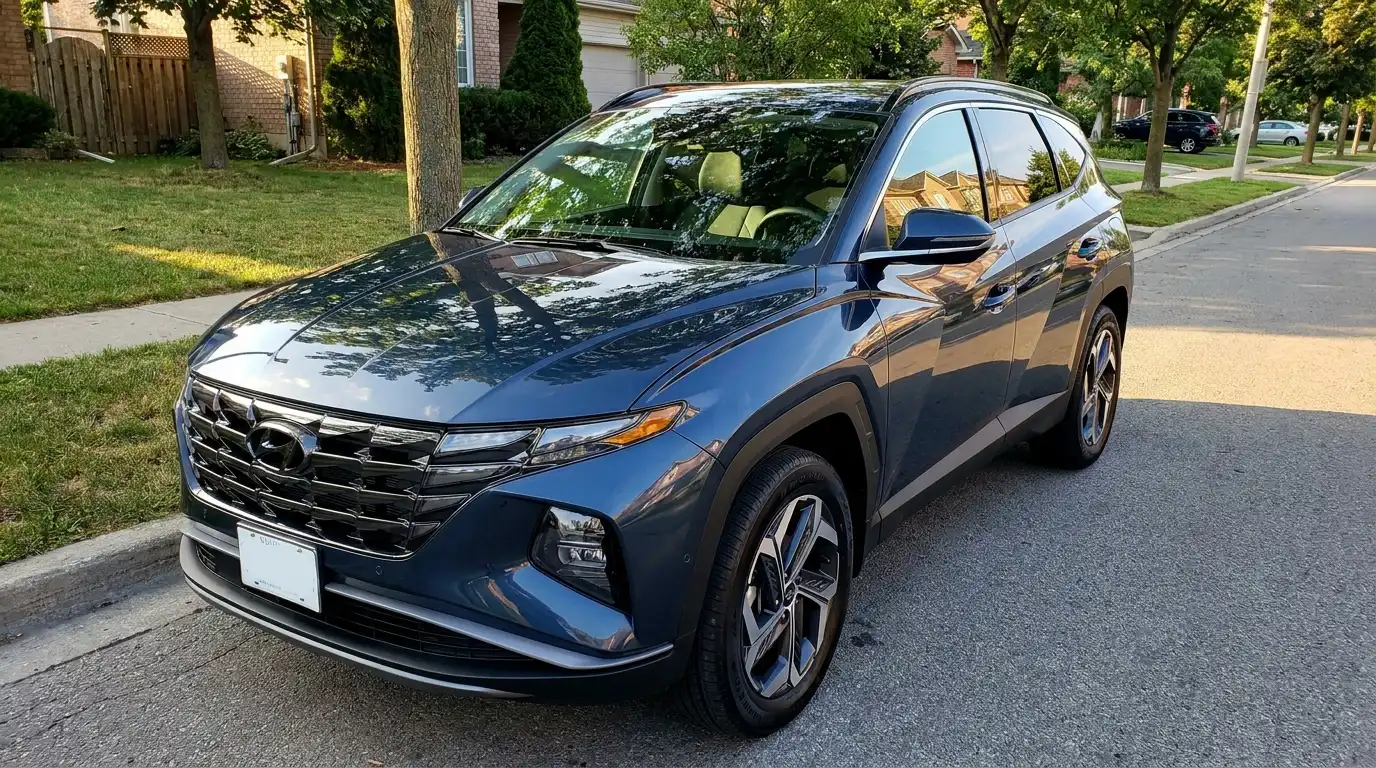
The Hyundai Tucson Hybrid pairs modern styling with strong fuel efficiency and a feature-rich cabin. Its comfortable suspension, advanced infotainment system, and spacious interior create a pleasant driving experience while delivering excellent mileage for a compact SUV.
Fuel Economy: Around 38 MPG combined
Best For: Buyers seeking comfort and modern technology.
Why Buy It: Stylish design,Premium cabin, Advanced safety technology, Comfortable ride
14. Honda CR-V Hybrid
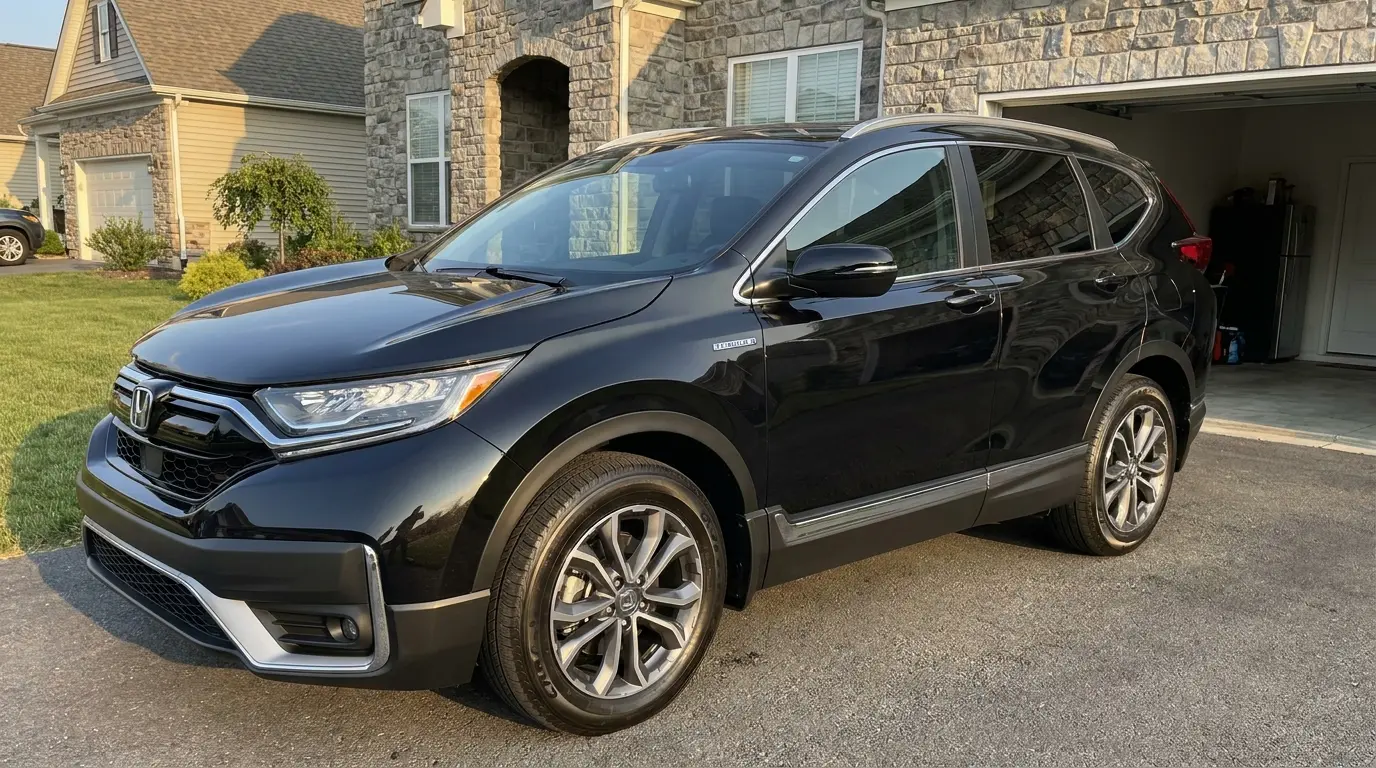
The Honda CR-V Hybrid remains one of the most practical hybrid SUVs thanks to its roomy cabin, dependable performance, and balanced fuel economy. Families appreciate its cargo capacity, comfortable seating, and reputation for long-term reliability, making it an excellent everyday vehicle.
Fuel Economy: Around 40 MPG combined
Best For: Families and long-term ownership.
Why Buy It: Spacious interior, Reliable performance, Comfortable ride, Excellent practicality
15. Honda Civic Hybrid (2026)
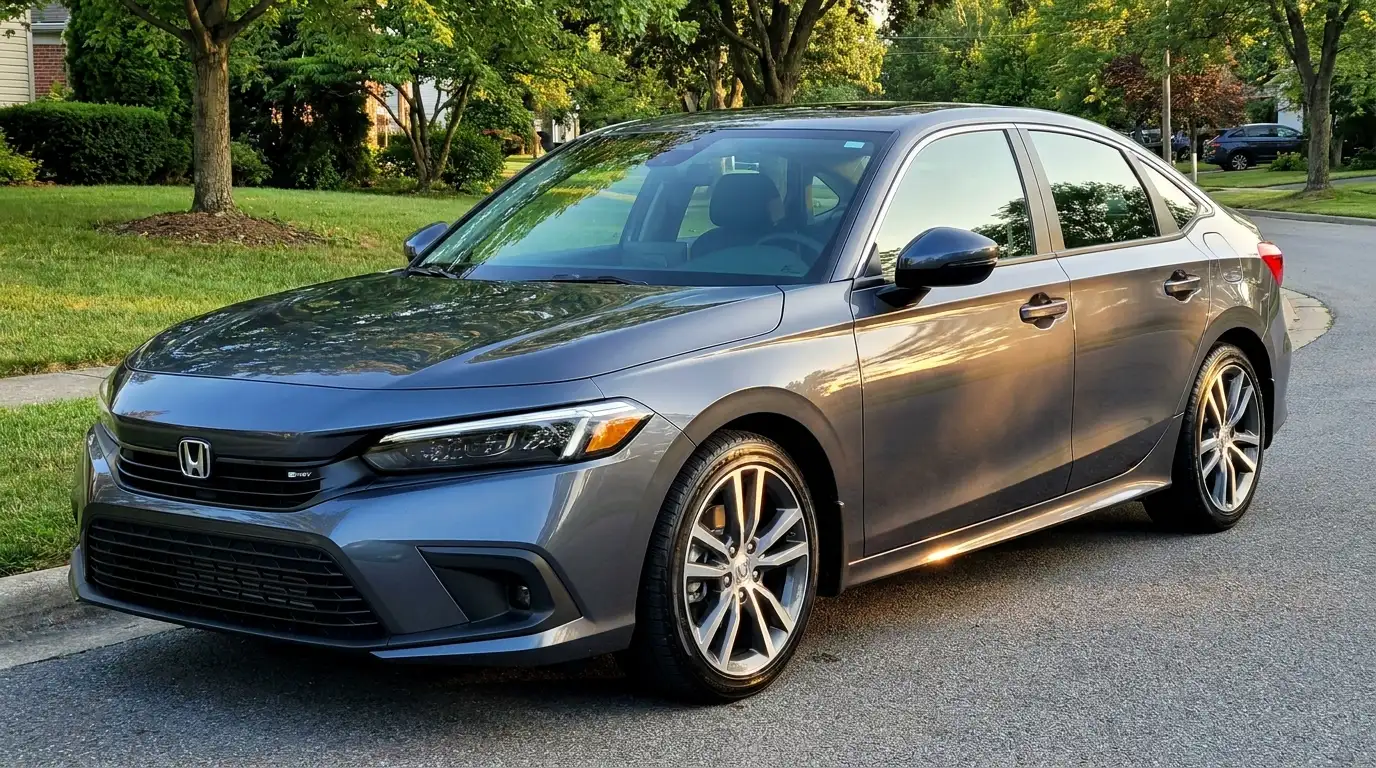
The Honda Civic Hybrid combines the Civic’s well-known driving dynamics with improved fuel efficiency. Lightweight construction, responsive handling, and an efficient hybrid powertrain make it an appealing option for urban drivers who want both economy and enjoyable performance.
Fuel Economy: Estimated 45–50 MPG combined
Best For: City commuters and compact car buyers.
Why Buy It: Lightweight design, Excellent efficiency, Responsive handling, Practical daily driver
16. Toyota Corolla Cross Hybrid
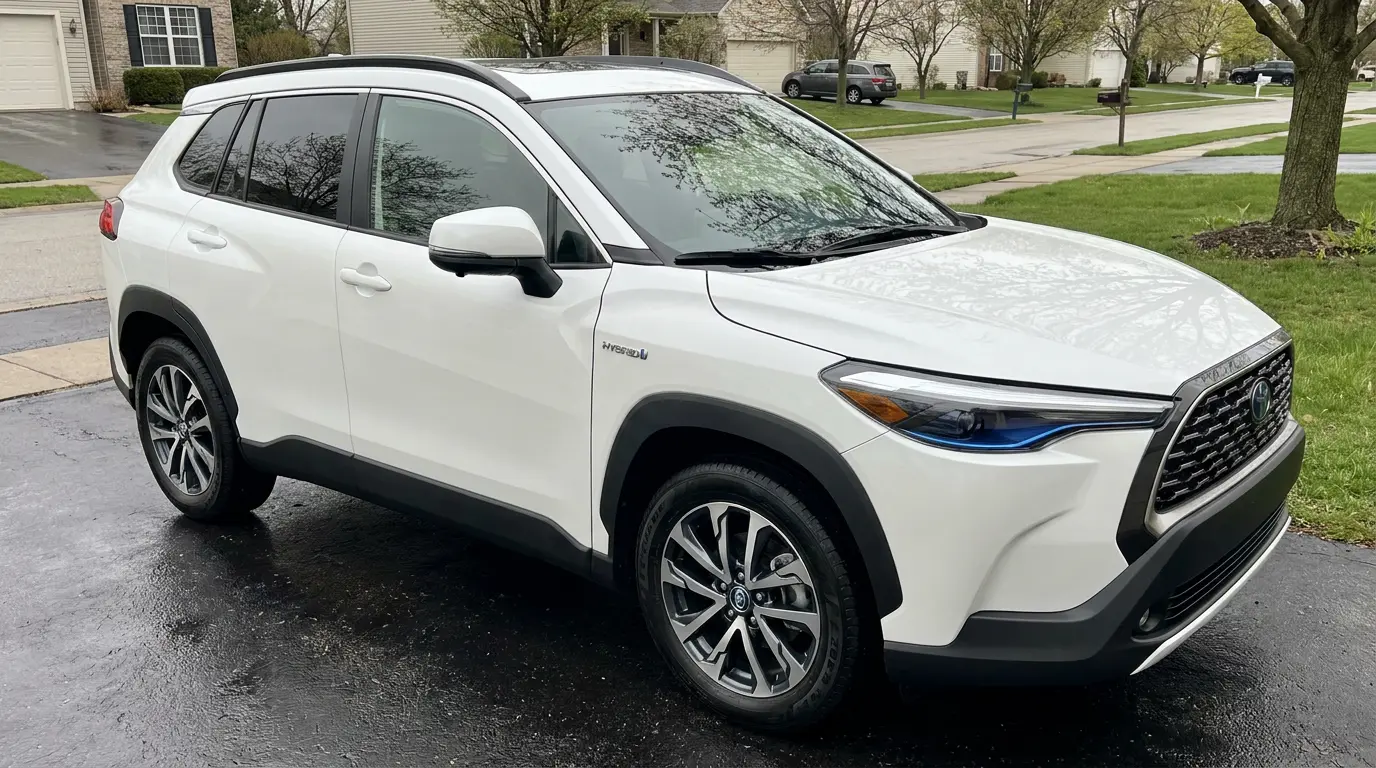
The Toyota Corolla Cross Hybrid offers the higher seating position of an SUV while maintaining impressive fuel economy. Its practical cargo area, compact size, and dependable hybrid system make it well suited for drivers who need extra versatility without sacrificing efficiency.
Fuel Economy: Around 42 MPG combined
Best For: Drivers wanting a compact, fuel-efficient SUV.
Why Buy It: Compact SUV practicality, Excellent city efficiency, Toyota reliability, Flexible cargo space
17. Lexus UX 250h
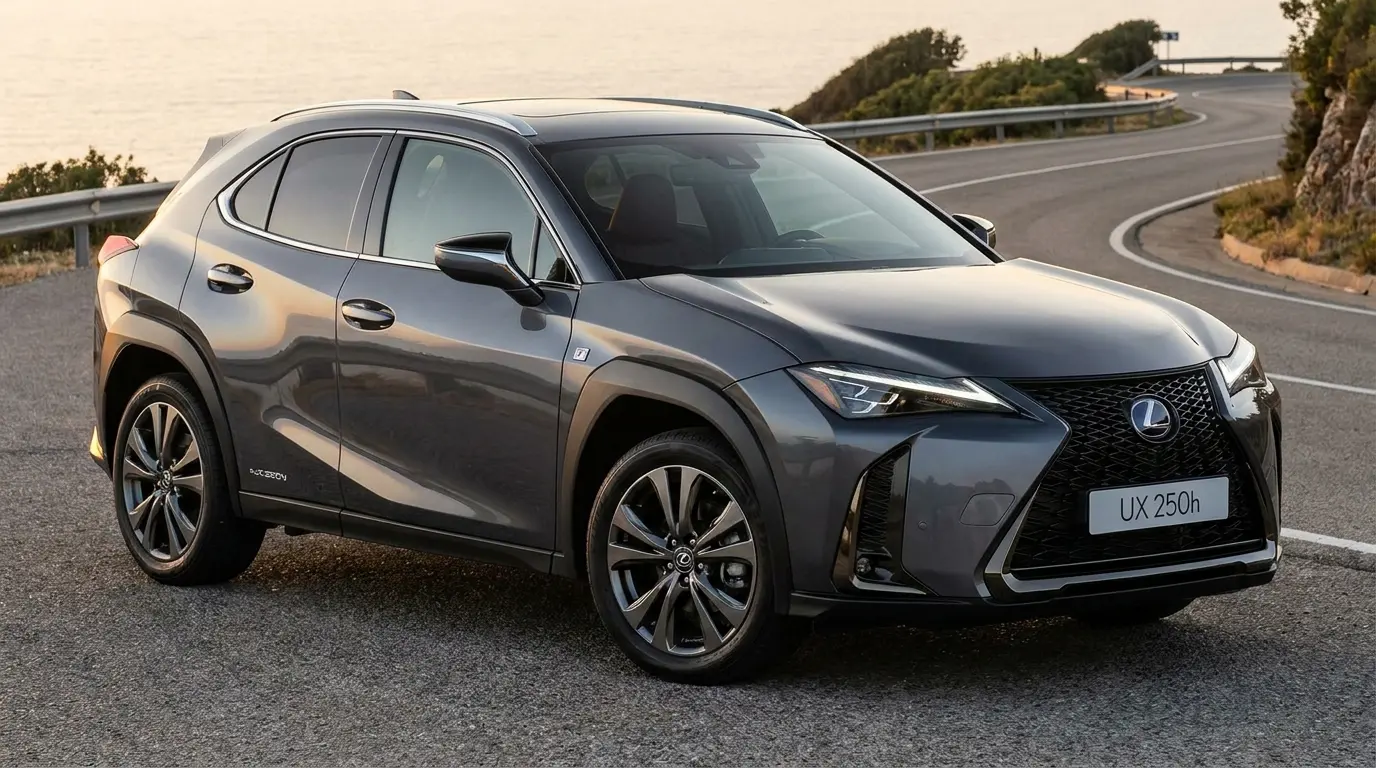
The Lexus UX 250h is a premium compact SUV designed for city driving. It combines a quiet cabin, upscale interior, and efficient hybrid powertrain to deliver a refined driving experience with lower fuel costs than many luxury competitors.
Fuel Economy: Around 42 MPG combined
Best For: Urban luxury buyers.
Why Buy It: Premium interior, Quiet ride, Excellent city MPG, High reliability
Hybrid vs. Plug-In Hybrid: Which One Actually Fits Your Driving?
| Factor | Standard Hybrid (HEV) | Plug-In Hybrid (PHEV) |
| Charging required | No, self-charges via engine and regenerative braking | Yes, for full electric-only range |
| Electric-only range | A mile or two at low speed | Typically 30 to 50 miles |
| Best for | Drivers without home charging or with long highway commutes | Drivers with a short commute and access to a charger |
| Typical price premium | Baseline | $3,000 to $6,000 more than the equivalent HEV |
| Example | Toyota Prius, 57 mpg combined | Toyota Prius Prime, 44-mile EV range plus 127 MPGe |
Real-World Hybrid MPG Reviews

Official MPG ratings help with comparisons, but real-world hybrid mileage can vary depending on daily conditions.
Key factors that affect hybrid MPG include:
- Traffic Conditions: Hybrids usually perform better in stop-and-go traffic because the electric motor handles low-speed driving.
- Driving Speed: Highway MPG often drops when speeds stay above 70 mph for long periods.
- Weather: Cold weather can reduce MPG because the engine runs more often to warm the cabin and battery.
- Tire Size: Larger wheels and wider tires may slightly lower fuel economy.
- Road Elevation: Hills and mountain roads can reduce MPG, while flat city routes usually help hybrids perform better.
- Driving Style: Smooth braking and gentle acceleration help the hybrid system recover and use energy more efficiently.
Real user insights:
- Toyota Prius: Often delivers around 45–55 MPG in real-world city and mixed driving. It performs best for daily commuters focused on maximum fuel savings.
- Toyota Corolla Hybrid: Known for steady MPG in everyday use. It may not match the Prius at highway speeds, but it stays reliable for city and suburban routes.
- Toyota Camry Hybrid: Better suited for drivers seeking comfort, cabin space, long-distance highway stability, and good fuel economy.
- Honda CR-V Hybrid: Praised for balanced performance, SUV practicality, and better MPG than gas-only crossovers, though it is not built for peak efficiency.
- Hyundai Hybrid Models: Often perform well on highways when driven at consistent speeds, but city MPG can vary more by model and traffic pattern.
- Honda Hybrid Sedans: Usually deliver predictable highway mileage and a smooth driving feel, especially on longer routes.
Bottom line is that smaller hybrids like the Prius and Corolla Hybrid usually lead in MPG, while Camry Hybrid and CR-V Hybrid trade some efficiency for more space, comfort, and practicality.
How to Choose the Best MPG Hybrid for Your Driving Style
Choosing the right hybrid is about more than the highest MPG rating. The best option matches your daily driving habits, space needs, and long-term ownership goals.
Step 1: Consider where you drive most. If your trips are mainly in city traffic with frequent stops, hybrids like the Prius or Elantra Hybrid deliver excellent fuel economy. For long highway commutes, models such as the Camry Hybrid and Accord Hybrid provide more consistent efficiency.
Step 2: EPA estimates are useful, but real-world MPG can vary based on traffic, weather, and driving style. Check owner reviews and long-term road tests to see how a hybrid performs in everyday conditions.
Step 3: Sedans generally offer the best fuel economy, while hybrid SUVs provide more passenger space, cargo capacity, and a higher driving position. Pick the option that best suits your lifestyle rather than focusing only on MPG.
Step 4: Fuel savings are important, but reliability and resale value also affect overall ownership costs. Brands like Toyota, Honda, and Hyundai have strong reputations for dependable hybrid systems and excellent long-term value.
Frequently Asked Questions
Which hybrid car gets the best gas mileage in 2026?
The Toyota Prius LE leads non-plug-in hybrids at 57 mpg combined, based on EPA testing. Among plug-in hybrids, the Prius Prime SE effectively uses no gasoline for the first 44 miles of a trip.
Are hybrid SUVs as fuel-efficient as hybrid sedans?
They’re closer than they used to be but generally still trail sedans. The 2026 RAV4 Hybrid tops out at 43 mpg combined in its most efficient trim, compared with 51 to 57 mpg for the Camry and Prius. The gap comes down to weight and aerodynamics rather than the hybrid system itself.
Do hybrid cars get better mpg in the city or on the highway?
Most hybrids get better mpg in the city, since the electric motor can handle more of the driving at stop-and-go speeds and regenerative braking recovers energy every time you slow down. The Hyundai Elantra Hybrid is a notable exception, rated higher on the highway than in the city.
How much does cold weather affect hybrid fuel economy?
The Department of Energy estimates a 20 to 40 percent drop in city driving and 25 to 45 percent on short trips in cold weather, since the battery and regenerative braking system both perform worse at low temperatures.
Is a plug-in hybrid worth the extra cost over a standard hybrid?
It depends on whether you have somewhere to charge it. A plug-in hybrid typically costs $3,000 to $6,000 more than the equivalent standard hybrid. If your commute fits within its electric-only range and you can charge overnight, that premium can pay for itself in avoided gas purchases. If you can’t charge regularly, a standard hybrid usually makes more financial sense.
Which hybrid SUV should I buy for the best fuel economy?
Between the two covered here, the Kia Niro Hybrid’s 53 mpg combined rating beats the RAV4 Hybrid’s 43 mpg, though the RAV4 offers available all-wheel drive and more cargo room. Match the choice to whether you need extra capability or maximum mpg.
Do hybrid cars need to be charged like an electric vehicle?
Standard hybrids, sometimes called HEVs, never need to be plugged in. They recharge automatically through the gas engine and regenerative braking. Only plug-in hybrids and fully electric vehicles require a charger.
Fuel economy figures reflect EPA and manufacturer ratings current as of July 2026. Trim availability, pricing, and MPG ratings can change with mid-year updates. Verify current figures with the manufacturer or fueleconomy.gov before purchase.
Why Fuel Efficiency in Cars Actually Matters Beyond Savings
Fuel efficiency in cars matters far beyond saving money at the pump, as it affects long-term ownership costs, environmental impact, and everyday driving convenience.
A higher-MPG vehicle uses less fuel to travel the same distance, which is especially important for daily commuters and city drivers dealing with heavy traffic and stop-and-go conditions.
Over time, even small efficiency gains translate into meaningful yearly savings, more predictable expenses, and reduced dependency on fluctuating fuel prices.
In hybrid vehicles, this benefit is further improved by electric assistance, which reduces engine load and improves efficiency at low speeds.
Key reasons fuel efficiency matters:
- Cost Stability: Reduces overall fuel spending and protects against price fluctuations
- Lower Emissions: Cuts carbon output per mile driven
- Urban Efficiency: Performs better in traffic-heavy stop-and-go conditions
- Reduced Engine Strain: Hybrid systems distribute workload, improving long-term efficiency and smoothness
Final Thoughts
Choosing the right hybrid comes down to more than chasing the highest MPG rating. I hope this guide helps you compare fuel economy, understand how different hybrid systems work, and match a vehicle to your daily driving needs.
The best hybrid cars for fuel economy combine efficiency with reliability, comfort, and long-term value, so it’s worth looking beyond the numbers on the window sticker.
By considering your commute, driving conditions, and ownership costs, you can make a smarter buying decision that saves money over time.
Have a favorite hybrid or a question about a specific model? Share your thoughts below or explore our related buying guides for more helpful tips.