
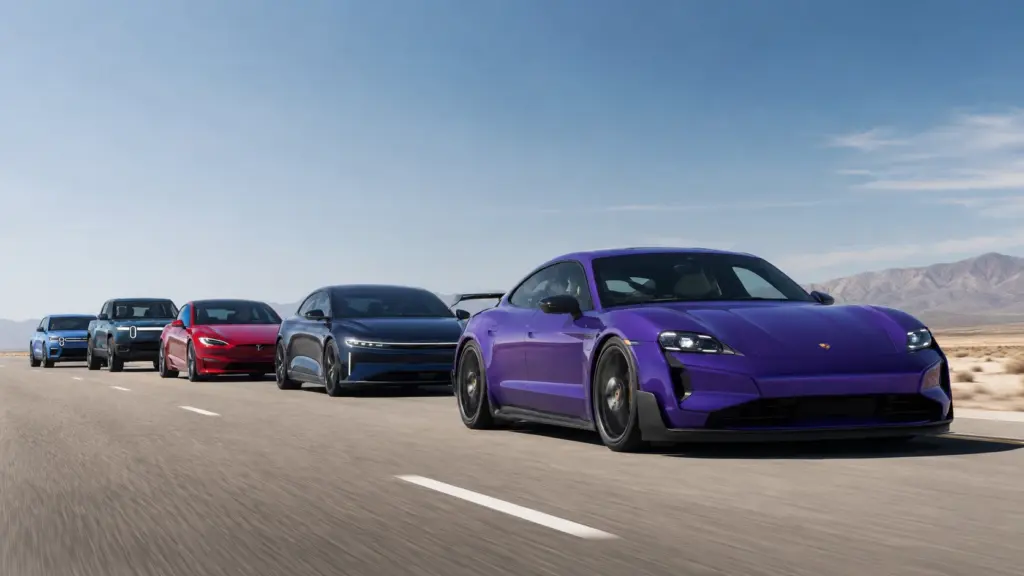
Have you ever felt a launch that makes your inner ear scramble to catch up? Finding the true performance limits of today’s EVs feels impossible amidst the constant marketing hype.
You want real-world, verified data, not just theoretical top speed charts. It is tough to know which vehicles actually sustain their power after consecutive hard runs.
I tracked down the actual performance data, daily ownership costs, and engineering mechanics behind the fastest electric cars on the market today.
You will find exactly which models deliver genuine track handling, how electric motors leverage instant torque, and what that blistering speed actually costs you in tire wear and battery range.
| Stat | Value | Source |
| Quickest production EV (0-60 mph) | 1.89 seconds, Lucid Air Sapphire | Lucid Group official specs |
| Fastest EV top speed on this list | 205 mph, Lucid Air Sapphire | Lucid Group official specs |
| Highest horsepower on this list | 1,234 hp, Lucid Air Sapphire tri-motor | Lucid Group official specs |
| Fastest electric pickup (0-60 mph) | Around 2.5 seconds, Tesla Cybertruck Beast | Tesla specs page |
| Most affordable car on this list | Tesla Model 3 Performance, under $55,000 | Tesla specs page |
Why EV Motors Accelerate Faster Than Gas Engines
Many drivers assume EVs feel quick because they are simply more powerful than gas cars. That is not the real reason.
An electric motor delivers close to its full torque the instant current flows through it, while a gas engine has to build rpm and cycle through gears before it reaches peak torque. That gap, not raw horsepower, is what makes even a modestly powered EV feel quicker off the line than a much stronger combustion car.
Understanding how EV motors work also explains why battery condition matters so much for repeat launches. The battery has to supply enormous current in a fraction of a second, and that draw generates heat.
A high-performance EV needs a large battery, strong thermal management, and software tuned to manage that heat, or performance drops after just a couple of hard runs.
That is why the fastest EV on paper is not always the fastest EV in practice. Range, cooling, tire grip, and braking all shape how that acceleration actually feels on the road.
How to Measure “Fastest” in an Electric Car
Most rankings lead with 0-60 mph, but that number only tells you how hard a car pulls from a dead stop. It says nothing about how the car behaves after 60 mph, how it handles a second or third back-to-back launch, or how it stops once it reaches that speed.
| Speed Metric | What It Shows | Why It Matters |
| 0-60 mph | How quickly the car launches from a stop | Best for simple speed comparisons |
| Quarter mile | How fast the car keeps pulling after launch | Better measure of real performance |
| Top speed | The highest speed the car can sustain | Useful if you’re comparing max velocity |
| 60-130 mph | Power delivery at highway speeds | Shows if the EV stays strong past 60 mph |
| Repeat launches | Consistency across back-to-back runs | Shows cooling and battery control quality |
Repeat-launch consistency comes down almost entirely to thermal management.
When a pack heats up faster than the cooling loop can pull that heat back out, the car pulls power to protect the cells, and the second run is noticeably slower than the first. For a deeper look at what happens to a pack under that kind of load, see this breakdown of battery performance under load.
None of this means the lowest 0-60 number wins by default. The best fast EV is the one that stays quick on the second and third run, brakes with confidence, and still feels usable when you are not chasing a stopwatch.
The Fastest Electric Cars, Ranked
This ranking is built mainly on verified 0-60 mph acceleration, with top speed, quarter-mile time, horsepower, and everyday usability added for context. Manufacturer-claimed numbers are noted where independent test results run slightly higher, which is common once you account for rollout and real-world conditions.
1. Porsche Taycan Turbo GT Weissach
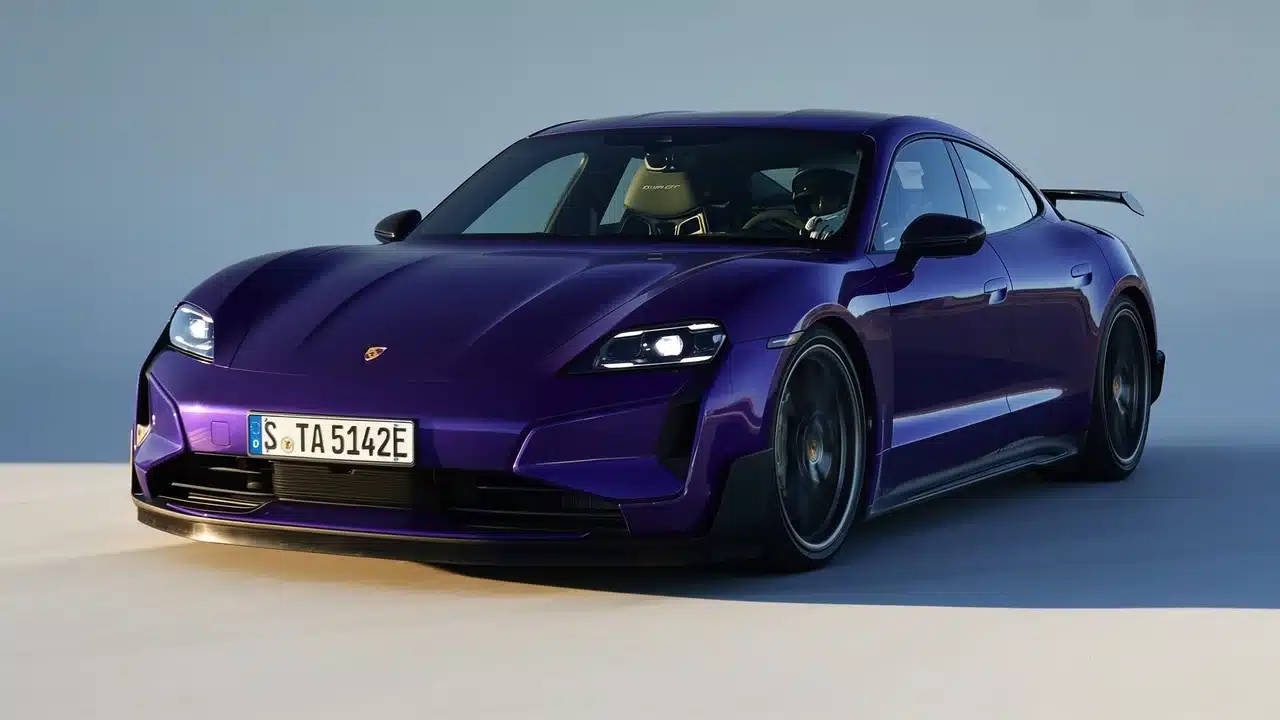
The Taycan Turbo GT with the Weissach Package is Porsche’s answer to the question of what happens when you strip weight out of an already fast EV. It is built for track days, not stoplight bragging rights.
| Feature | Details |
| 0-60 mph | 2.1 seconds (independent testing has recorded 1.89-1.94 seconds) |
| Power | 1,019 hp on Launch Control, up to 1,092 hp for two-second bursts |
| Top speed | 190 mph |
| Quarter mile | Around 9.1 seconds |
What sets the Weissach Package apart is what Porsche removed rather than what it added. The rear seats are gone, replaced by a carbon fiber shelf, and the whole car sheds roughly 150 pounds compared with the Turbo S.
That weight loss shows up in corners, not just in a straight line, and it is a big part of why this car set a production EV lap record at Germany’s Nurburgring.
Best for: Drivers who want the quickest tested EV feel paired with genuine track handling.
Keep in mind: The Weissach Package removes the rear seats and starts around $200,000.
2. Lucid Air Sapphire
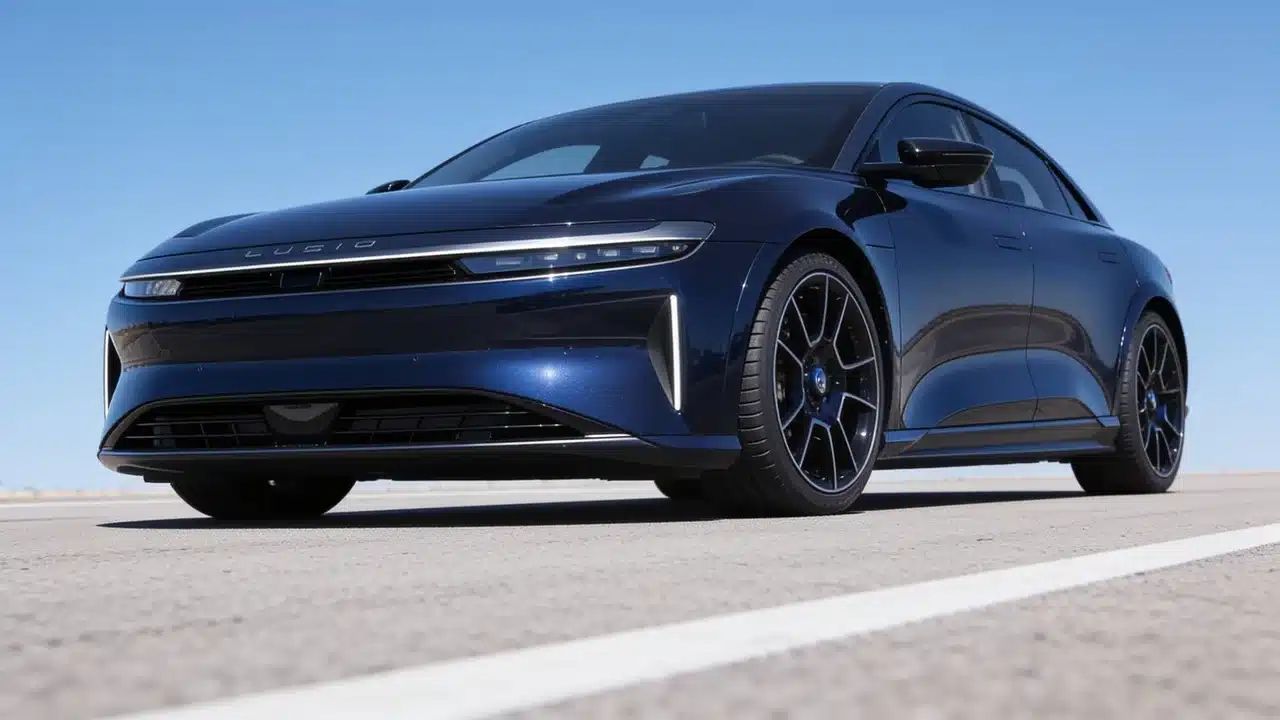
Lucid built the Air Sapphire to prove that a luxury sedan does not have to give up speed to keep its comfort. It is currently the quickest production car Lucid has ever sold, gas or electric.
| Feature | Details |
| 0-60 mph | 1.89 seconds official, 2.1-2.2 seconds in independent tests |
| Power | 1,234 hp and 1,430 lb-ft of torque from three motors |
| Top speed | 205 mph |
| Quarter mile | 8.95 seconds at 158 mph |
The tri-motor layout, one motor up front and two at the rear working through Lucid’s own torque-vectoring software, is what lets the Sapphire put down over 1,200 hp without spinning the tires into smoke.
It also carries an EPA-estimated 427-mile range, which is unusual for a car this quick. Most halo performance cars sacrifice range for speed; the Sapphire mostly does not, and it sits comfortably alongside Lucid’s own long-range EV lineup despite the horsepower.
Best for: Drivers who want the outright quickest EV without giving up range or cabin comfort.
Keep in mind: It starts around $249,000 fully equipped, nearly double the Model S Plaid.
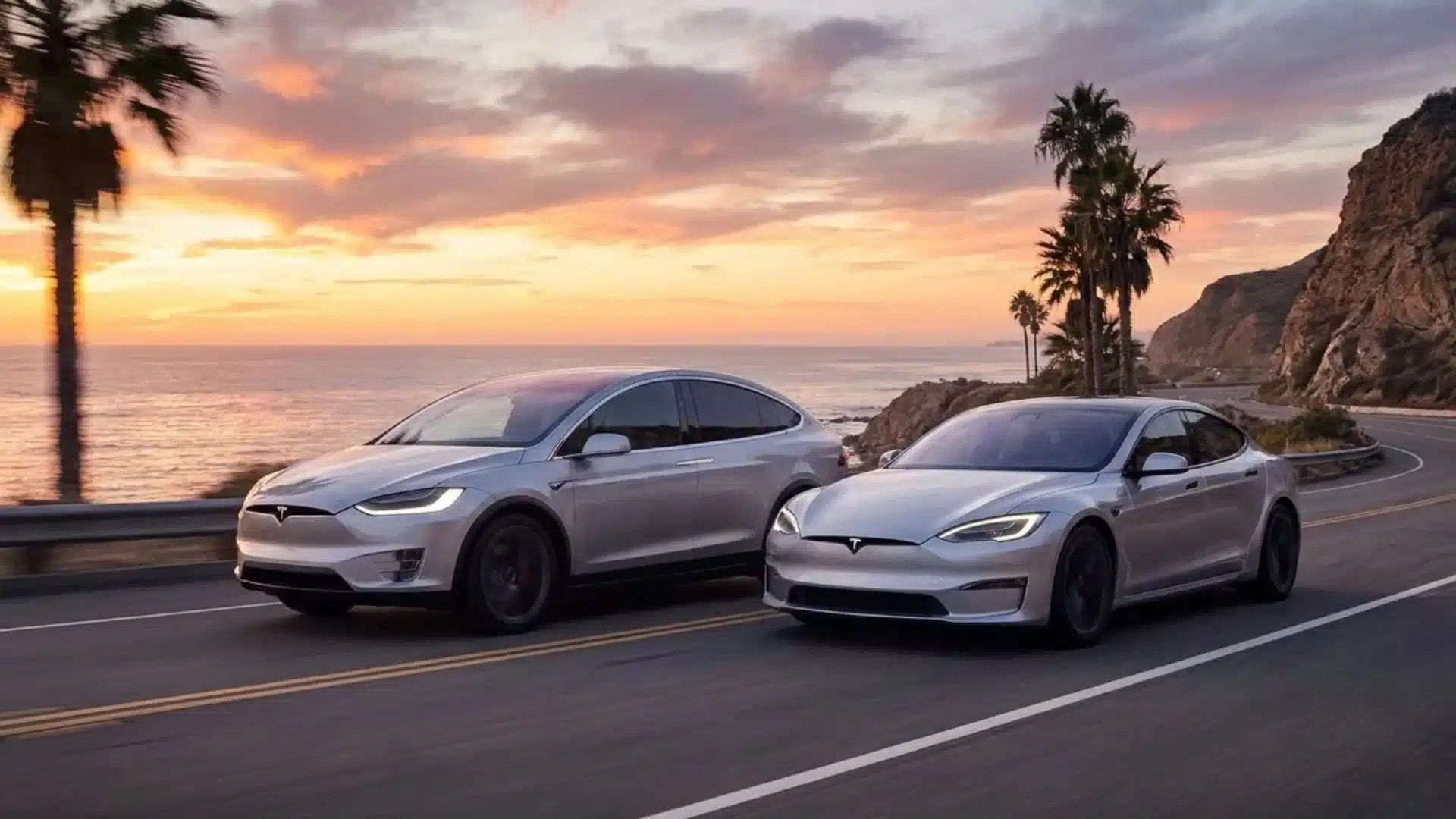
3. Tesla Model S Plaid
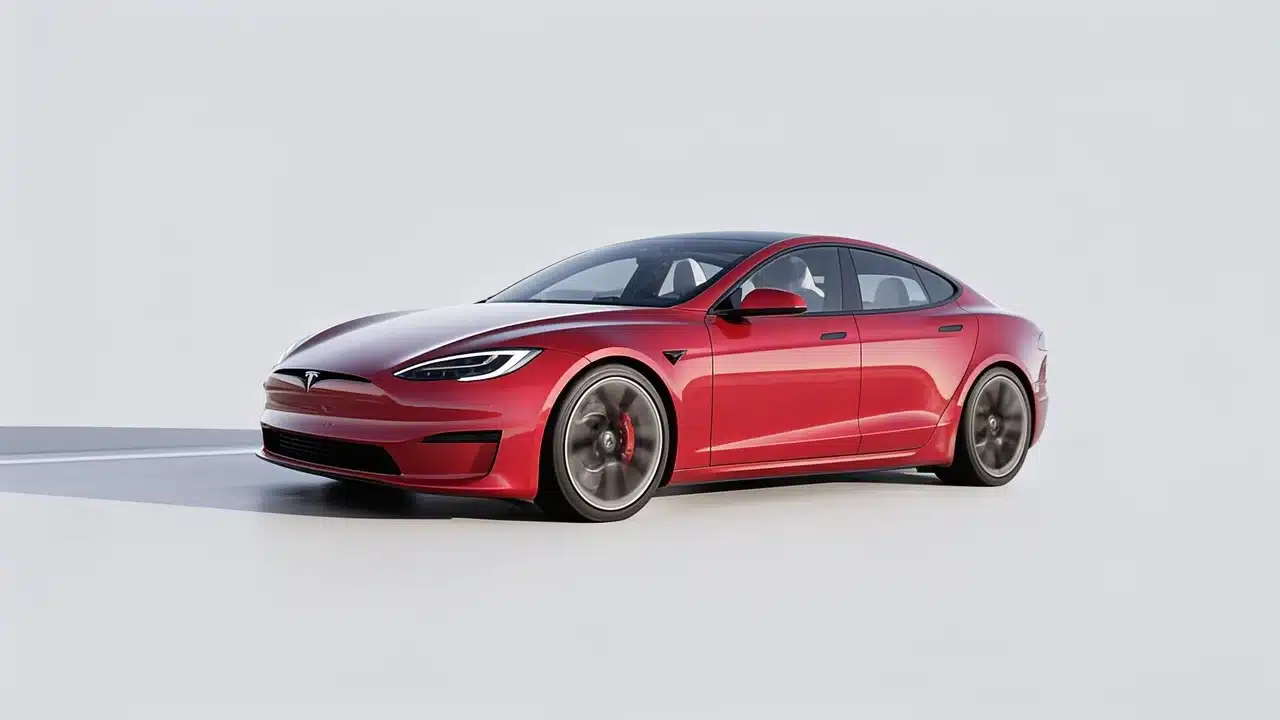
The Model S Plaid remains the benchmark most competitors get measured against, mainly because it puts supercar acceleration in a sedan you can genuinely drive every day.
| Feature | Details |
| 0-60 mph | 1.99 seconds official |
| Power | Around 1,020 hp from a tri-motor all-wheel-drive setup |
| Top speed | Up to 200 mph |
| Quarter mile | 9.23 seconds officially, quicker in some owner-recorded runs |
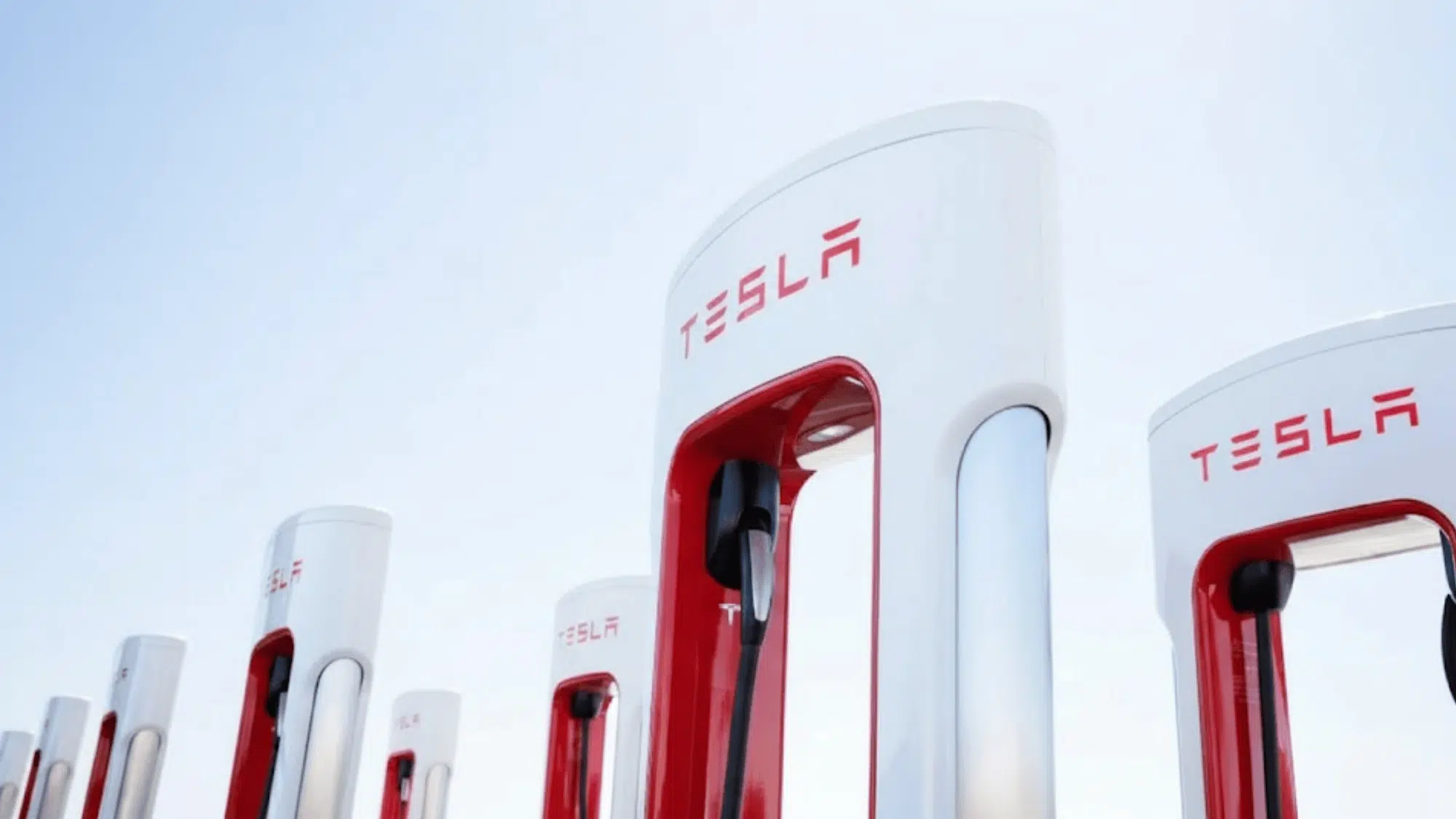
What makes the Plaid stand out is how normal it feels when you are not using all of that power. It has real trunk space, a usable back seat, and access to Tesla’s Supercharger network, so the acceleration is a party trick you can access on demand rather than a track-only feature.
If you are weighing how a fast sedan fits into daily use, it helps to understand the basics of EV charging time before assuming a big battery means long waits.
Best for: Drivers who want supercar-level speed in a sedan they can use every day.
Keep in mind: Hitting the claimed top speed requires specific tires and conditions.
4. Porsche Taycan Turbo S
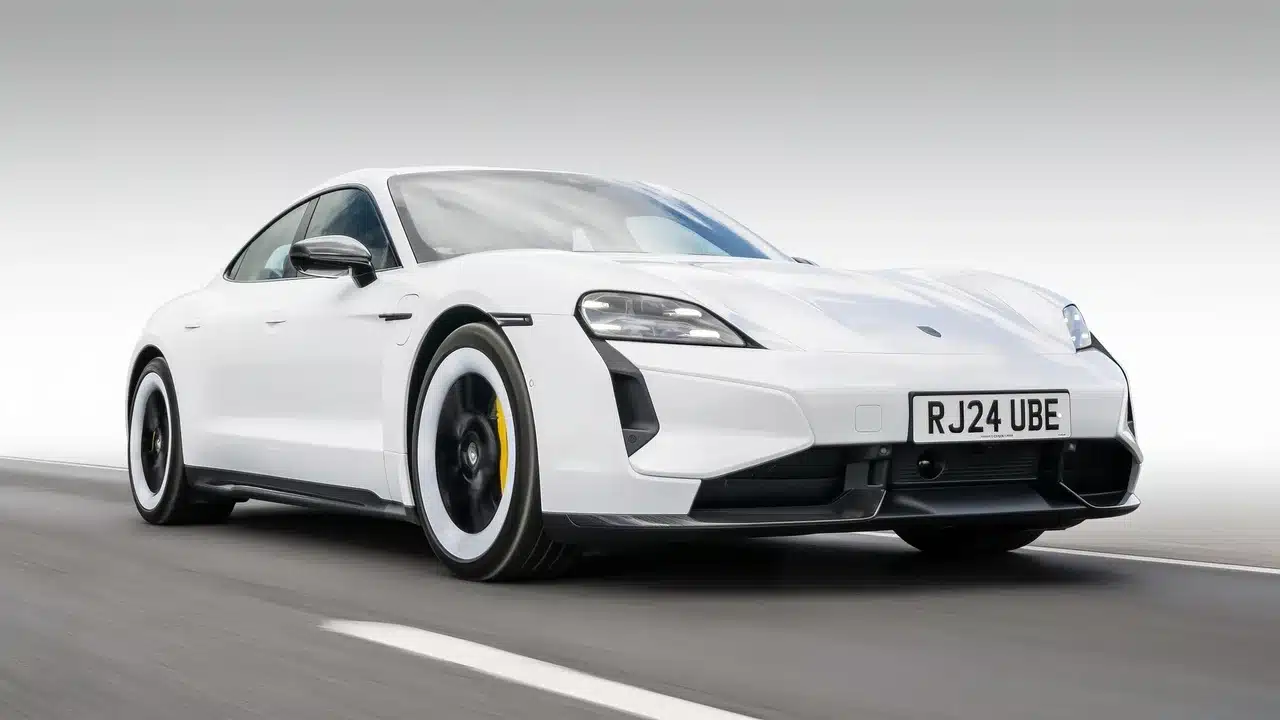
Drop the Weissach Package, and you get the Taycan Turbo S, a car that trades a little straight-line speed for more usability and a rear seat that still exists.
| Feature | Details |
| 0-60 mph | Around 2.4 seconds |
| Power | Up to 750 hp with Launch Control |
| Top speed | 162 mph |
| Quarter mile | Around 10.3 seconds |
The Turbo S is not just about the first two seconds. Its steering feel, brake bite, and body control hold up through repeated hard driving in a way that heavier EVs often cannot match, which is a big reason it still shows up in enthusiast comparisons years after launch.
Best for: Drivers who care about handling and braking as much as straight-line speed.
Keep in mind: Range and cabin space trail some rivals at this price.
5. Tesla Cybertruck Beast
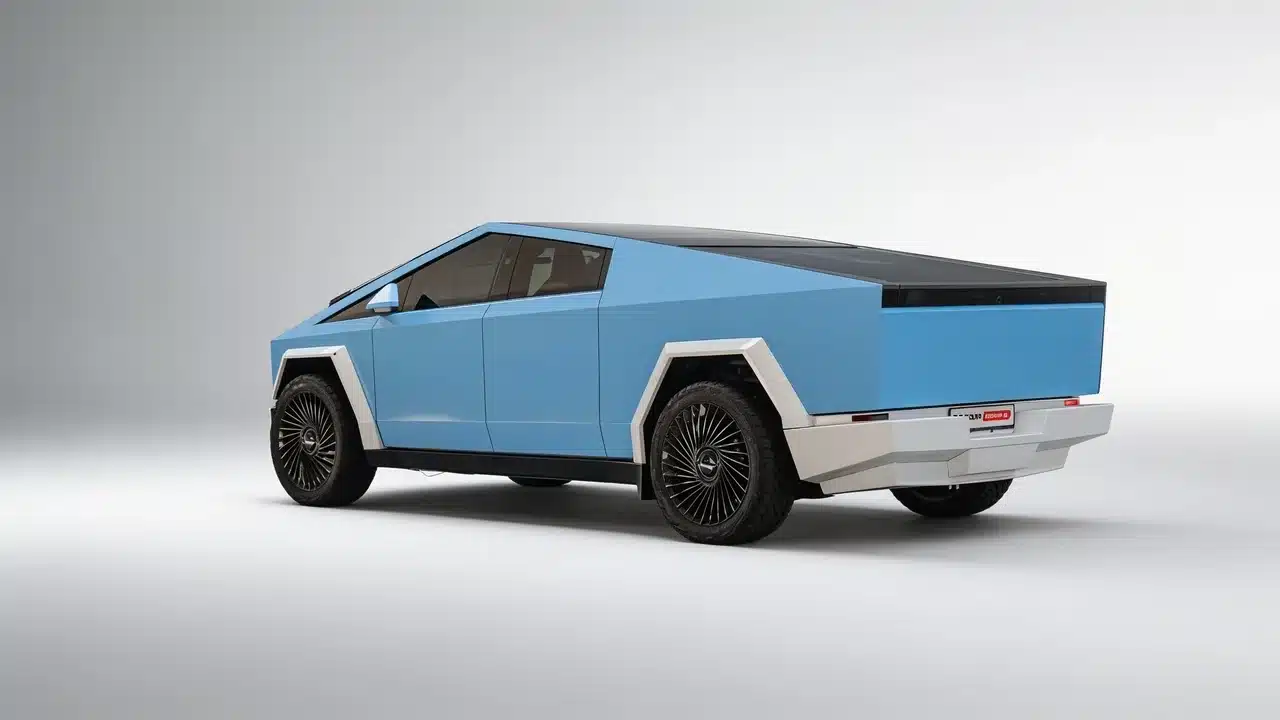
Many buyers assume trucks are inherently slower than sedans because of their size. The Cybertruck Beast is proof that assumption no longer holds once you put three motors under a 6,600-pound body.
| Feature | Details |
| 0-60 mph | Around 2.6 seconds |
| Power | Around 845 hp from a tri-motor all-wheel-drive setup |
| Top speed | Around 130 mph |
| Quarter mile | Around 11.0 seconds |
The Beast is best judged as a fast truck rather than a disguised sports car. It hauls, tows, and clears rough terrain, but its weight still shows up at the brake pedal and in tight parking lots, so the acceleration numbers only tell half the story.
Best for: Buyers who want serious acceleration without giving up truck utility.
Keep in mind: Its size and weight matter more in daily driving than the spec sheet suggests.
6. Rivian R1T Quad-Motor
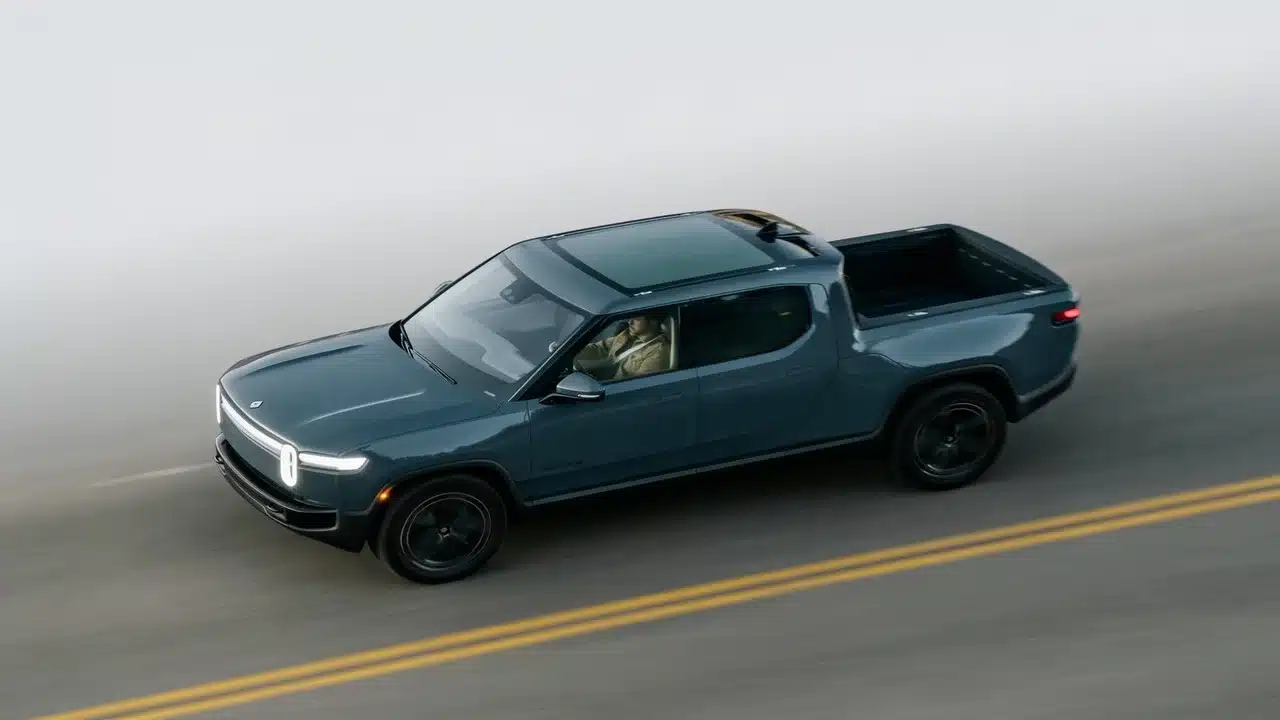
Rivian gave the R1T Quad-Motor four independent motors, one per wheel, which is overkill for a grocery run but genuinely useful off-road and shockingly quick on pavement.
| Feature | Details |
| 0-60 mph | Around 2.5 seconds |
| Power | Up to 1,025 hp from four motors |
| Top speed | Around 130 mph |
| Quarter mile | Around 10.4 seconds |
Each wheel getting its own motor means Rivian’s software can send torque exactly where it is needed, whether that’s clawing up a rock ledge or keeping the truck planted during a hard launch on tarmac. Few trucks manage both jobs this well.
Best for: Buyers who want pickup utility with genuinely sports-car-like acceleration.
Keep in mind: Tire wear and efficiency both suffer under the extra weight.
7. Rivian R1S Quad-Motor
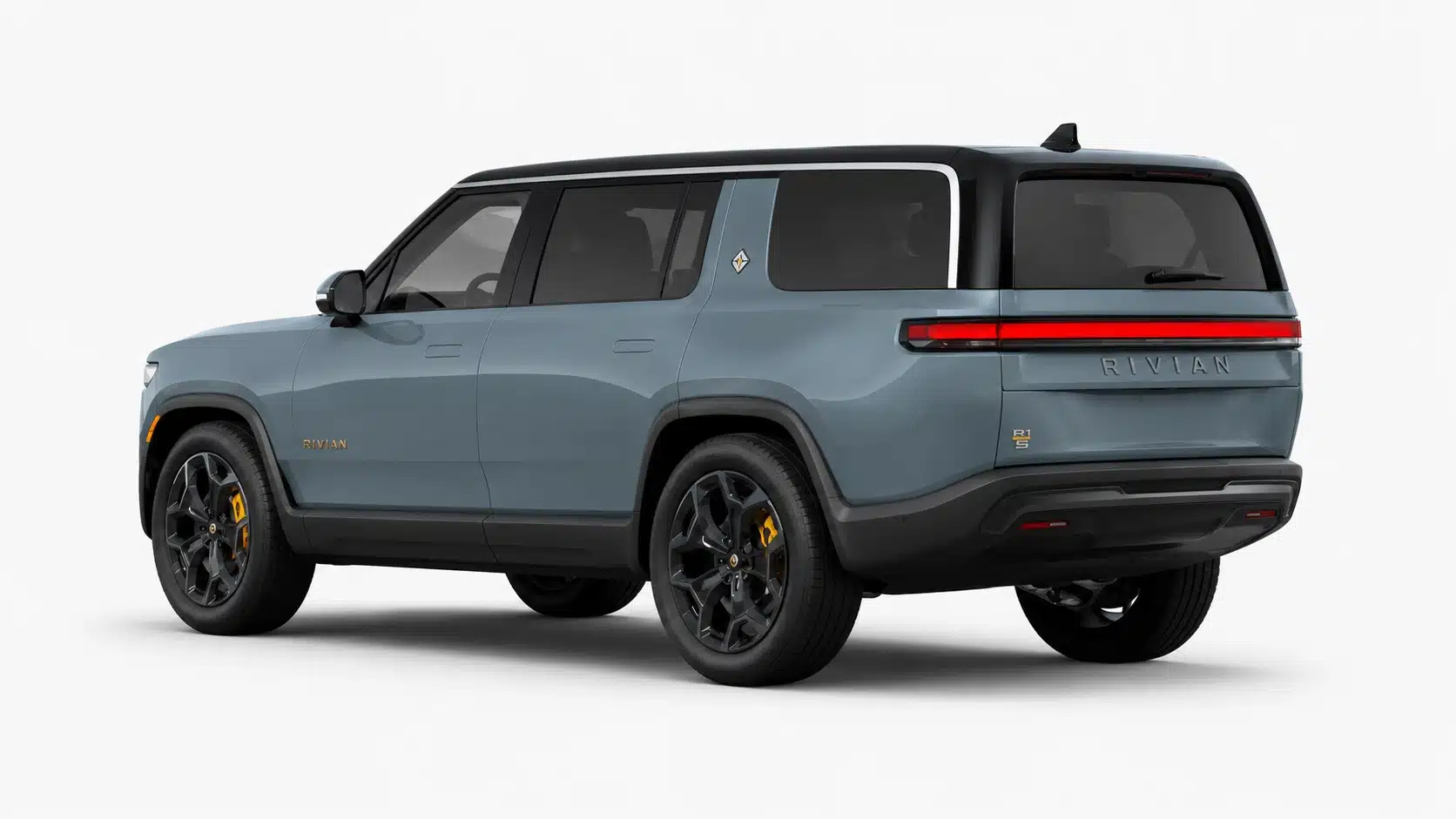
The R1S shares its drivetrain with the R1T but wraps it in a three-row SUV body, which makes its acceleration numbers more surprising given how much interior space it carries.
| Feature | Details |
| 0-60 mph | Around 2.6-2.9 seconds depending on test conditions |
| Power | Up to 1,025 hp in Quad-Motor trim |
| Top speed | Around 130 mph |
| Quarter mile | Around 10.5-11.1 seconds |
Few three-row SUVs on the market can seat six and still launch like a performance sedan. That combination is what makes the R1S stand out from other family-hauling EVs more than the raw numbers do.
Best for: Families who want SUV space without giving up serious EV speed.
Keep in mind: Curb weight affects tire wear, efficiency, and tight city driving.
8. Tesla Model 3 Performance
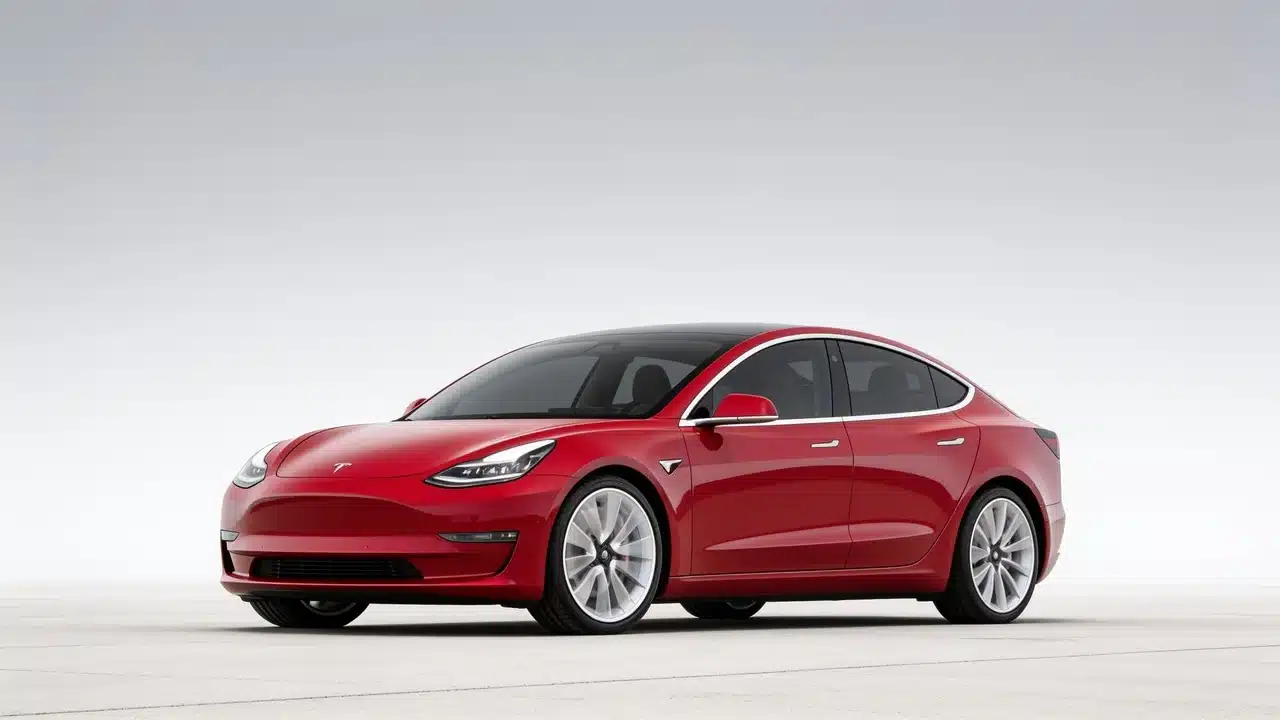
The Model 3 Performance is the car on this list most people could actually justify buying, since it delivers real acceleration without the six-figure price tag attached to everything above it.
| Feature | Details |
| 0-60 mph | Around 2.9 seconds |
| Power | Around 510 hp from a dual-motor all-wheel-drive setup |
| Top speed | Around 163 mph |
| Quarter mile | Around 11.0 seconds |
It is smaller, easier to park, and starts under $55,000, which is a fraction of what the Sapphire or Taycan Turbo GT costs. You give up some ride comfort and cabin polish, but the acceleration still feels genuinely quick in daily driving, not just on paper.
Best for: Drivers who want real EV performance at a reachable price.
Keep in mind: Ride quality and interior materials trail the luxury options on this list.
9. Hyundai Ioniq 5 N
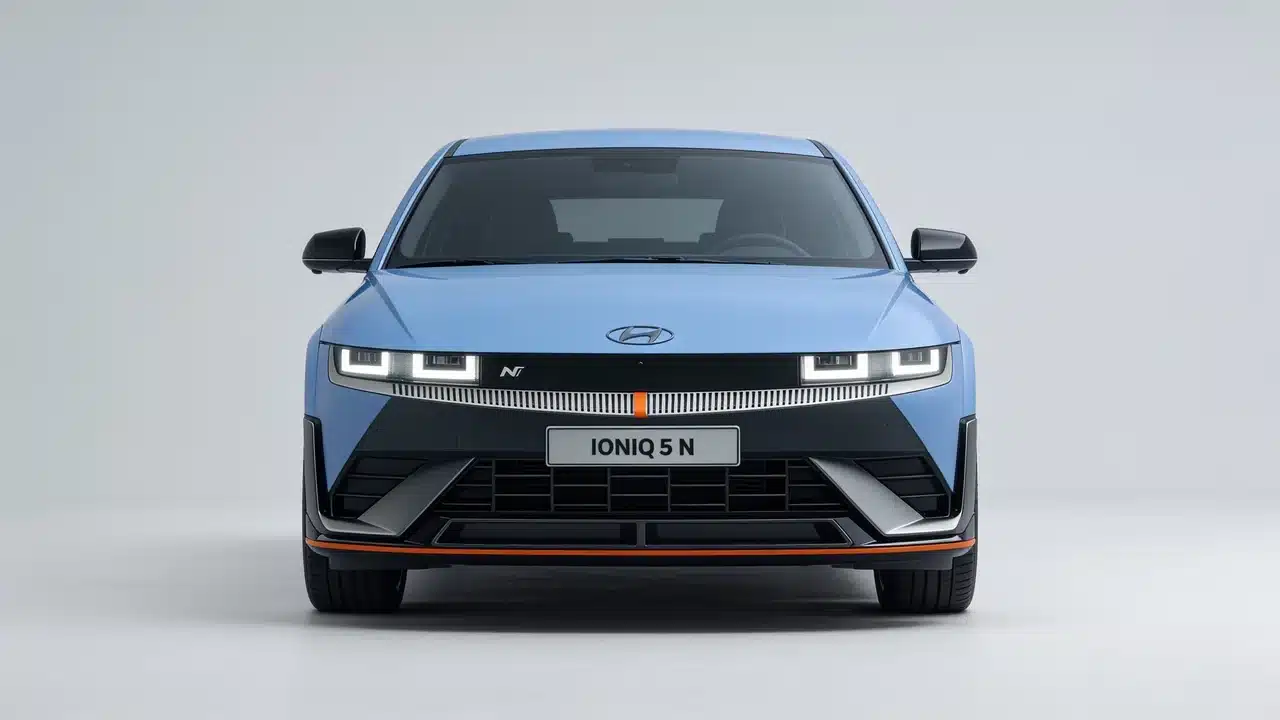
Hyundai built the Ioniq 5 N to feel like something a driving enthusiast would actually want, not just a spec-sheet exercise, and that shows in details most rivals skip entirely.
| Feature | Details |
| 0-60 mph | Around 3.25 seconds with N Grin Boost |
| Power | Up to 641 hp from a dual-motor all-wheel-drive setup |
| Top speed | Around 162 mph |
| Quarter mile | Around 11.2 seconds |
Its simulated gearshifts and synthetic engine sound sound gimmicky on paper, but they give the car a personality most silent EVs lack. It is not the quickest car here, but it may be the most fun to actually drive on a back road.
Best for: Drivers who want speed with character, not just a low 0-60 number.
Keep in mind: Its N-specific features matter more to enthusiasts than casual buyers.
10. Audi RS e-tron GT
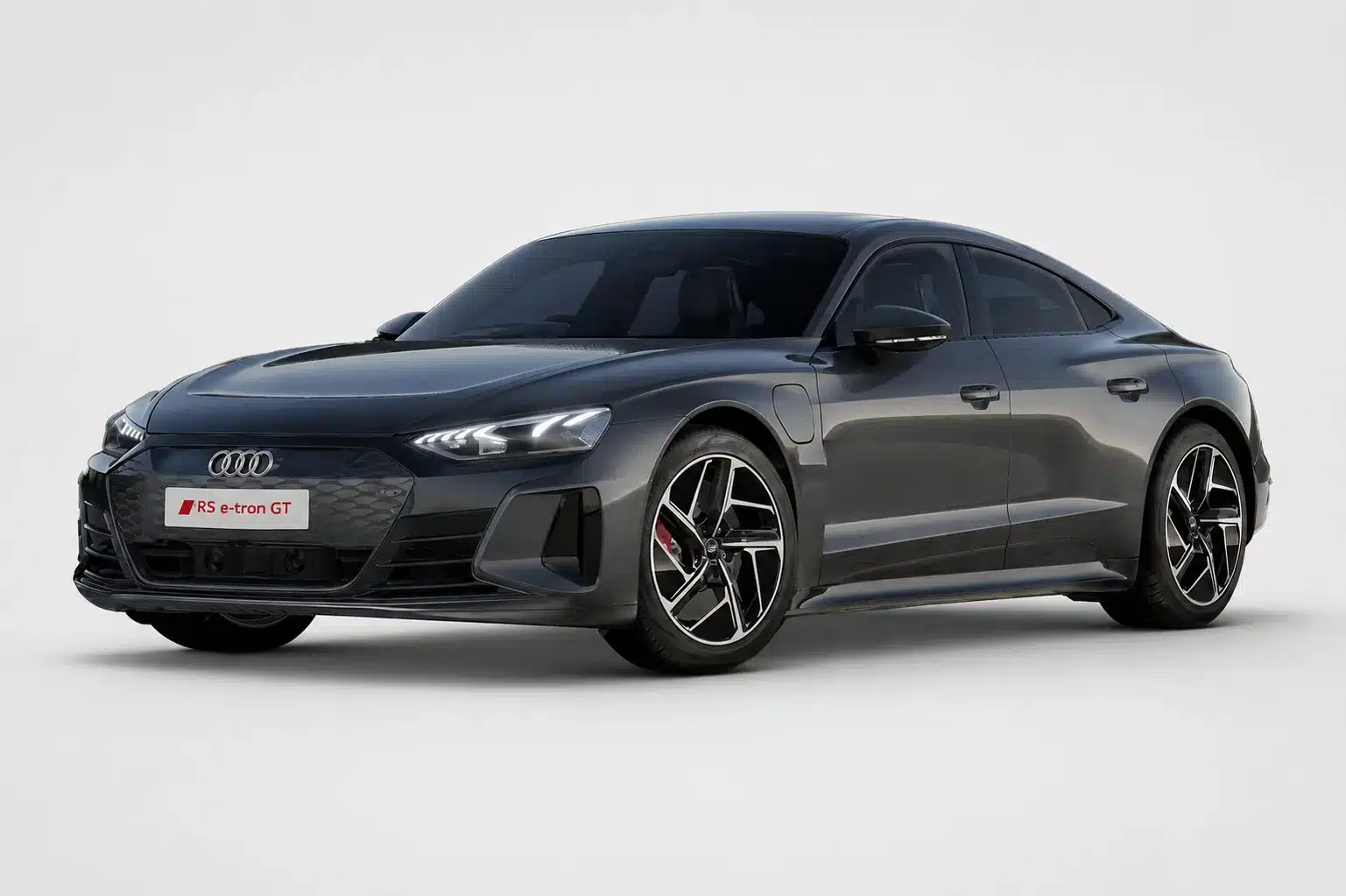
Audi took a different approach with the RS e-tron GT, prioritizing a calm, quiet cabin over the raw drama that defines most of this list.
| Feature | Details |
| 0-60 mph | Around 2.9 seconds |
| Power | Around 637 hp from a dual-motor all-wheel-drive setup |
| Top speed | Around 155 mph |
| Quarter mile | Around 11.0 seconds |
It does not chase the wildest numbers on this list, and that is the point. The cabin stays quiet under hard acceleration, the ride stays composed, and the whole car feels like it was tuned for a daily commute that occasionally gets exciting.
Best for: Drivers who want quick acceleration wrapped in genuine luxury comfort.
Keep in mind: It trails the top cars here on every raw performance number.
11. Porsche Macan Electric Turbo
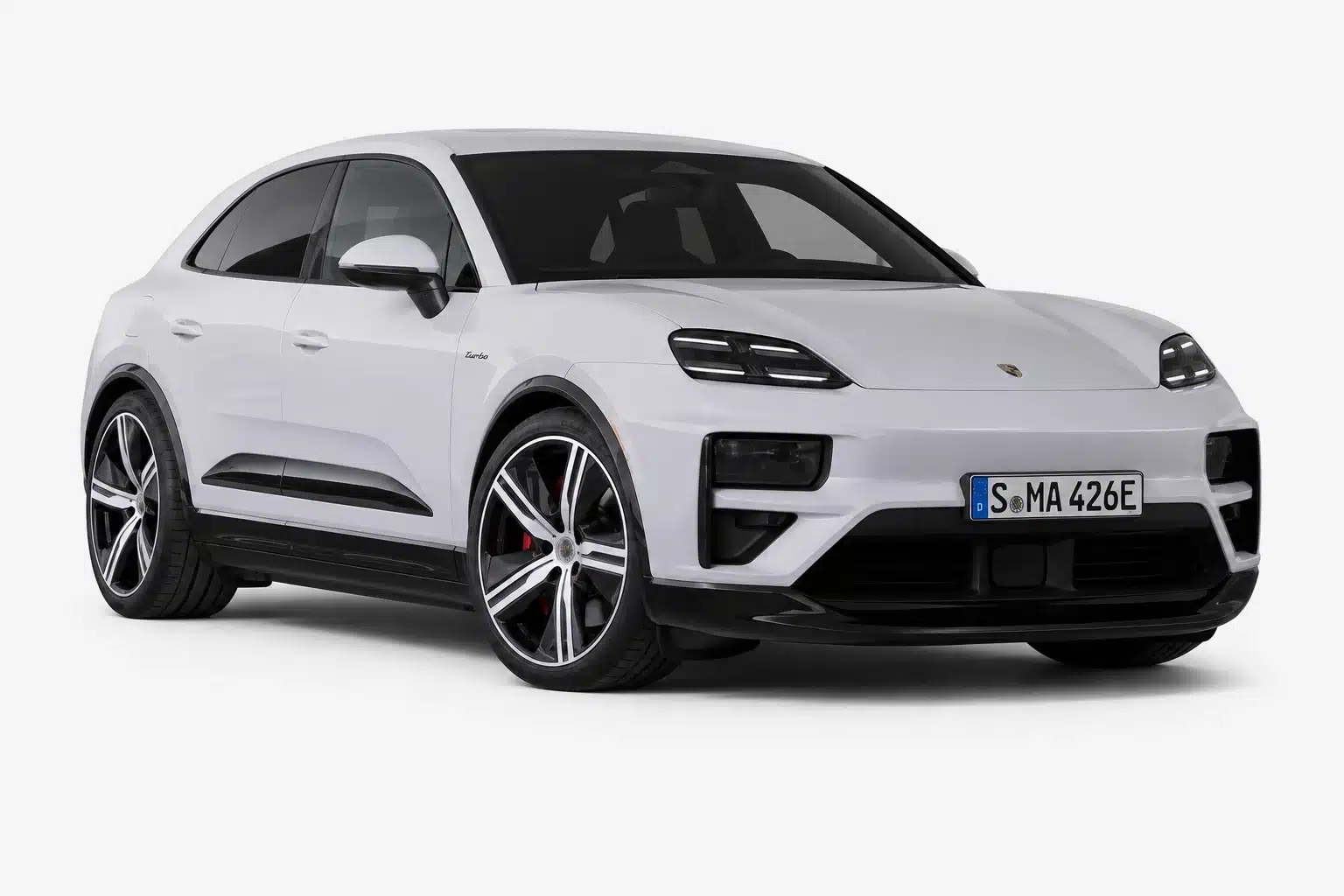
The Macan Electric Turbo brings Porsche’s performance reputation into a shape most buyers actually want: a compact SUV with a higher seating position and real cargo space.
| Feature | Details |
| 0-60 mph | Around 3.0 seconds |
| Power | Up to 630 hp from a dual-motor all-wheel-drive setup |
| Top speed | Around 162 mph |
| Quarter mile | Around 11.1 seconds |
This is the pick for someone who wants Porsche-level acceleration but does not want a low sedan or a full-size truck. It gives up a little of the drama the Taycan has, but it makes up for that with the practicality that SUV buyers actually shop for.
Best for: Drivers who want Porsche-like speed in a compact SUV body.
Keep in mind: It costs more than several electric SUVs with similar daily practicality.
Quick Comparison: Top 5 by 0-60 mph
| Model | 0-60 mph | Top Speed | Starting Price |
| Lucid Air Sapphire | 1.89 sec | 205 mph | $249,000 |
| Porsche Taycan Turbo GT Weissach | 2.1 sec | 190 mph | $200,000 |
| Tesla Model S Plaid | 1.99 sec | 200 mph | $108,490 |
| Porsche Taycan Turbo S | 2.4 sec | 162 mph | $189,900 |
| Tesla Cybertruck Beast | 2.6 sec | 130 mph | $99,990 |
What Fast Acceleration Actually Costs You
A 0-60 number under 3 seconds sounds thrilling in a spec sheet, but most drivers never use that acceleration on public roads. Where it actually matters is in highway merges and passing maneuvers, where instant torque genuinely reduces risk compared with waiting for a gas engine to downshift.
The tradeoffs are real, though. Performance tires wear faster under hard launches, insurance premiums are higher on cars with six-figure price tags, and aggressive driving drains range faster than EPA estimates suggest, especially in cold weather.
Before buying any car on this list, check the battery warranty terms, tire replacement costs, and your access to home or public charging.
A fast EV can still save you money on fuel, but performance tires and insurance premiums can offset a good chunk of that.
Frequently Asked Questions
Here are eight completely unique Frequently Asked Questions (FAQs) that address crucial high-performance EV topics not already covered in your blog text.
Frequently Asked Questions
How does regenerative braking handle stopping a heavy EV at high speeds?
While regenerative braking handles the vast majority of daily driving deceleration, it cannot safely halt a heavy, high-velocity performance EV on its own during track runs. At high speeds, the kinetic energy is too massive for the electric motors to convert back into electricity without overloading the inverter. Because of this, cars like the Porsche Taycan Turbo GT and Lucid Air Sapphire rely heavily on massive carbon-ceramic physical brakes to provide the friction needed to shed triple-digit speeds safely.
Why do fast EVs use multi-motor setups instead of just one large motor?
A single electric motor capable of delivering 1,000+ horsepower would be massive, heavy, and difficult to package efficiently. By splitting the power across three or four smaller motors (like the Lucid Air Sapphire or Rivian Quad-Motor), manufacturers achieve a much higher power density. More importantly, multi-motor layouts allow for advanced torque vectoring—the software can independently accelerate or brake individual wheels in milliseconds, actively pushing the car through corners to mask its heavy curb weight.
What is a “rollout” and how does it change independent 0-60 mph times?
A rollout is a drag-strip standard where the first 12 inches of a vehicle’s forward movement are excluded from the timer. Manufacturers and some automotive magazines subtract this initial foot (which takes about 0.2 seconds) to publish lower, more aggressive 0-60 mph specs. If you measure a car from a true, literal standstill without a rollout—often called a “0-foot rollout”—an advertised 1.99-second car will usually clock closer to 2.2 seconds in the real world.
Does a fast EV require a different alignment setup than a standard car?
Yes. Performance EVs are often engineered with more aggressive “camber” and “toe” alignment settings straight from the factory to help stabilize their massive weight through high-speed corners. While this optimizes track handling and straight-line stability under extreme torque, it has a major downside: it unevenly distributes weight across the tire tread, causing the inner edges of the tires to wear out significantly faster during regular highway driving.
How does track driving affect an electric car’s warranty compared to a gas car?
Track day coverage varies wildly by manufacturer. For example, Hyundai explicitly covers track use for the Ioniq 5 N under its factory warranty, provided you aren’t entering timed competitive racing. Conversely, other brands use built-in data loggers to detect repeated extreme battery heat and launch sequences; if they determine the vehicle was abused on a closed course beyond standard street parameters, they may void coverage for expensive drivetrain components like the battery pack or inverters.
Why do high-performance EVs rarely feature multi-speed transmissions?
Electric motors spin efficiently from 0 to 16,000+ RPM, meaning a single-speed direct drive is typically all that is needed to handle both hard launches and highway cruising. Adding a multi-speed gearbox introduces mechanical friction, added weight, maintenance liabilities, and shift delays that slow down acceleration. The notable exception is Porsche, which utilizes a unique 2-speed transmission on the rear axle of certain Taycan models to maximize low-speed launch grip while maintaining high-speed highway efficiency.
How does charging a performance EV at a racetrack work?
Track charging is currently one of the biggest hurdles for EV enthusiasts. Continuous hot laps drain a massive battery pack in as little as 20 to 30 minutes. If the track does not feature dedicated DC fast chargers on-site, drivers are forced to use slow Level 2 paddock plugs, which can take several hours to recharge the pack, or leave the track entirely mid-day to find a nearby commercial charging station.
Does cold weather affect an EV’s acceleration, or just its total range?
Cold weather directly degrades both. When a battery pack drops below its optimal operating temperature, chemical reactions inside the cells slow down significantly. This limits the maximum current the battery can discharge at a moment’s notice. Even if you activate a launch control mode, a cold battery cannot deliver its peak horsepower output until the vehicle’s thermal management system can artificially warm the pack back up.
Final Thoughts
Owning a hyper-quick EV is about much more than surviving a sub-two-second launch control run. You’ll look at how thermal management keeps batteries cool and why instant torque beats high horsepower every single time.
Balancing raw velocity with heavy curb weights determines how these vehicles handle corners and daily highway merges.
I believe understanding these practical trade-offs helps you choose among the fastest electric cars without getting blinded by simple spec sheets.
Premium tires and insurance are major factors to weigh before buying any performance model.
What matters most to you when shopping for a high-performance vehicle? Drop your thoughts in the comments below, or share this guide with a fellow automotive enthusiast today.