
When I started learning about electric vehicles, the charging options felt like a maze of plugs, cables, and acronyms.
That’s when I came across CCS charging, a system that finally made sense. It offered the speed and convenience I needed without the confusion.
Here, you’ll get a clear look at what it really is, how it works, and why it’s used by most modern EVs. You’ll also learn how it compares with other charging types, what makes it so practical, and how to find stations near you.
By the end, you’ll understand how to use a charger confidently and make every charging stop faster, safer, and more convenient.
What is CCS Charging?
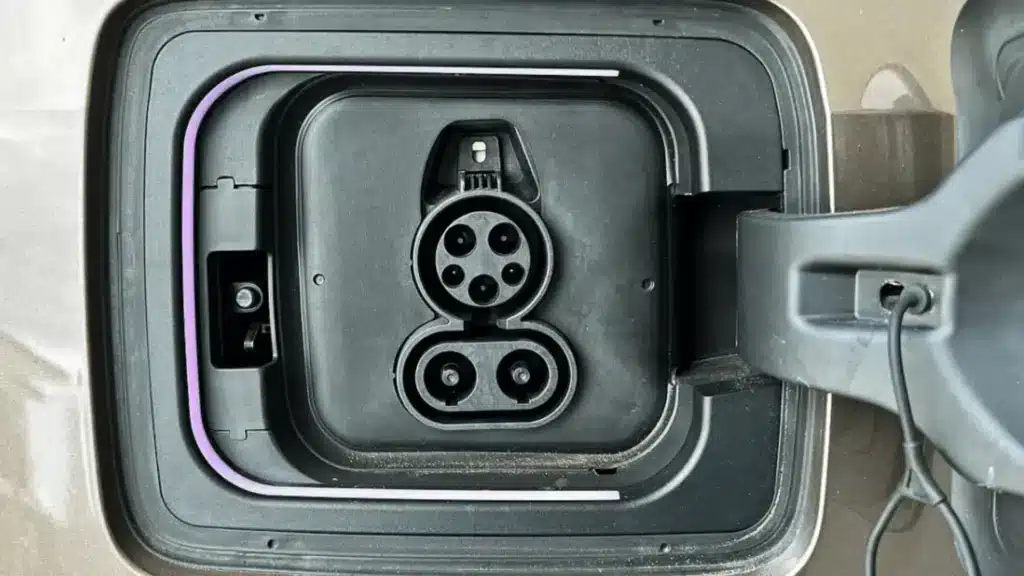
CCS stands for Combined Charging System, and it is one of the most widely used fast-charging standards for electric vehicles today. It works by combining AC and DC power into one single port, so you never need two separate plugs.
Back in 2012, major car brands like BMW, Ford, and Volkswagen came together with one clear goal: to create a single plug that works everywhere.
Before this, every brand had its own connector, which made public charging messy and confusing for drivers. It solved that problem by bringing everything under one reliable standard.
Since then, it has grown into the go-to fast charging option powering most public chargers across Europe and North America.
Inside the CCS Connector
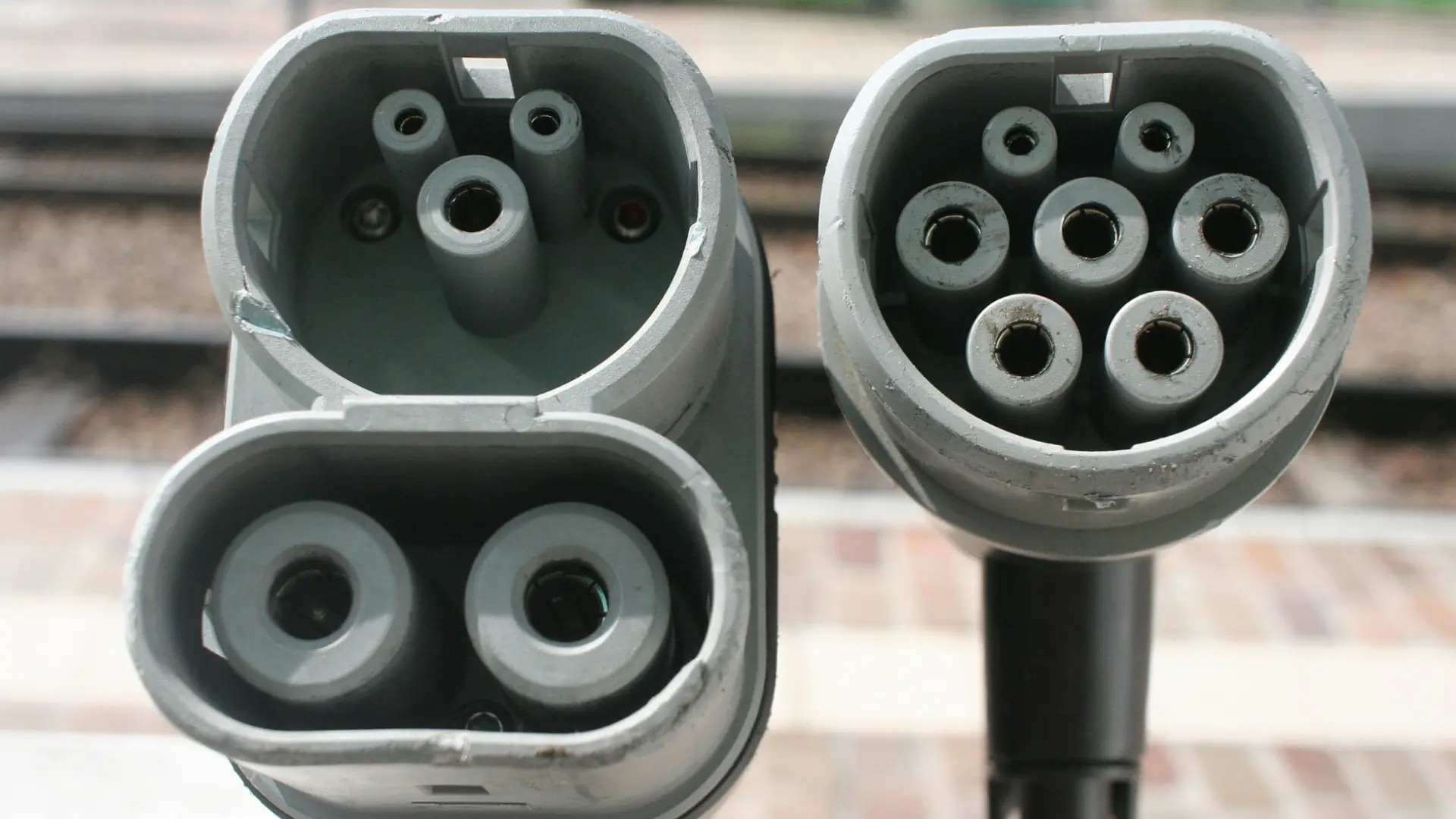
The CCS connector looks simple from the outside, but there is a lot going on inside. Every pin, wire, and safety feature works together to make fast and safe charging possible:
- Dual-Pin Design for AC and DC: This uses two large pins for DC and smaller ones for AC, allowing both charging types through a single port.
- Built-In Cooling for High-Power Cables: The cables use liquid or air cooling to manage the heat generated during fast charging and keep power delivery steady.
- Communication Wires for Smart Charging: Built-in wires let your EV and charger exchange real-time data to set power levels and monitor heat safely.
- Safety Lock During Charging: A built-in locking mechanism keeps the plug firmly in place to prevent accidental disconnections during the session.
- Plug and Charge Authentication: Your EV identifies itself automatically when plugged in, so charging starts instantly with no app or card needed.
Understanding what happens inside the connector helps you see why it is trusted for fast charging worldwide. It is a small piece of hardware doing a very big and important job every single time.
How the Combined Charging System Works?
CCS charging works by pushing a large amount of power directly into your car’s battery in a short amount of time.
Unlike a standard Level 2 AC charger that delivers between 7 and 19 kW, CCS fast chargers start at 50 kW and can go all the way up to 350 kW.
That is a massive jump in speed. In simple terms, a Level 2 charger might take several hours to fill your battery, while a CCS charger can add around 100 miles of range in just 10 to 20 minutes.
The actual speed you get depends on your car’s ability to accept power and the charger’s output capacity.
Advantages of CCS Charging
I have noticed that this brings real benefits that actually make a difference in everyday EV life. Here’s what sets it apart:
1. Faster Charging Times
These charges are significantly faster than CHAdeMO and are competitive with Tesla Superchargers. CHAdeMO tops out at around 100 kW, while it can reach up to 350 kW. On a long trip, that difference is huge.
This charger can add around 100 miles of range in as little as 10 minutes. That makes stopping to charge feel much more like a quick coffee break.
2. Wide Network Availability
These chargers are available across thousands of locations worldwide. Major networks like Electrify America and Ionity have built their infrastructure entirely around the CCS standard.
This means finding a fast charger on a road trip is getting easier every year. More availability means less range anxiety and more confidence for everyday drivers. The network is still growing and showing no signs of slowing down.
3. Future-Proofing for the EV Industry
The Combined Charging System is built to grow alongside EV technology. It already supports 800V charging systems, which are becoming more common in newer vehicles. Ultra-fast charging upgrades can be rolled out without replacing the entire connector standard.
This makes it a smart long-term investment for both drivers and charging infrastructure providers. It is designed to handle whatever comes next in the EV world.
4. Cost-Effectiveness
A universal standard like this helps keep costs down for everyone involved. Manufacturers save money by building one compatible system instead of multiple versions.
Charging station operators benefit from economies of scale when installing its hardware. Those savings gradually pass down to drivers through more affordable charging rates. It is one of the clearest financial wins that comes with a widely adopted standard.
Challenges and Limitations of CCS Charging
This has come a long way, but it still has a few hurdles to clear before it works perfectly for everyone. These are honest challenges that the industry is actively working to fix:
| Challenge | Current Situation | Impact on Drivers | Efforts to Improve |
|---|---|---|---|
| Infrastructure Availability | These chargers are common in cities but sparse in rural and less developed areas | Drivers in remote areas face longer gaps between charging stops | Governments and networks are funding expansion into underserved regions |
| Charging Speed Limitations | Ultra-fast chargers above 150 kW are still not widely available everywhere | Older EVs with smaller batteries cannot always use maximum charging speeds | More high-power chargers are being installed along major highways and corridors |
| Compatibility with Older EVs | Some older EV models and certain manufacturers use different connector standards | Drivers may need adapters or may not have access to it at all | Adapter solutions and updated protocols are being developed to bridge the gap |
I have realized that every charging standard goes through growing pains, and this is no different. What I have seen so far gives me confidence that these limitations will shrink as infrastructure and technology continue to improve.
How to Use the Combined Charging System for Your EV?
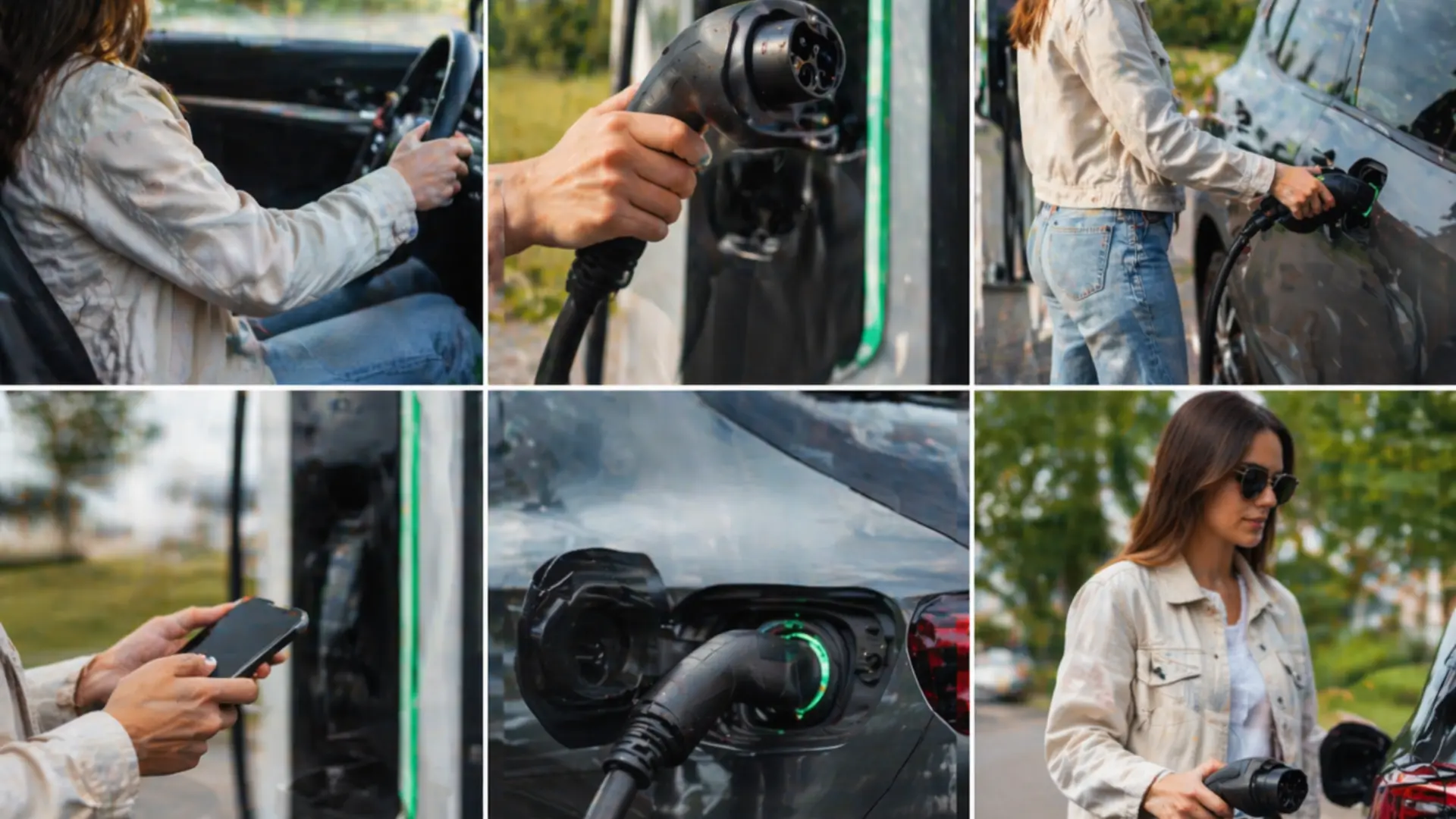
Charging at a CCS station is straightforward once you know what to expect. Here is a simple step-by-step guide to walk you through the whole process:
- Step 1: Pull up to an open CCS charging station and make sure your car’s charging port is unlocked and ready.
- Step 2: Pick up the connector from the charger and plug it firmly into your vehicle’s charging port until it clicks.
- Step 3: Pay for your session using a credit card, a charging network app, or an RFID card, depending on the station’s payment options.
- Step 4: Wait for the charger to communicate with your vehicle and confirm the session has started before walking away.
- Step 5: Return to your vehicle once it reaches your desired charge level, then unplug the connector safely to end the session.
I have found that the whole process becomes second nature after your first few times. Most sessions are smooth, quick, and much easier than people expect once you have tried it yourself.
How to Find CCS Chargers Near You?
Finding CCS chargers is easier than ever, thanks to the charging apps and maps.
If you are new to finding EV stations or already familiar with the process, platforms like PlugShare, ChargePoint, Electrify America, and Google Maps let you filter stations by connector type, power level, and price.
These apps also show real-time availability, so you can plan stops without waiting in line. The cost of this fast charging typically ranges from $0.30 to $0.60 per kWh, depending on the provider and location.
Charging to 80% usually takes 20–40 minutes, depending on your vehicle’s battery size and the charger’s power output.
To charge efficiently, precondition your battery (warm or cool it before charging), unplug promptly after charging to avoid idle fees, and plan charging stops around meals or breaks.
This helps you save time, reduce costs, and make every stop more productive.
CCS vs. Other EV Charging (NACS, CHAdeMO, Type 2) Standards
There are several charging standards for electric vehicles, and each has its strengths. Here’s how it compares with NACS, CHAdeMO, and Type 2 connectors in terms of speed, network coverage, supported car brands, and ease of use:
| Feature | CCS (Combined Charging System) | NACS (North American Charging Standard) | CHAdeMO | Type 2 (Mennekes) |
|---|---|---|---|---|
| Charging Speed | Up to 350 kW (DC fast charging) | Up to 250–350 kW (DC fast charging) | Up to 100 kW | Up to 22 kW (AC only) |
| Charging Type | AC + DC combined | DC + AC integrated | DC only | AC only |
| Availability | Widely available in North America and Europe | Expanding rapidly in North America | Declining availability outside Japan | Common in Europe for home and public AC charging |
| Supported Brands | Ford, VW, BMW, Hyundai, Kia, Tesla (new models) | Tesla, Ford, GM, Rivian, Volvo (new adopters) | Nissan, Mitsubishi | Most European EVs (Audi, Mercedes, Renault) |
| Ease of Use | Larger plug, two-in-one design | Small, lightweight plug | Bulky and outdated design | Slim and easy to handle |
| Adapters | Works with Type 1/Type 2 | Adapters are available | Limited adapter options | Often used with the CCS combo plug |
While CCS remains the most common fast-charging standard globally, NACS is gaining traction in North America as more automakers adopt Tesla’s connector. CHAdeMO is gradually being phased out, and Type 2 remains popular for AC home charging across Europe.
The Future of the Combined Charging System
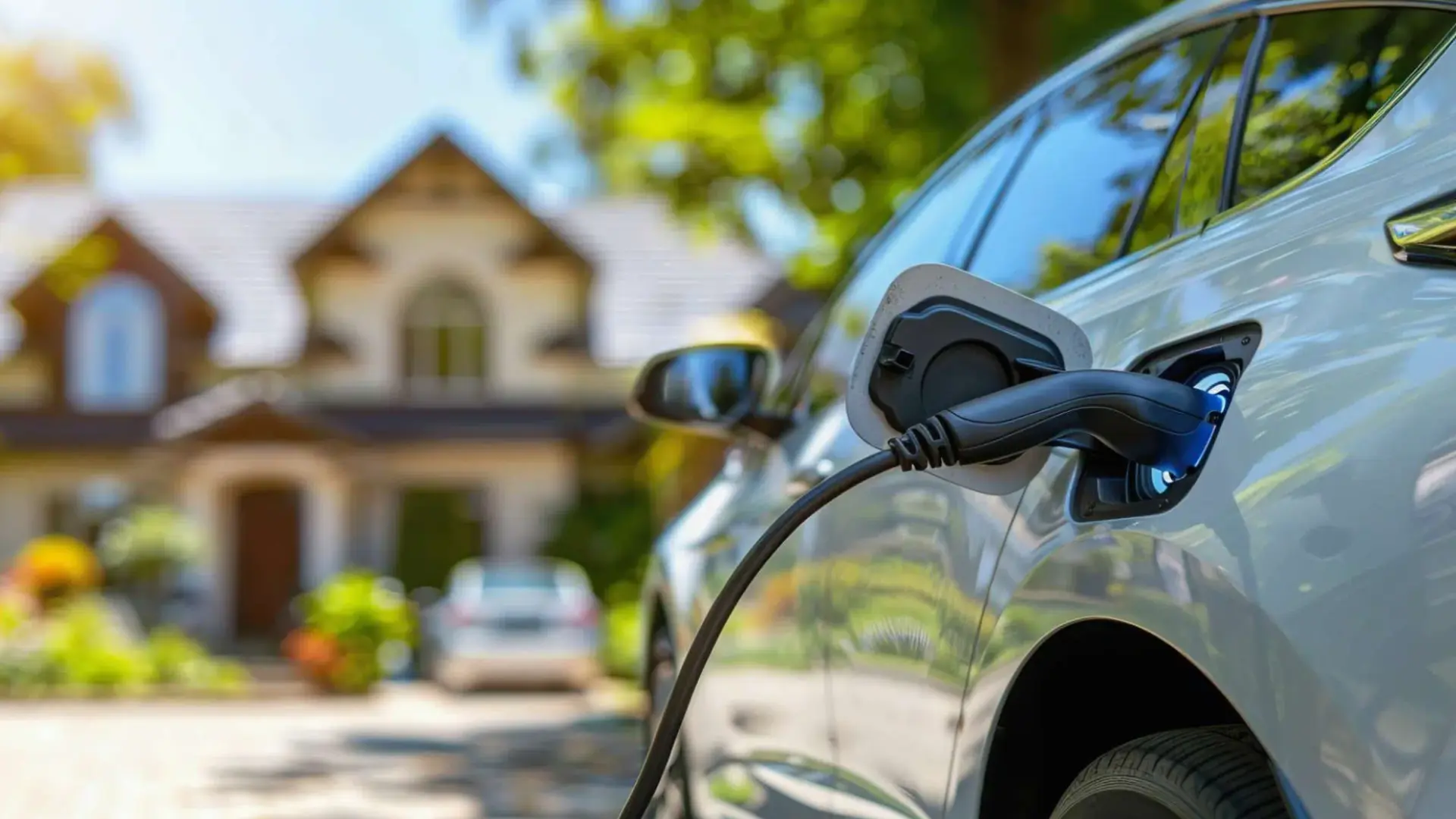
CCS charging is not slowing down anytime soon. Governments around the world are pushing hard to install more stations in both cities and rural areas.
Financial incentives and policies are making it easier for businesses to quickly set up new charging networks. I have also noticed a growing shift toward powering CCS stations with solar and wind energy.
That combination makes EV driving genuinely cleaner from start to finish. On the tech side, things are getting exciting too. Ultra-fast charging, 800V systems, and bidirectional charging are all on the horizon.
Bidirectional charging even lets your car send power back to your home. These innovations will make EV ownership smarter, greener, and more convenient for everyone.
Conclusion
Learning about CCS charging helped me understand that charging an EV doesn’t have to be complicated. Once I figured out how it works and why it’s so widely used, the whole process started feeling easier and more practical.
Now that you’ve read through this, you know how the chargers make electric driving faster and simpler. Use what you’ve learned to plan your charging stops, save time on the road, and get the most from your EV.
Remember to check for compatible stations before long trips; it makes a big difference. If you’d like to keep learning about EV care, charging options, or home setups, check out the other blogs on the website next.
There’s plenty more to help you charge smarter every day!