The same car that owners rave about online ranks last in used-car reliability studies. That gap isn’t a mistake in the data; it’s the most important thing to understand before buying a used Tesla.
Are Teslas reliable? High owner satisfaction scores and below-average reliability rankings coexist across almost every independent study published in the last five years. That contradiction isn’t a coincidence; it reflects a specific aspect of how Tesla builds and supports its vehicles.
Understanding what lies behind that gap is what turns a risky used-car purchase into a confident one. The answer is more nuanced than a simple yes or no, and that nuance is exactly what makes it worth understanding properly.
How Reliable are Tesla Cars Overall?
Tesla’s reliability story has shifted significantly, and the 2025 data reflects that directly. According to the 2025 J.D. Power Vehicle Dependability Study, Tesla scored 209 problems per 100 vehicles, a substantial improvement from 252 in 2022, now placing it ahead of Audi and Mercedes-Benz.
However, Tesla remains slightly below the industry average of 190. On the Consumer Reports side, Tesla entered the top 10 most reliable brands in 2025, jumping from 27th out of 28 brands in 2022. The improvement is real but concentrated in newer models.
Older used Teslas still carry the quality inconsistencies that drove those earlier low rankings, which is exactly why production year matters more with Tesla than almost any other brand.
Are Tesla Vehicles Reliable as Used Cars?
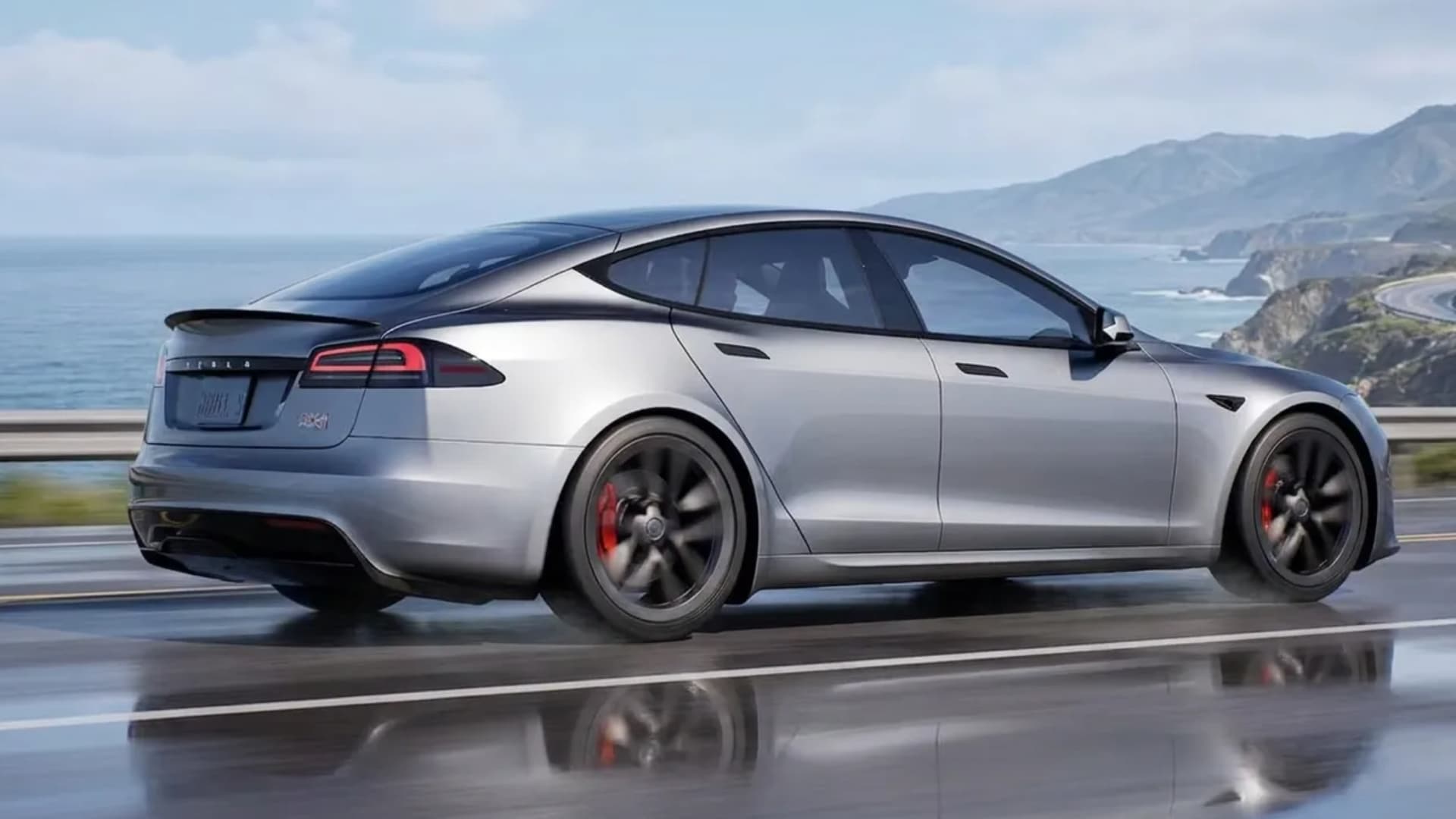
A brand-new Tesla and a three-year-old Tesla are not the same reliability proposition, and that distinction matters more here than with almost any other manufacturer on the market
Why Used Tesla Reliability is Different
Using a Tesla with known reliability issues carries different risks than buying a new one. Early production models were built during Tesla’s most aggressive scaling period, a phase marked by inconsistent quality control, rapid design changes, and manufacturing processes that were still being refined.
The result is that older used Teslas reflect a version of the company that no longer exists, and not always in a good way. Software dependency adds another layer, a car that relies this heavily on electronics ages differently than one built around mechanical simplicity.
What the Real-World Data Actually Shows
- Problems most commonly surface between years 3 and 5: the exact window in which most Tesla buyers are shopping.
- Older Model S and Model X score lowest: both carry higher issue rates than the newer Model 3 and Model Y platforms.
- Model 3 and Model Y show the most consistently used-car performance: the safest used-car purchases in the Tesla lineup by a clear margin.
- Over-the-air updates partially offset the electronics risk, but don’t eliminate it entirely.
Understanding these distinctions before viewing a used Tesla is what separates a well-informed purchase from one that creates problems within the first two years of ownership.
Common Problems with Used Tesla Vehicles
Buying a used Tesla without knowing its documented problem history is the fastest way to overpay for a car that costs more to own than expected. Here is what to watch for.
1. Build Quality Issues
Owner Reports: High | Most Reported In: Pre-2021 builds across all models
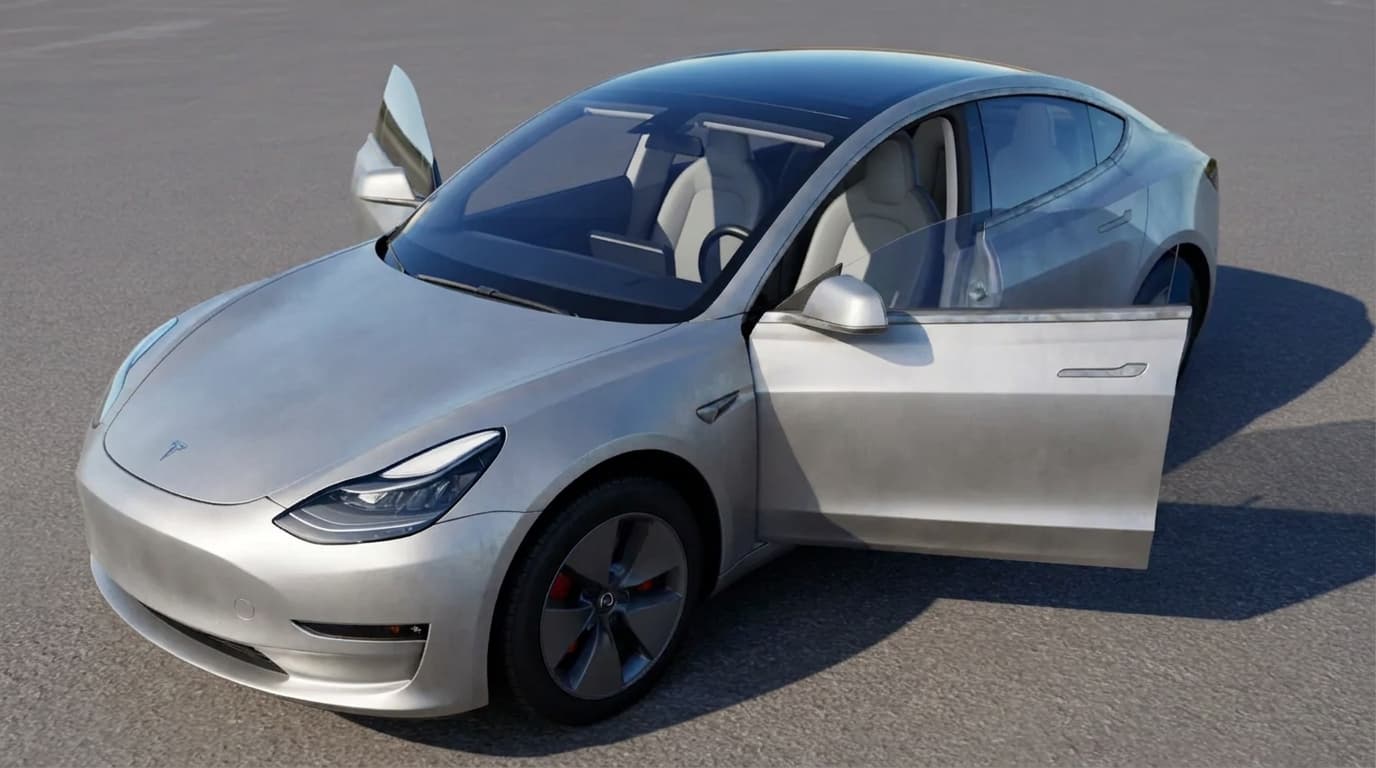
Panel gaps, paint inconsistencies, and poor door sealing are among the most documented complaints across all Tesla models.
These aren’t safety-critical problems, but they signal manufacturing inconsistency that becomes harder to overlook as the car ages. Visible build-quality issues also provide legitimate grounds to negotiate the price before signing.
2. Software and Electronics Glitches
Owner Reports: High | Most Reported In: All models regardless of year
Touchscreen freezes, Autopilot inconsistencies, and phantom braking are the most frustrating aspects of Tesla ownership, and not all of them get resolved through over-the-air updates.
Software issues can appear suddenly, disappear without explanation, and return unpredictably. A car that behaves perfectly on a test drive can develop problems weeks into ownership with no warning.
3. Suspension Wear
Owner Reports: Moderate | Most Reported In: Older Model S and Model X
Older Model S and Model X vehicles exhibit above-average suspension wear for their mileage. Air suspension systems, standard on both models, are expensive to replace and prone to failure as mileage climbs.
This is one of the most overlooked cost factors in a used Tesla purchase and one of the most critical to inspect before committing.
4. Service Delays
Owner Reports: Moderate | Most Reported In: All models outside major US cities
Tesla’s service network remains significantly smaller than that of traditional manufacturers. Limited availability of service centers means even minor repairs can take weeks.
Outside major US cities, the nearest Tesla service center can be hours away, a factor that significantly alters the ownership experience for daily drivers.
5. Out-of-Warranty Repair Costs
Owner Reports: Moderate | Most Reported In: Older Model S and Model X
Routine maintenance is cheap, but out-of-warranty repairs are not. Body repairs, touchscreen MCU replacements, and battery-related work carry premium costs that catch most used buyers off guard.
A repair that costs a few hundred dollars on a Toyota can run into thousands on an out-of-warranty Tesla.
Knowing these five issues before a viewing changes what to inspect, what to ask, and how much leverage you carry into any price negotiation.
What Tesla Gets Right: Reliability Strengths
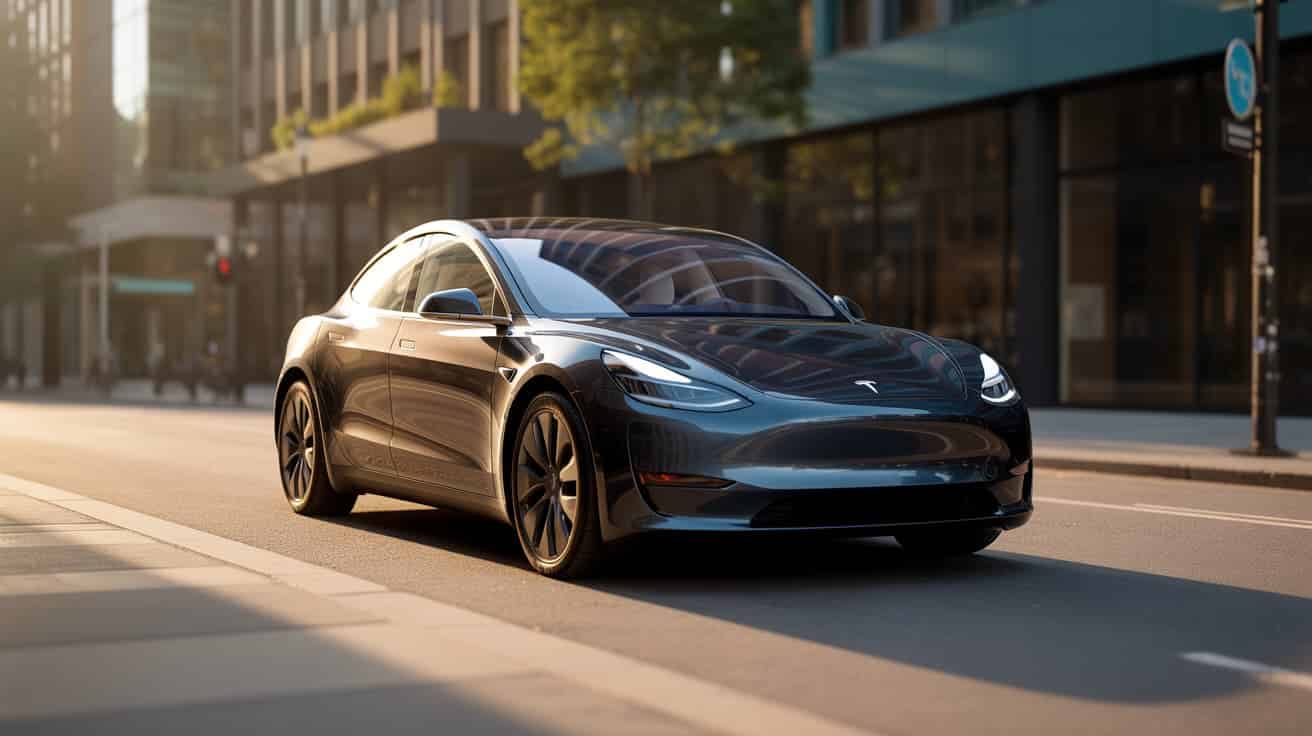
The reliability concerns covered above are real, but they don’t tell the complete picture. Tesla has genuine strengths that no honest reliability assessment should overlook.
Electric Powertrain Durability
Tesla’s battery and motor reliability is where the brand genuinely excels. Independent long-term data shows Tesla batteries retaining 85-90% of their original capacity after 200,000 miles. Motor failure rates are exceptionally low.
The drivetrain that most traditional reliability concerns center around simply doesn’t apply to Tesla in the same way, and that is a meaningful advantage in long-term ownership cost.
Over-the-Air Software Updates
No other mainstream manufacturer deploys fixes and improvements directly to a vehicle the way Tesla does. A software bug that would require a workshop visit in any other brand gets resolved overnight in a Tesla driveway.
For used buyers, this means a car that can genuinely improve after purchase without spending a dollar or booking a service appointment.
Low Routine Maintenance Requirements
No oil changes, no transmission fluid, no spark plugs, no timing belts. Brake wear is significantly reduced through regenerative braking.
The ongoing cost of keeping a Tesla running day-to-day is measurably lower than that of a comparable petrol or diesel vehicle, and that financial advantage compounds significantly over the years of ownership.
Key Takeaway: Tesla’s weaknesses are concentrated in build quality and electronics consistency. Its strengths are concentrated in the areas that affect long-term ownership cost the most, powertrain reliability and maintenance simplicity.
These strengths don’t cancel out the reliability concerns covered earlier, but they do reframe what kind of reliability Tesla actually offers and where it genuinely delivers.
Tesla vs Other Brands: Used Car Reliability Comparison
Understanding where Tesla actually sits relative to other brands removes the guesswork from the comparison entirely. Here is what the data shows across the factors that matter most to used-car buyers.
| Factor | Tesla | Toyota | Lexus | Honda | Other EVs |
|---|---|---|---|---|---|
| Used Car Reliability Ranking | 26th of 26 (older models) | 2nd of 26 | 1st of 26 | 4th of 26 | Mixed |
| New Car Reliability Ranking | 9th of 26 (2025) | 1st of 26 | 3rd of 26 | 4th of 26 | Mostly below average |
| Drivetrain Durability | Excellent, OTA updates | Proven over decades | Proven over decades | Proven over decades | Varies by brand |
| Build Quality | Below average | Above average | Above average | Above average | Generally better than Tesla |
| Maintenance Cost | Lowest in the segment | Low to moderate | Low to moderate | Low to moderate | Low, similar to Tesla |
| Software Capability | Industry leading | Limited | Limited | Limited | Improving but behind Tesla |
| Long-Term Ownership Cost | Low running, high out-of-warranty repairs | Predictable and low | Predictable and low | Predictable and low | Largely unproven |
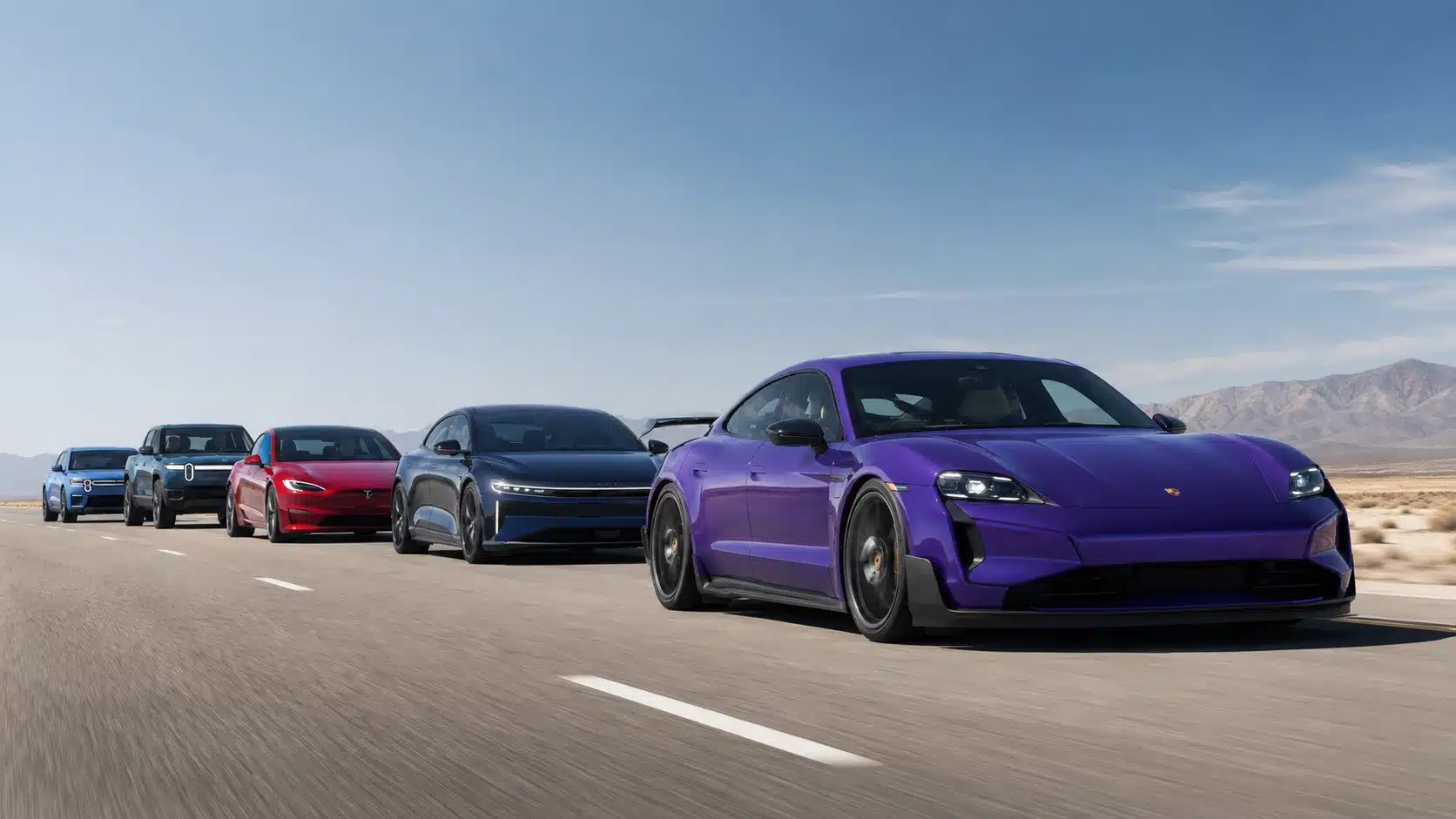
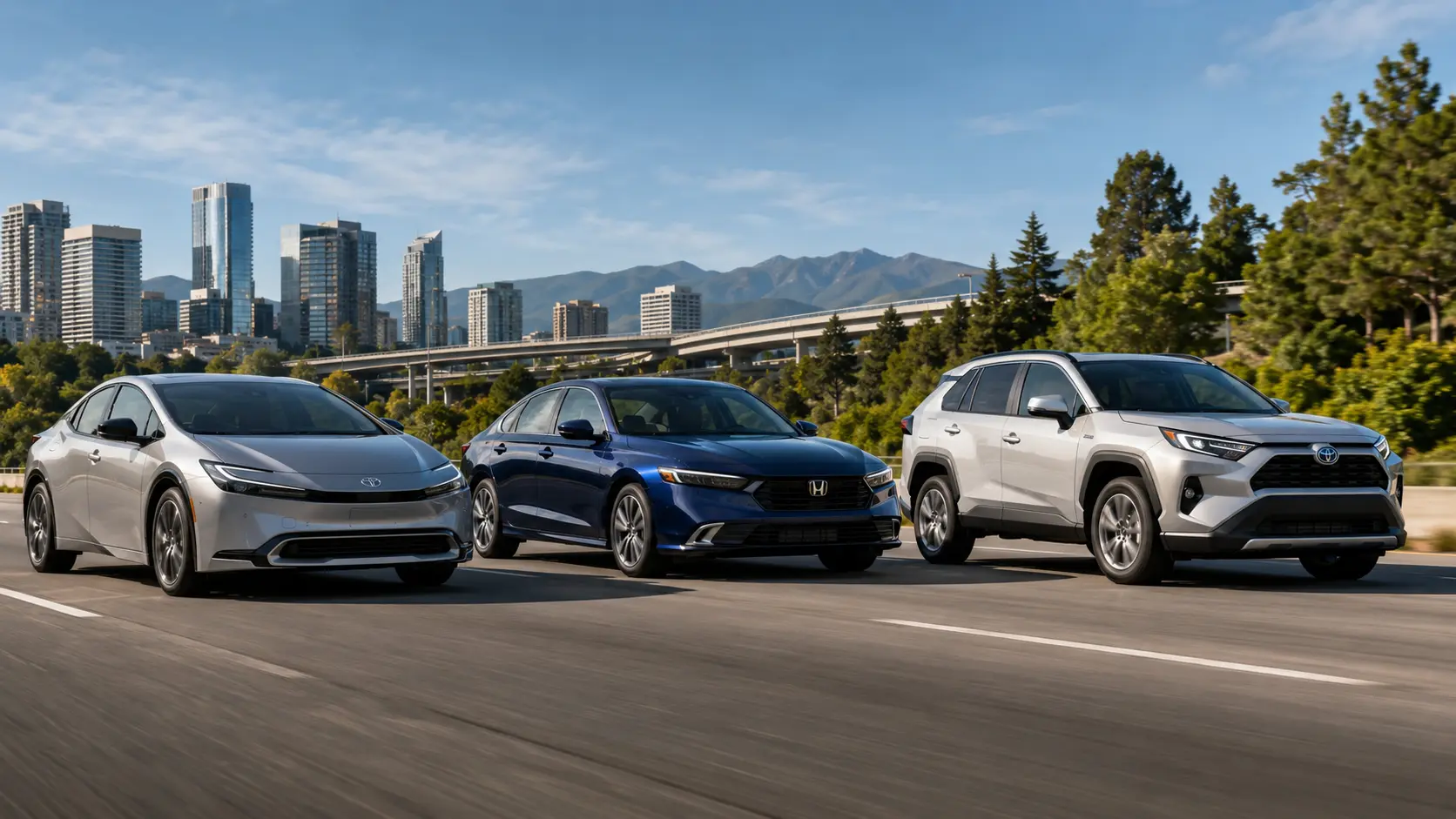
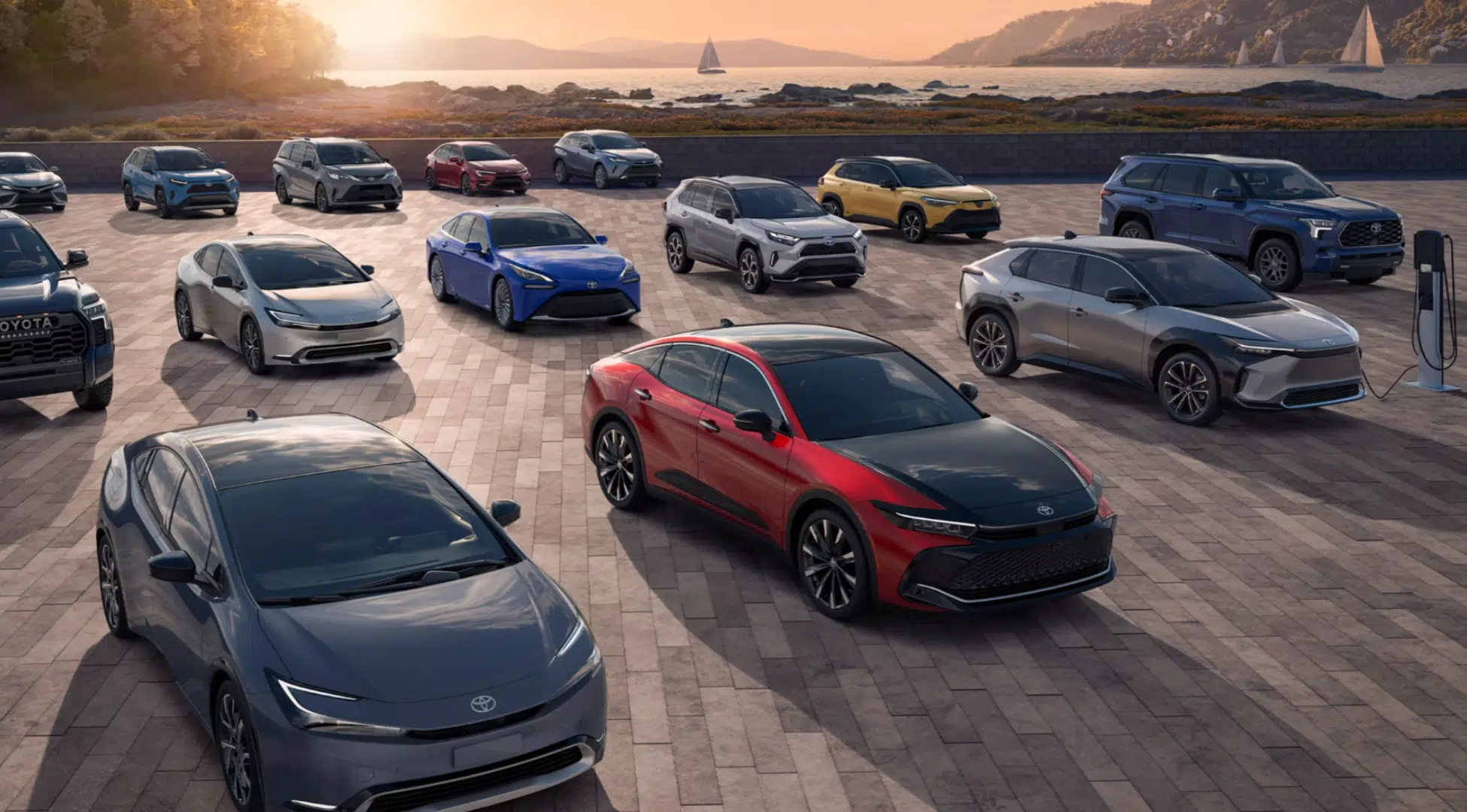
For used-car reliability, Japanese brands remain the clear benchmark; Lexus, Toyota, and Honda consistently dominate the top five. Tesla’s low rankings for older models reflect its aggressive scaling phase, not its current trajectory.
For new cars, the picture is different. Tesla jumped to 9th place in Consumer Reports’ 2025 rankings, ahead of several established manufacturers. Specifically against other EVs, Tesla holds a stronger position than most competitors, with 13 of the 26 least reliable models in Consumer Reports’ rankings being either EVs or PHEVs.
The gap is closing, but for used car buyers, Japanese brands remain the safer bet.
Most Reliable Tesla Models Ranked
Not all Teslas are equal when it comes to long-term dependability. Model choice and production year matter more than most buyers initially realize.
| Rank | Model | Reliability Rating | Best For | Avoid |
|---|---|---|---|---|
| 1 | Model Y | ⭐⭐⭐⭐⭐ Best | Used buyers want the safest choice | Early 2020 builds |
| 2 | Model 3 | ⭐⭐⭐⭐ Very Good | First-time Tesla buyers, daily drivers | Pre-2019 production |
| 3 | Model S | ⭐⭐⭐ Mixed | Long-range priority buyers | Pre-2021, air suspension variants |
| 4 | Model X | ⭐⭐ Below Average | Those who need SUV space | Older builds, falcon wing door issues |
| 5 | Cybertruck | ⭐ Unproven | Early adopters only | Anyone wanting proven reliability |
Recommendation: For a used Tesla purchase focused on reliability, the Model 3 and Model Y from 2021 onwards represent the lowest-risk entry points into Tesla ownership by a meaningful margin.
The model chosen determines the reliability experience almost entirely; getting this decision right matters more than any other factor in a used Tesla purchase.
Real Owner Experience (What People Actually Say)
Reliability rankings tell one part of the story. What owners actually report after years of daily driving tells the rest.
What Satisfied Owners Say
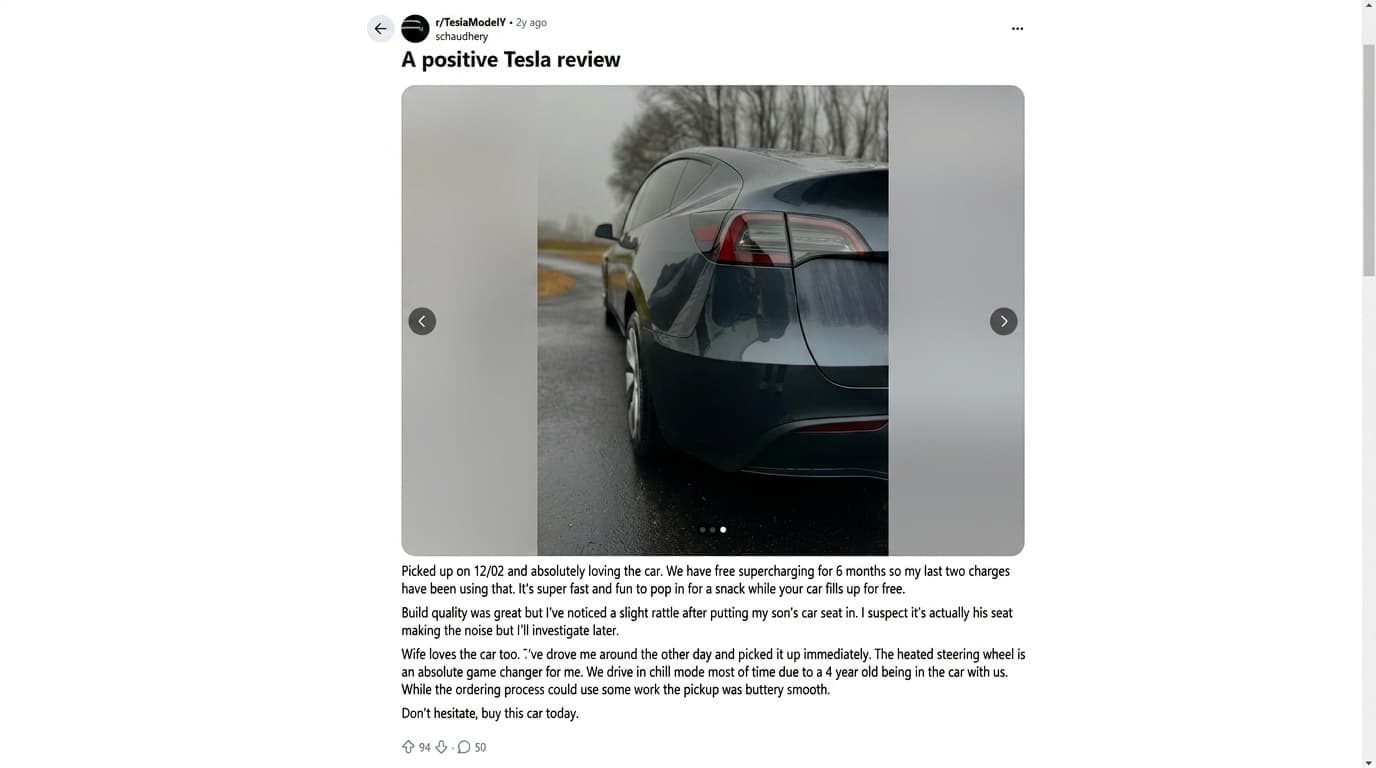
A r/TeslaModelY owner documented their early ownership experience, praising build quality, driving modes, and six months of free Supercharging. The chill mode made it genuinely family-friendly from day one. The comment section echoed the same sentiment immediately, with multiple new owners confirming identical experiences within days of purchase.
Low running costs, enjoyable driving, and software that improves over time are the reasons Tesla retains loyal buyers despite its below-average reliability rankings.
What Frustrated Owners Report
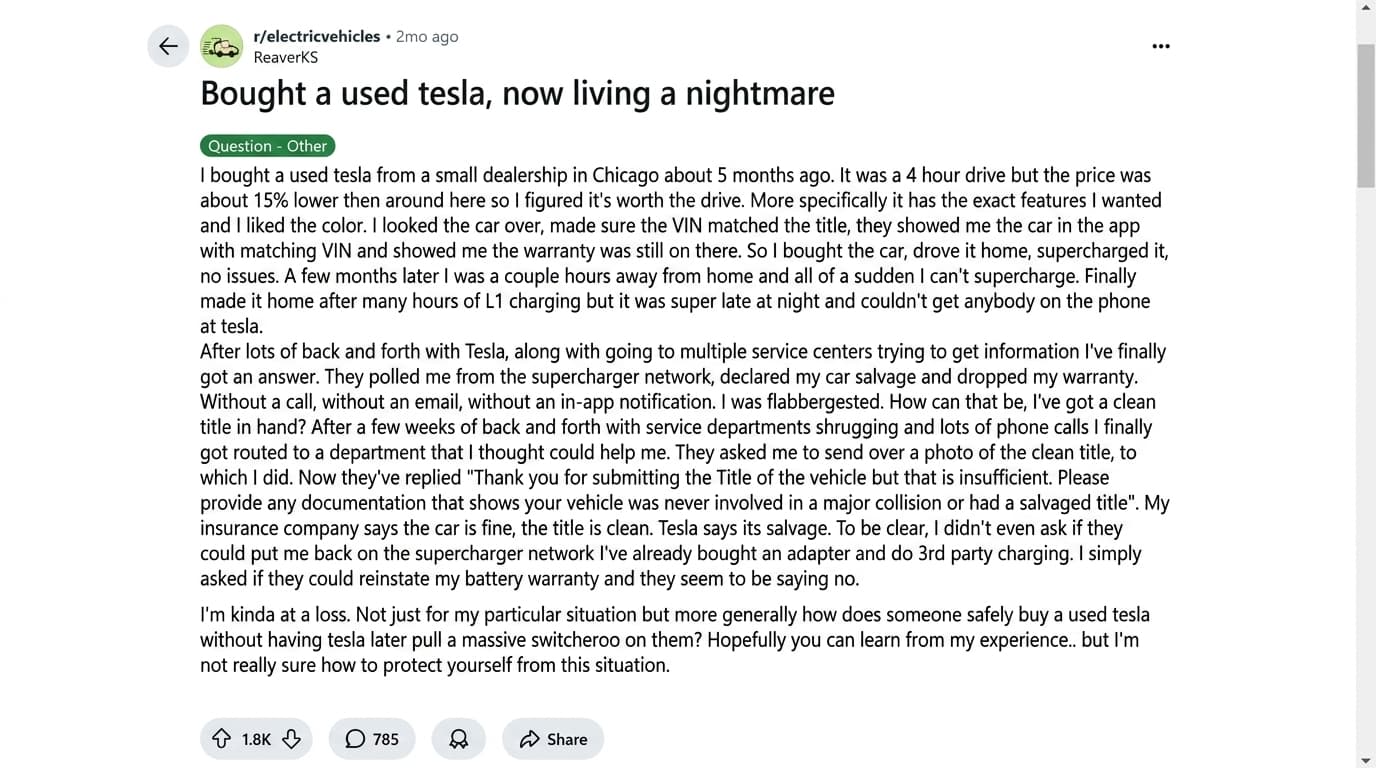
One r/electricvehicles user shared a cautionary account that gathered over 1,800 upvotes. After purchasing a used Tesla, verifying the VIN, clean title, and active warranty beforehand, months later, the car was silently cut off from the Supercharger network. No call, no email, no notification.
Tesla had internally declared the vehicle salvage and dropped the warranty entirely, despite the owner holding a clean title. Tesla then requested proof that the car had never been in a collision, something a clean title alone couldn’t satisfy.
How Long Do Tesla Cars Last?
Battery and drivetrain longevity is where Tesla genuinely surprises, and where the long-term ownership case becomes most compelling.
- Battery capacity: Real-world data shows Tesla batteries retaining 85–90% capacity beyond 200,000 miles, consistently outperforming early EV industry projections.
- Battery failure: Rare before 200,000 miles, considered an outlier rather than a realistic ownership risk.
- Motor lifespan: Documented cases show Tesla drivetrains running reliably well beyond 300,000 miles with minimal intervention.
- Charging habits: Keep daily charging between 20–80% and limit DC fast charging to meaningfully extend battery life.
- Climate impact: Extreme heat accelerates degradation more permanently than cold weather.
- Driving style: Consistent regenerative braking significantly reduces physical brake wear and overall drivetrain stress.
Get these three habits right from day one, and a Tesla will comfortably outlast most of the reliability concerns that surround it.
Should You Buy a Used Tesla?
The answer depends entirely on what you prioritize in a car, and how honestly you answer that question before buying. Here’s a straightforward breakdown to help you decide before you commit:
| Factors | Buy If | Avoid If |
|---|---|---|
| Budget & Costs | You want cutting-edge tech at low running costs | Unexpected out-of-warranty repair bills concern you |
| Reliability | You’re comfortable with occasional software quirks | You want set-it-and-forget-it dependability |
| Model & Year | Model 3 or Model Y post-2020 | Early production Model S or Model X |
| Due Diligence | You’ll verify vehicle status directly with Tesla | Buying from a third party without Tesla verification |
| Ownership Style | You enjoy a software-driven, tech-forward experience | You dislike OTA updates and service wait times |
The used Tesla sweet spot is narrow but genuinely worthwhile, Model 3 or Model Y, post-2020 build, verified clean status with Tesla directly, and an honest tolerance for the ownership experience it delivers.
Tips for Buying a Reliable Used Tesla
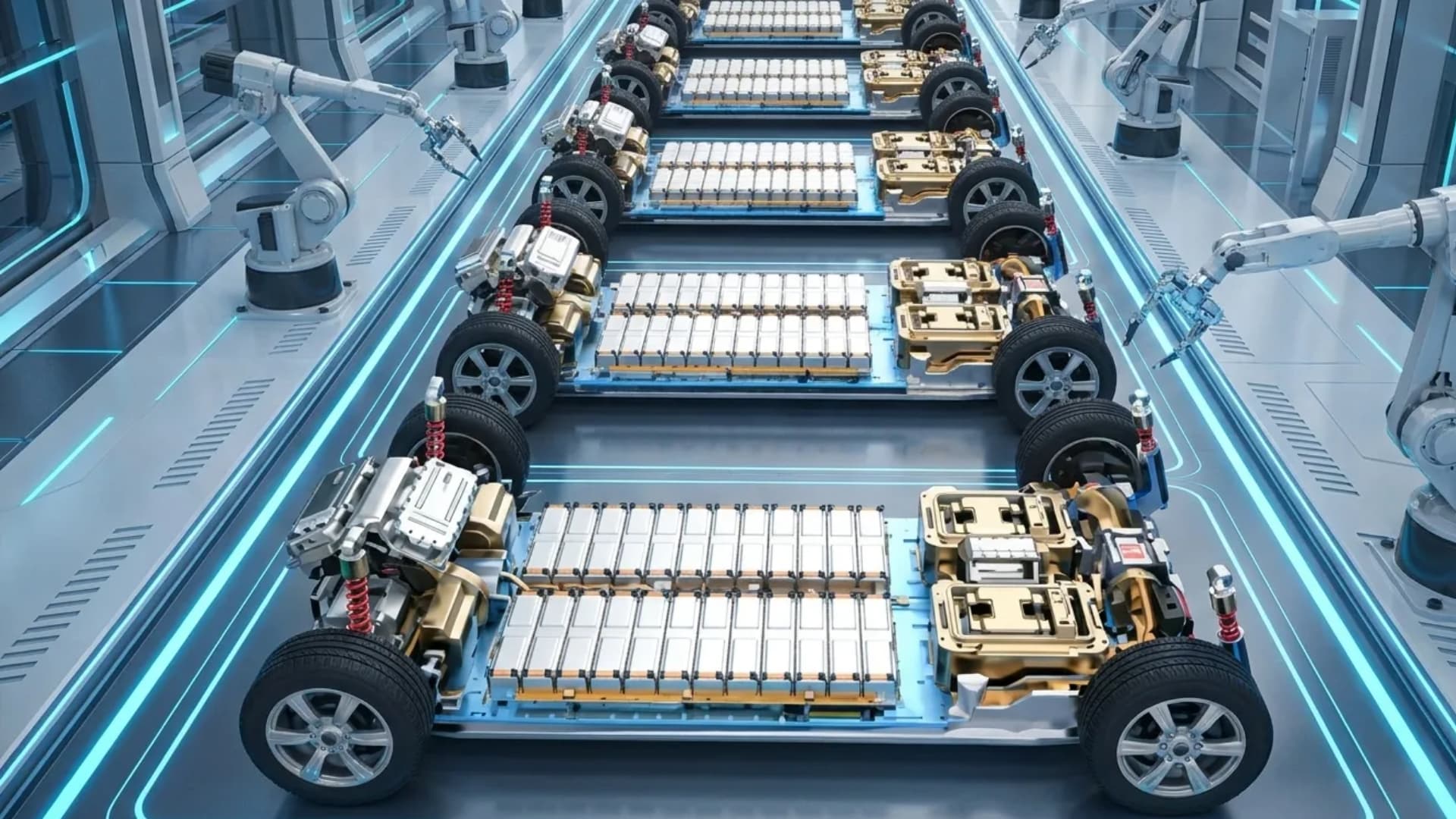
Buying a used Tesla rewards preparation. These steps won’t guarantee a perfect purchase, but they eliminate the most avoidable mistakes.
- Always buy from a Tesla-certified source where possible: third-party dealerships carry significantly higher risk of undisclosed history, mismatched VINs, and unverified warranty status.
- Verify vehicle status with Tesla directly using the VIN: confirm warranty coverage, Supercharger access, and any internal salvage designation before paying.
- Request a battery health report: anything below 80% capacity warrants a significant price reduction or walking away.
- Confirm remaining warranty: know exactly which battery and drivetrain coverage remain before negotiating the price.
- Test all software functions during the test drive: touchscreen, cameras, and Autopilot engagement without exception.
A used Tesla bought carefully is a genuinely different ownership experience from one bought carelessly; these five steps are what separate the two outcomes.
Final Verdict
Tesla’s reliability isn’t a simple yes or no, and I think that’s exactly what makes this question worth answering properly. The electric powertrain is genuinely impressive. The build quality and electronics consistency are genuinely not.
Are Teslas reliable as used cars? Below average by most objective measures, but that doesn’t make every used Tesla a bad purchase. Model matters. Year matters. How carefully you buy matters most of all. The difference between a frustrating used Tesla experience and a rewarding one almost always comes down to preparation, not luck.
If this helped you make a clearer decision, share it with someone weighing the same choice. Drop your experience in the comments. I’d genuinely like to hear it.