

I’ve always wanted to understand how cars truly work, not just how to drive them, but how all the moving parts and systems connect.
That’s what got me interested in learning what automotive technology is. It includes engines, electronics, safety systems, and even the software that keeps everything running.
If you’re curious too, this guide will help you make sense of it all. You’ll learn what automotive technology covers, how it’s different from basic car features, and what skills are needed in the field.
I’ll also cover training programs, career paths, and where the future is headed. Whether you’re planning to start a career or just want to understand modern vehicles better, you’ll find clear, useful answers here.
What is Automotive Technology?
It’s the mix of machines, computers, and systems that help cars work better, faster, and smarter. This includes everything from the engine to the software that powers self-driving cars. It’s not just fixing parts anymore; it’s about using smart tools and new ideas to make cars safer and more efficient.
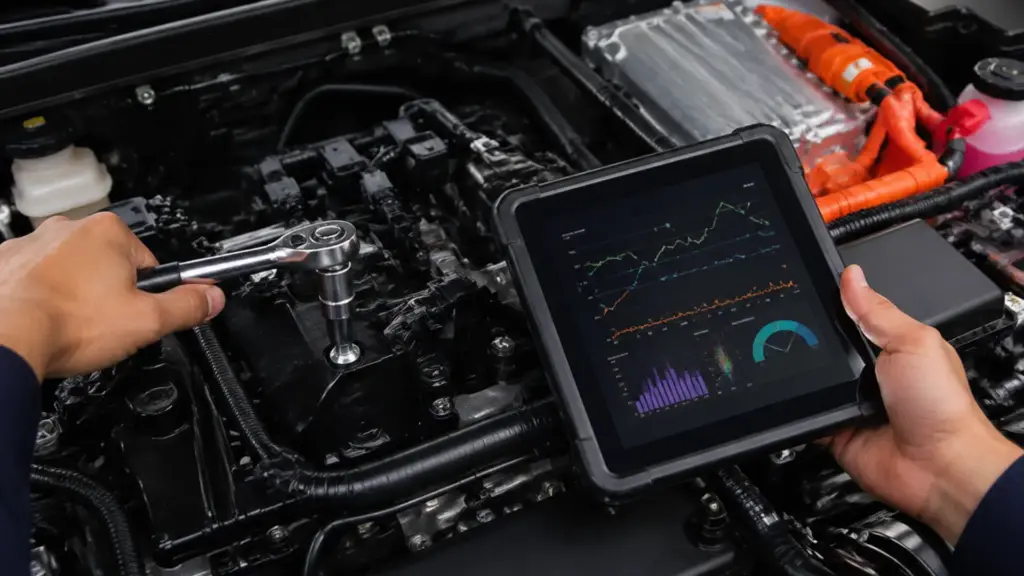
Old-school mechanics mostly worked on engines and physical parts. Today’s tech experts deal with sensors, computer chips, and data. They don’t just use wrenches; they also use laptops.
This matters because cars are changing fast. We now have electric vehicles (EVs), self-driving cars, and tools that use AI to detect car problems. Understanding the working of EVs has become part of the baseline knowledge technicians are expected to have. Automotive technology is shaping how we drive, how safe we are, and how we protect the planet.
How Automotive Technology Differs From Car Technology
Some people ask, “Is car technology the same as automotive technology?” It’s a fair question, but they’re not exactly the same.
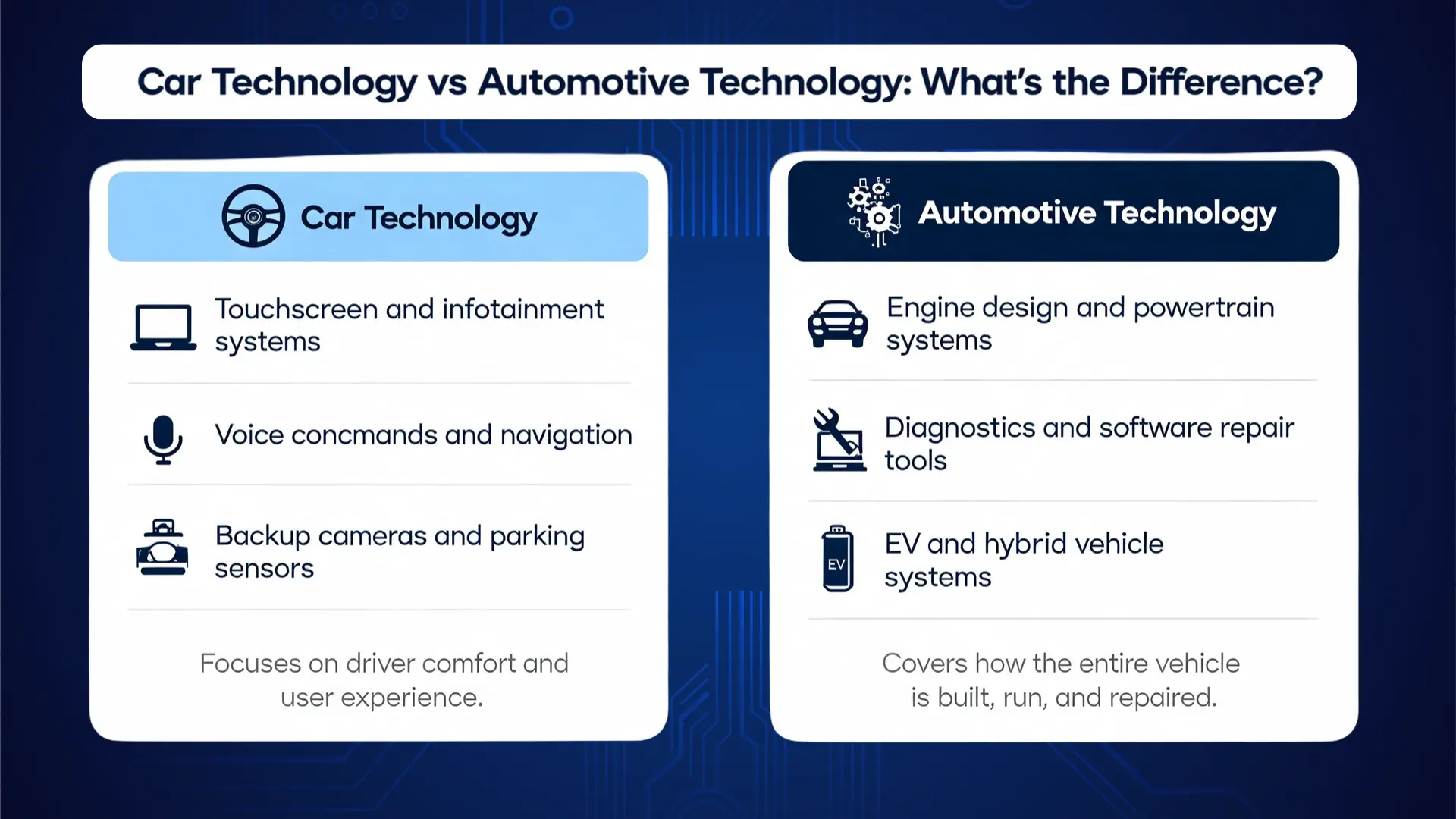
Car technology usually refers to the parts of a car that deal with comfort, entertainment, or safety for the driver and passengers. Voice commands, touchscreens, and backup cameras are all car technology features.
On the other hand, automotive technology covers the whole system that makes a vehicle run. It includes the design, building, and fixing of vehicles, from engines to brake systems to software that checks for problems.
Think of it this way: a touchscreen music player is a car technology feature that makes your drive easier. But the system that checks the engine or battery is part of automotive technology. Car technology focuses on the user experience; automotive technology deals with how the entire vehicle works, inside and out.
What You’ll Learn in an Automotive Technology Program
Here are the main things you’ll learn in an automotive technology program, from how engines work to the latest in electric car systems:
Engines and Powertrains
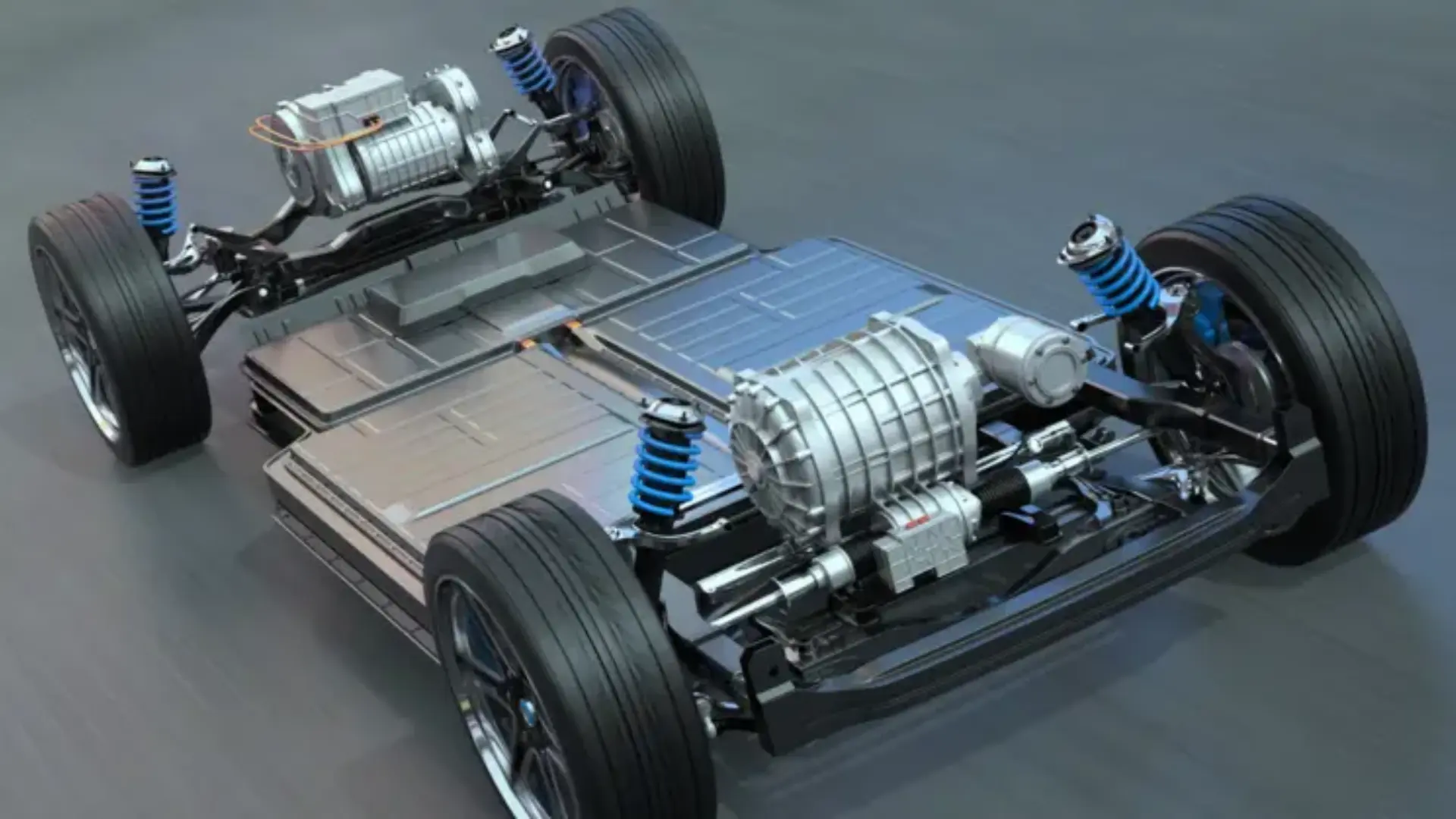
You’ll study how engines work and how power moves from the engine to the wheels. This includes parts like the transmission, axles, and drivetrain. You’ll learn to take apart engines, find problems, and fix them.
This part of the program helps you understand what makes a car move and how to keep it running smoothly. Knowing how powertrains work is essential if you want to work in a repair shop or dealership.
Electrical and Electronic Systems
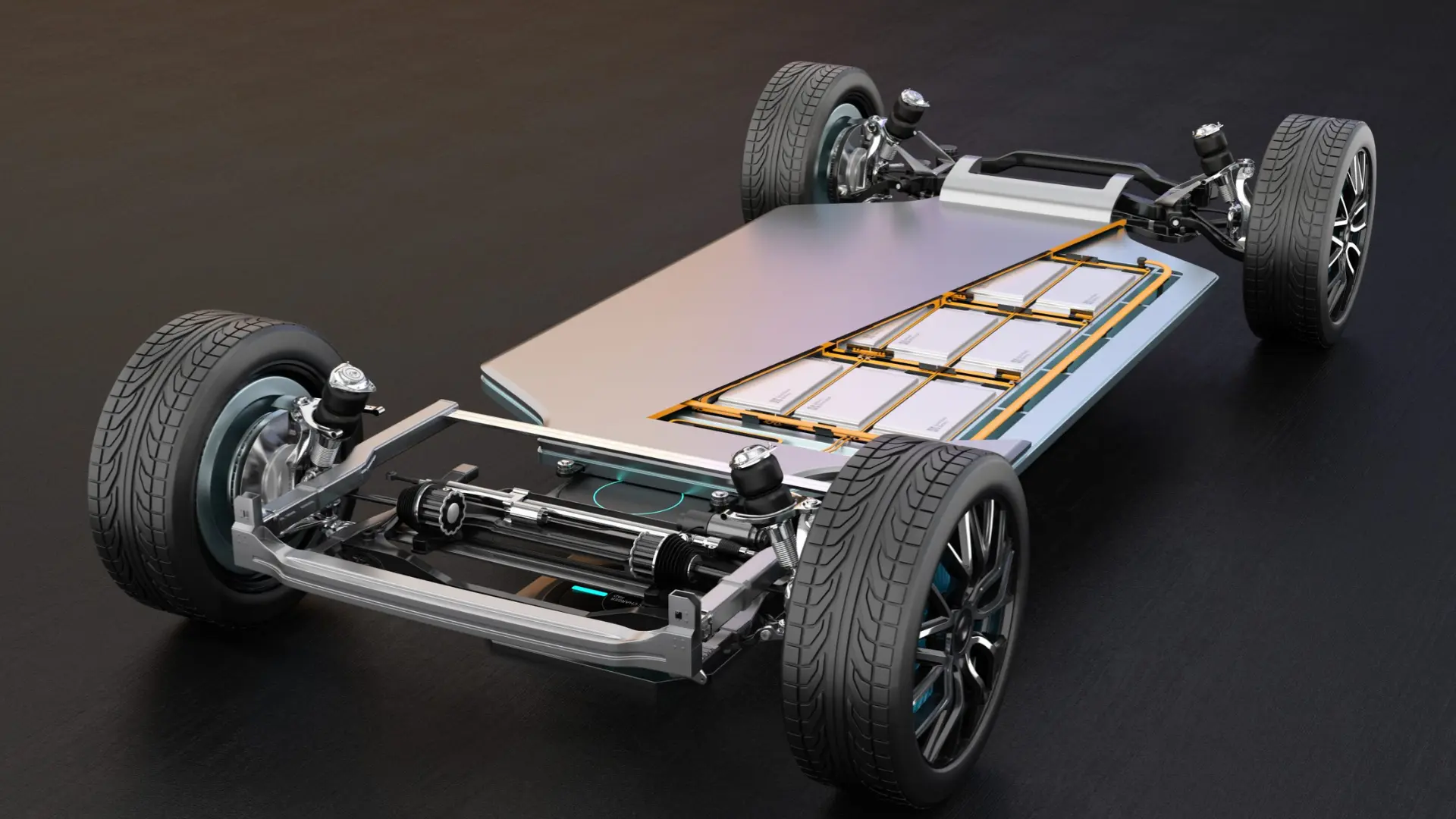
Modern cars have many wires, sensors, and small computers. In this part of the program, you’ll learn how to test and fix things like lights, power windows, and dashboard screens.
You’ll also work with wiring diagrams and tools to find broken parts. As cars become more high-tech, learning electrical systems is more important than ever. This gives you the skills to work on today’s vehicles that depend heavily on electronics.
Brakes, Suspension, and Steering
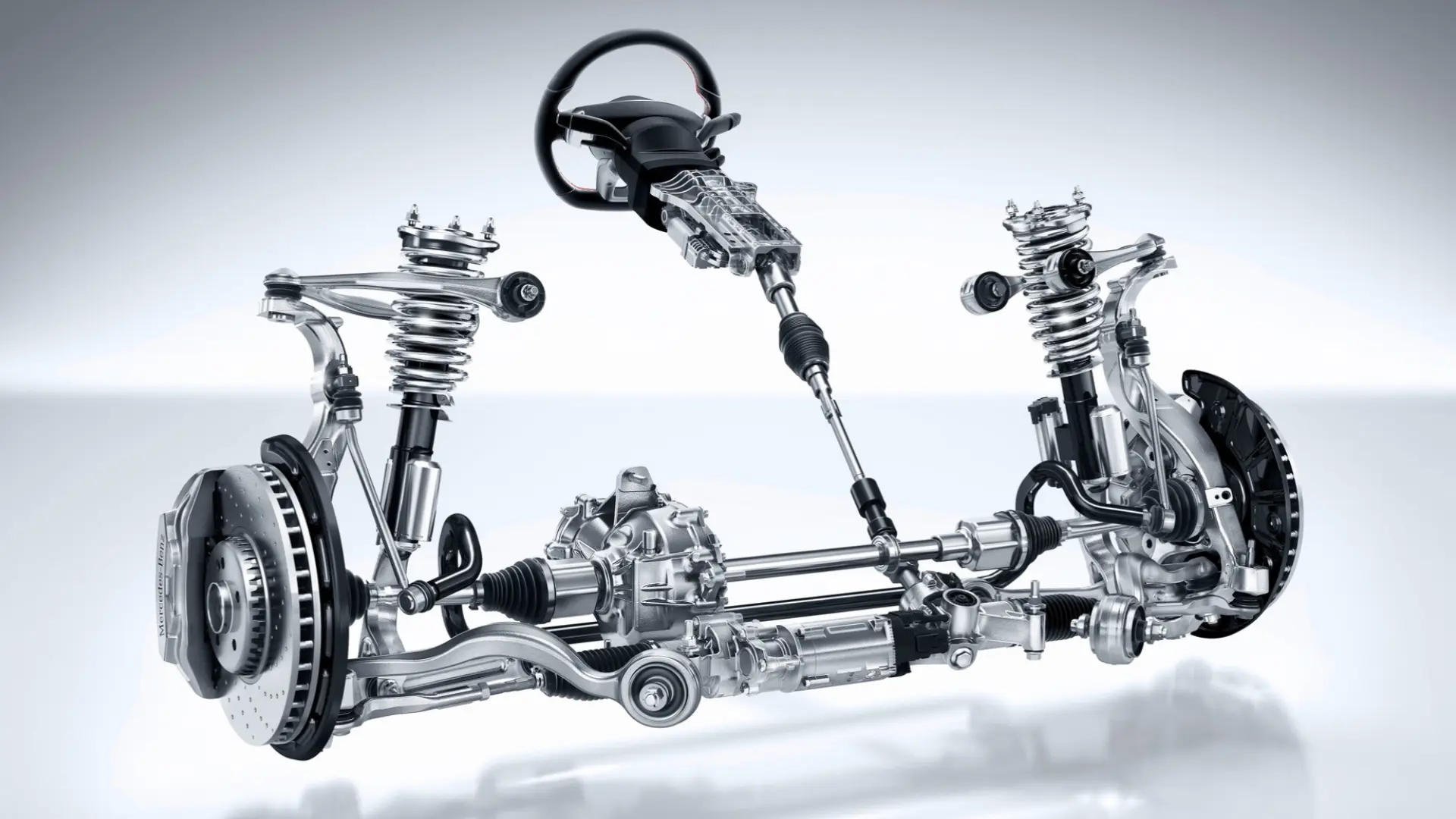
You’ll learn how cars stop, turn, and stay balanced on the road. This includes how to check and fix brake pads, shock absorbers, and steering parts.
You’ll also study how anti-lock brakes (ABS) work alongside newer systems like regenerative braking, which recovers energy during deceleration in hybrid and electric vehicles.
These systems keep drivers safe, so knowing how to work on them is a must for any technician. This part of the training helps you spot problems early and make sure cars are safe to drive.
HVAC and Diagnostics
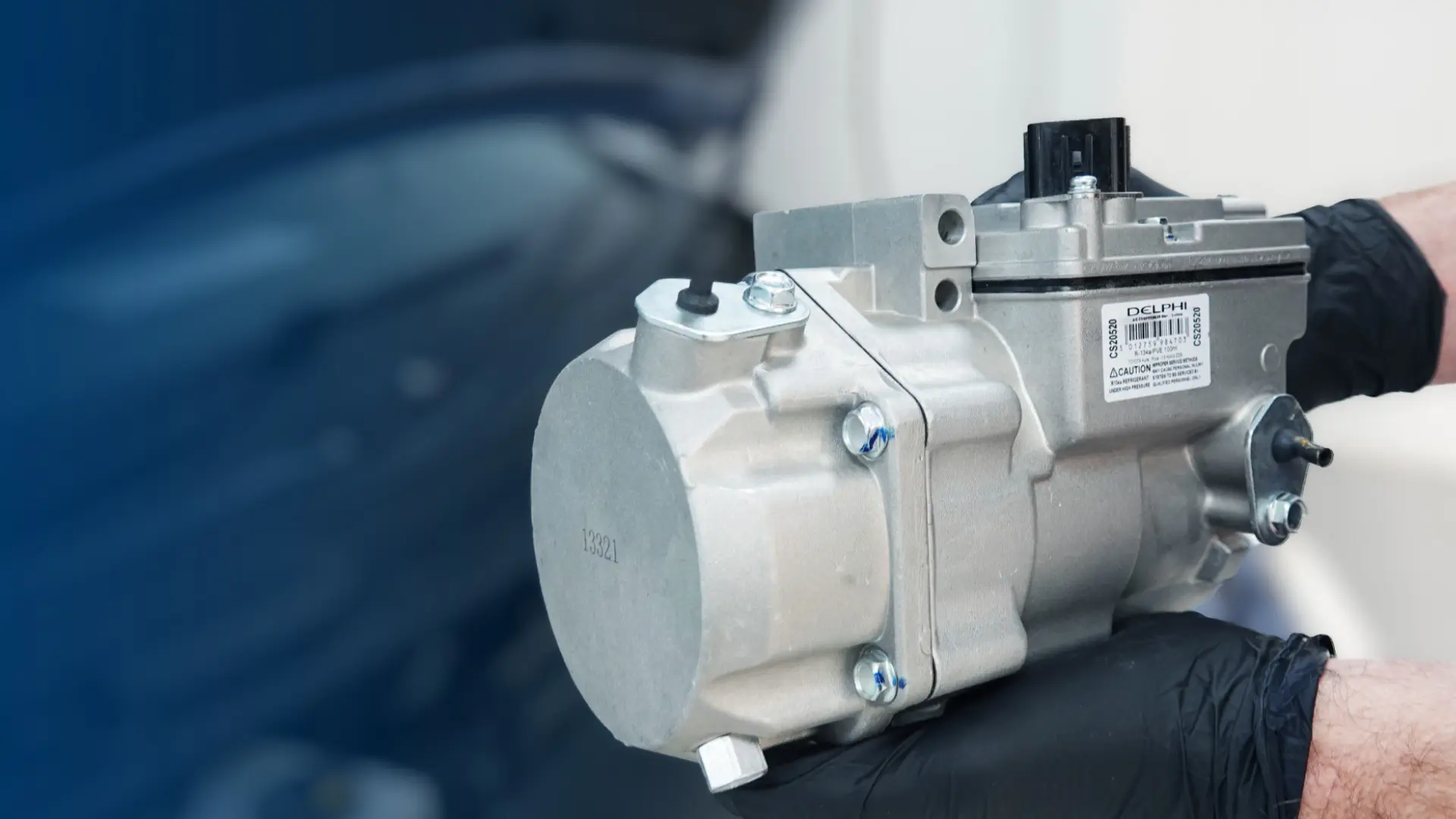
This part teaches how to fix heating, ventilation, and air conditioning systems. You’ll learn how to make sure a car stays warm in winter and cool in summer.
You’ll also learn basic diagnostic skills, including how to find out what’s wrong with a car using special tools. These skills save time and money for both the technician and the driver. Learning how to diagnose car problems is one of the most useful things you can do in this field.
Hybrid and Electric Vehicle Systems
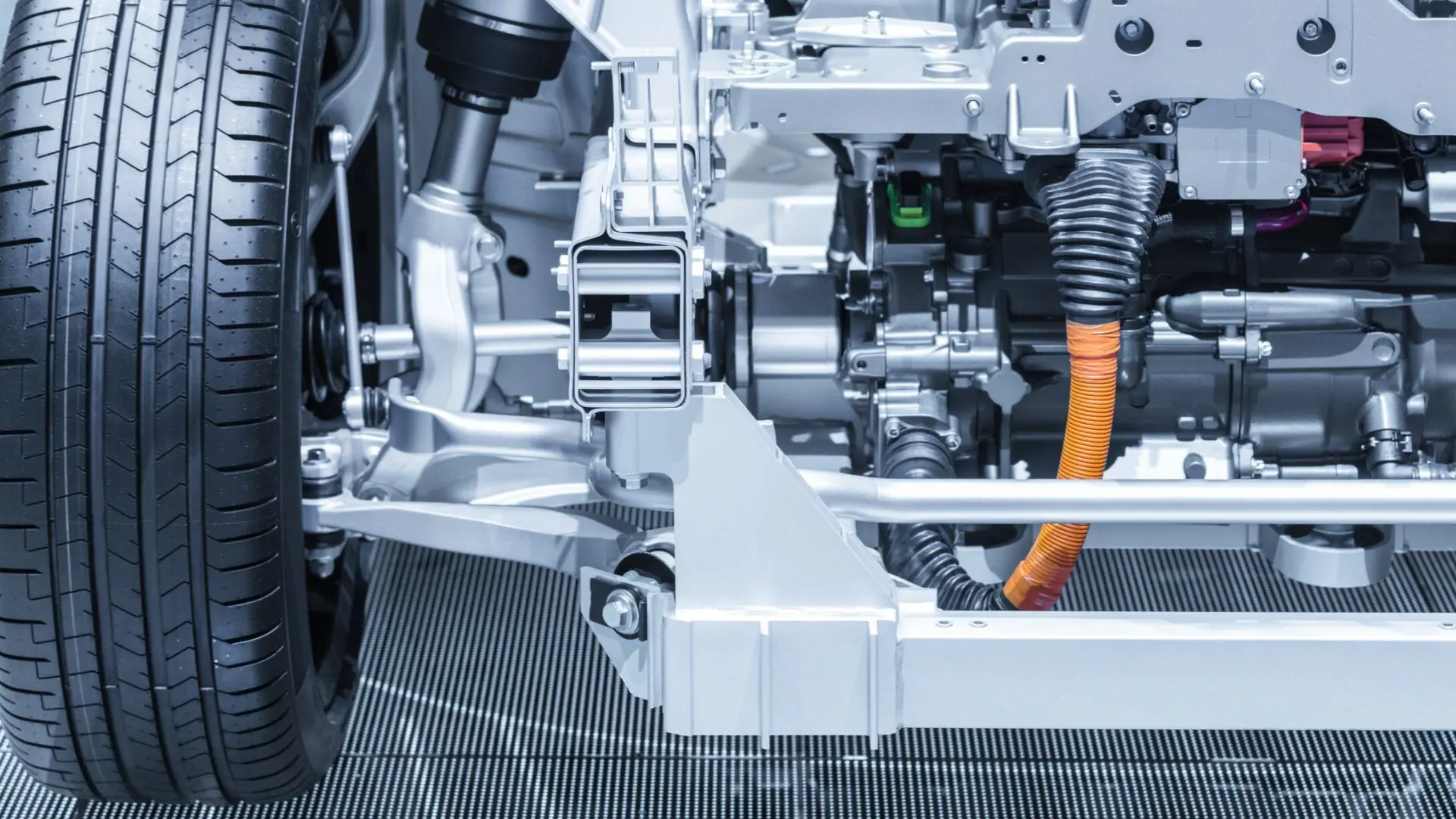
Electric and hybrid cars are becoming more common. You’ll learn how these cars work and how they differ from gas-powered ones. This includes learning about batteries, electric motors, and charging systems.
You’ll also learn how to safely fix and test these parts. With more people choosing electric cars, these skills are in high demand. Training in this area helps you stay current with where the auto industry is heading.
Core vs. Specialized Courses
When studying automotive technology, your training usually begins with core courses that build a strong foundation. These subjects cover the essential systems and skills every technician must understand before moving into advanced work.
Core Courses:
- Engine repair and service
- Brake systems
- Steering and suspension
- Electrical fundamentals
- Safety procedures and tool use
- Basic diagnostics
These classes teach the hands-on skills needed to inspect, maintain, and repair vehicles safely and accurately. They help you understand how each part works together before moving into complex technologies.
After mastering the basics, you can move on to specialized courses that focus on advanced vehicle systems and diagnostics. These are designed for technicians who want to work on modern, high-tech vehicles or pursue a specific area of expertise.
Specialized Courses:
- Hybrid and electric vehicle systems
- Advanced diagnostics and software use
- Heating and cooling systems (HVAC)
- Electronic control units (ECUs)
- Performance tuning and emissions systems
- Digital troubleshooting tools
These courses prepare you to handle the latest automotive technologies and industry trends, giving you the expertise needed to stand out in a rapidly evolving field.
Real-World Skills You’ll Build Through The Course
In addition to technical knowledge, your training focuses on developing the hands-on abilities that matter most in the shop. These real-world skills prepare you to handle everyday challenges with confidence once you start working in the field.
OBD Software Use
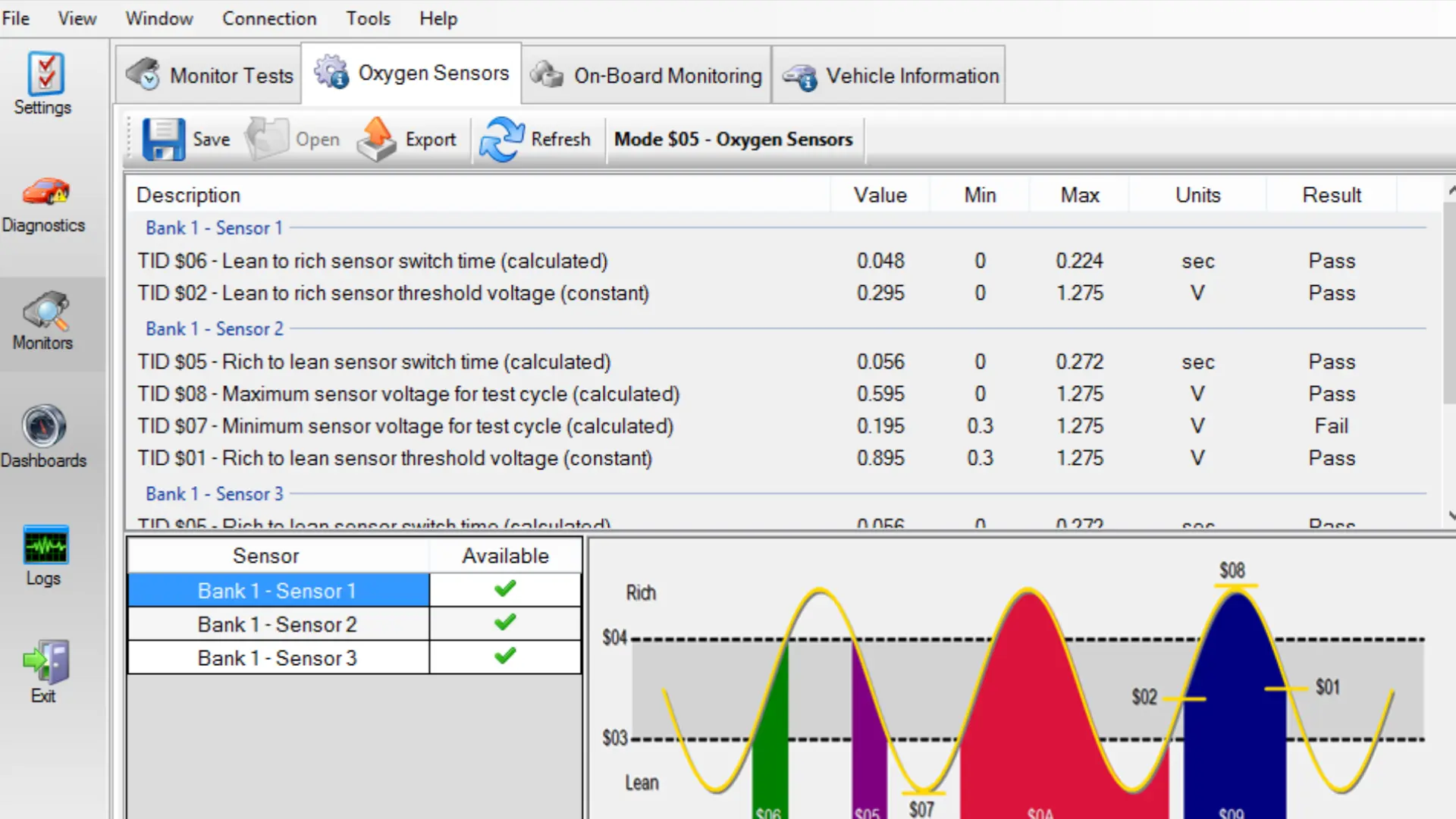
You’ll learn how to use On-Board Diagnostics (OBD) software to read trouble codes from a car’s computer. These tools help you find out what’s wrong without taking the whole car apart. It’s fast, accurate, and a skill every modern technician needs.
You’ll practice using scanners that plug into the car, read the codes, and guide you to the part that needs checking or replacing. Knowing how to use this software saves time and helps you fix problems faster.
Digital Troubleshooting
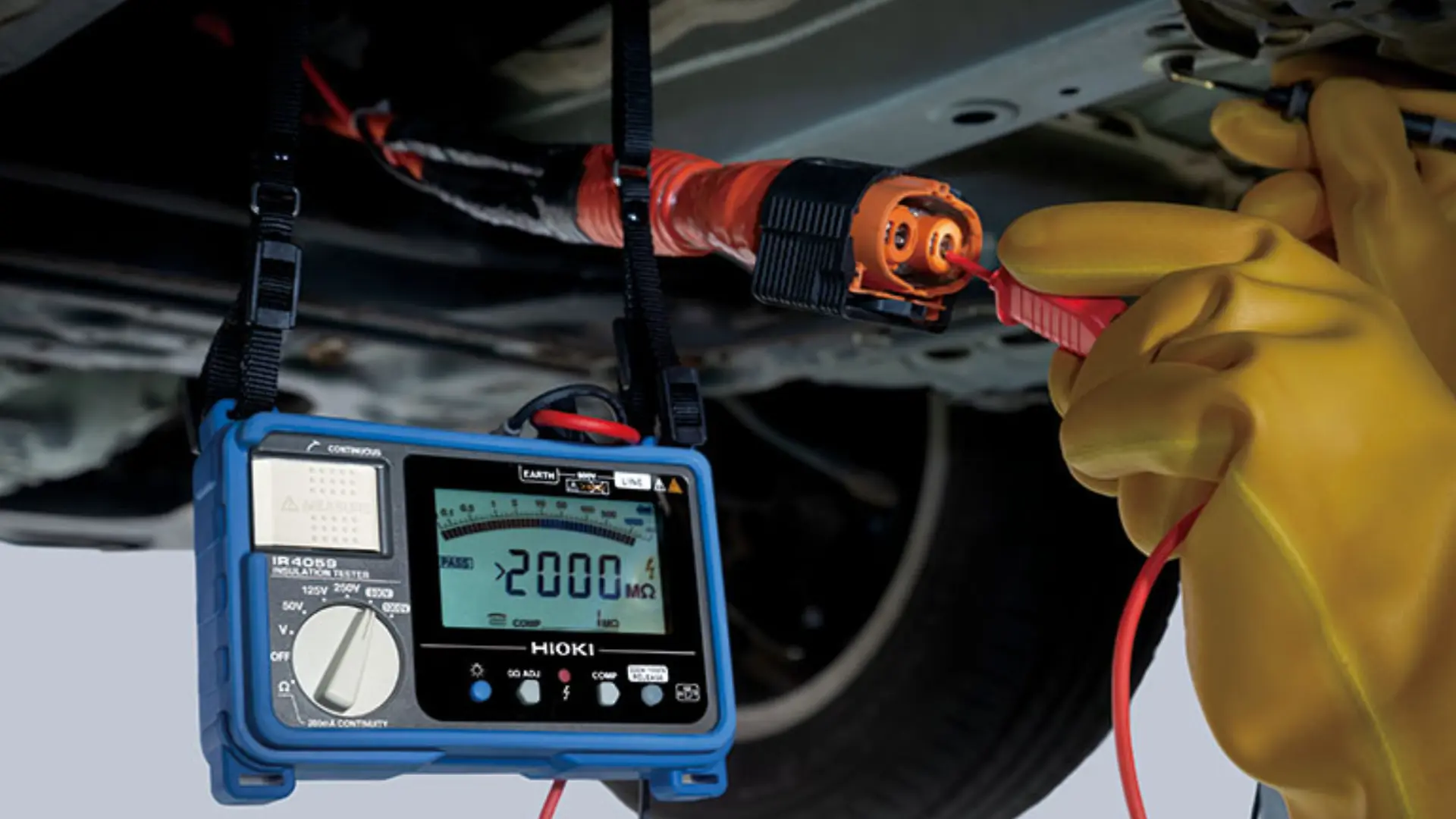
Today’s cars use many small computers and systems that must work together. You’ll learn how to test sensors, wires, and control units with digital tools. This skill helps you fix tricky issues that don’t have obvious signs.
Digital troubleshooting lets you find hidden problems by reading data, running tests, and checking system responses. It takes some practice, but it becomes one of the most useful tools in your skillset once you learn it well.
Safety Systems
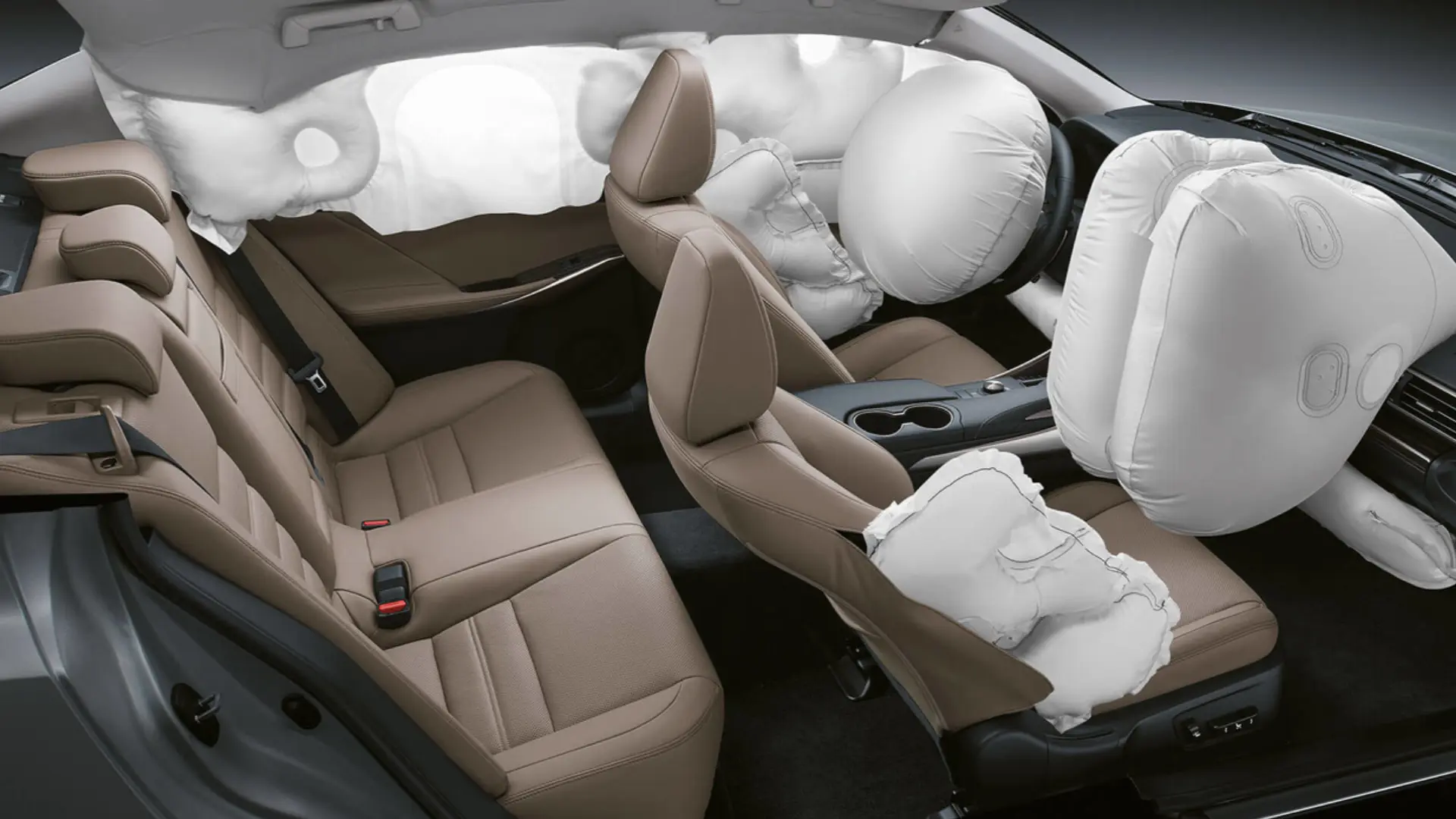
You’ll study how safety systems work, including airbags, seatbelt sensors, traction control, and ABS. These are built to protect drivers and passengers in all kinds of situations.
You’ll learn how to check these systems and make sure they work correctly. Fixing or testing them safely takes careful work and the right steps. Understanding these systems helps you make sure that every car you work on is not just running, but also safe.
Types of Automotive Technology Degrees and Certifications
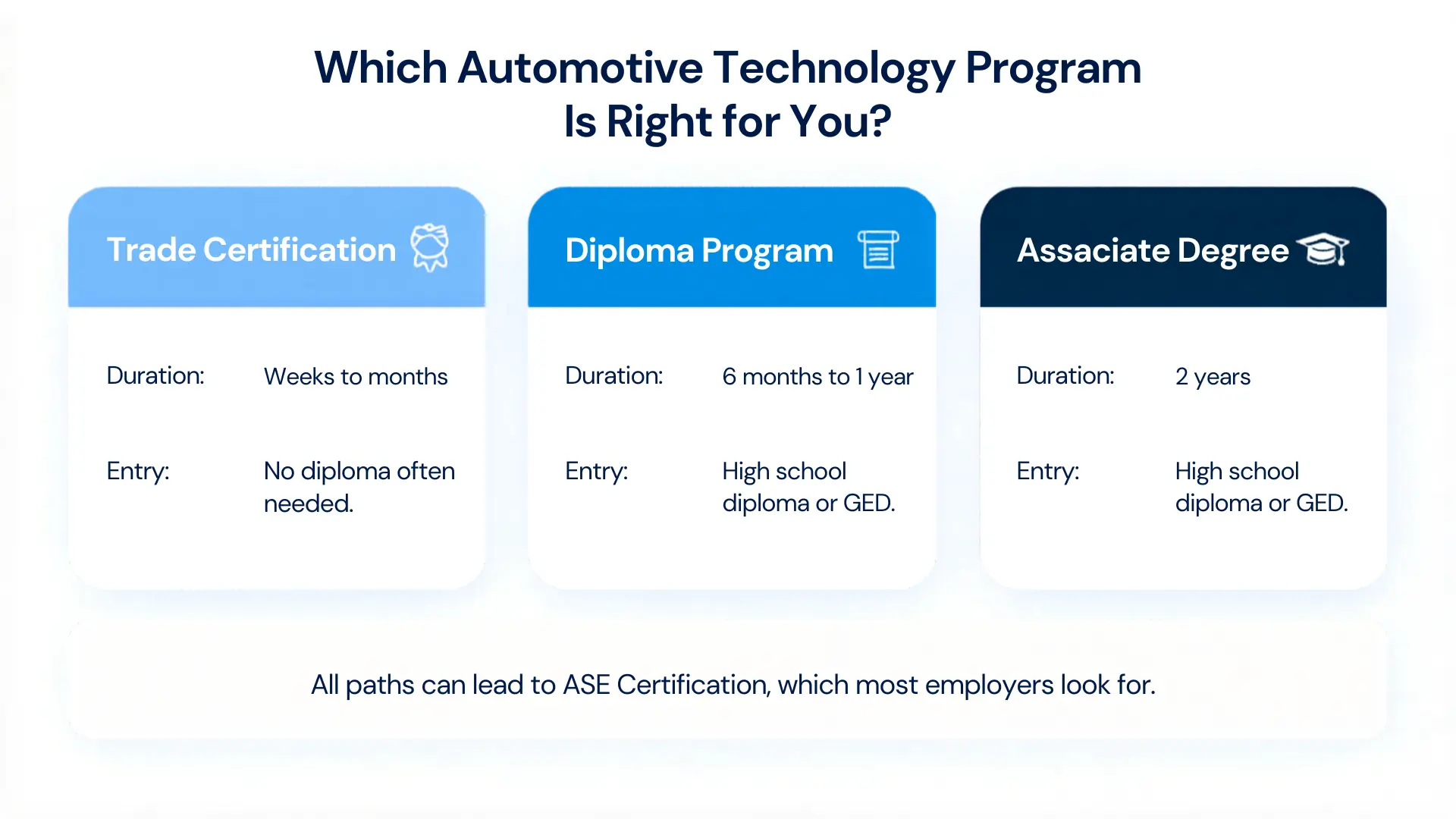
Once you’ve built a strong foundation of knowledge and skills, the next step is choosing the right educational path. Automotive programs come in several formats, each offering different levels of training and career opportunities.
1. Associate Degree in Automotive Technology
This is a 2-year program offered at many community colleges. It includes hands-on training and classroom learning covering engines, brakes, electronics, and more. Many students choose this path to get a well-rounded education and prepare for long-term careers in auto service.
- Duration: 2 years
- Cost: Lower than a 4-year college, often with financial aid options
- Entry Requirements: High school diploma or GED
2. Automotive Diploma Program
Diploma programs are usually shorter, 1 year or less. They focus more on hands-on skills without extra subjects like English or math. These are good if you want to start working sooner and prefer learning by doing.
- Duration: 6 months to 1 year
- Cost: Lower than associate degrees
- Entry Requirements: Usually a high school diploma or GED
3. Trade Certifications
Certifications show that you have specific skills or knowledge. They’re useful for getting hired or moving up in your job. You can earn them through short courses or by passing industry tests.
- Duration: Varies, from weeks to months
- Cost: Lower cost, depending on the program
- Entry Requirements: Often no diploma needed, though some experience helps
Worldwide Well-Known Certification Programs and Top Schools
ASE Certification: The National Institute for Automotive Service Excellence (ASE) offers one of the most trusted certifications in the industry. You can take tests in areas like brakes, engines, and electrical systems. Many employers specifically look for this certification.
Manufacturer-Sponsored Programs: Big car brands like Ford, Toyota, GM, and Honda offer special training programs that teach you how to work on their vehicles using their tools and methods. These often take place at partner schools or training centers and may include paid internships.
Some schools with strong reputations in this field include:
- Universal Technical Institute (UTI): Offers diploma and advanced training
- Lincoln Tech: Known for hands-on programs across the U.S.
- Ferris State University: Offers a 4-year bachelor’s in automotive technology
- WyoTech: Focuses on hands-on skill-building programs
- Local community colleges: Many offer solid 1 to 2-year programs at a lower cost
Career Paths in Automotive Technology
An automotive technology degree opens doors to a wide range of hands-on and technical roles. Whether you enjoy working under the hood or prefer diagnostics and design, there’s a path that fits your interests.
1. Automotive Technician
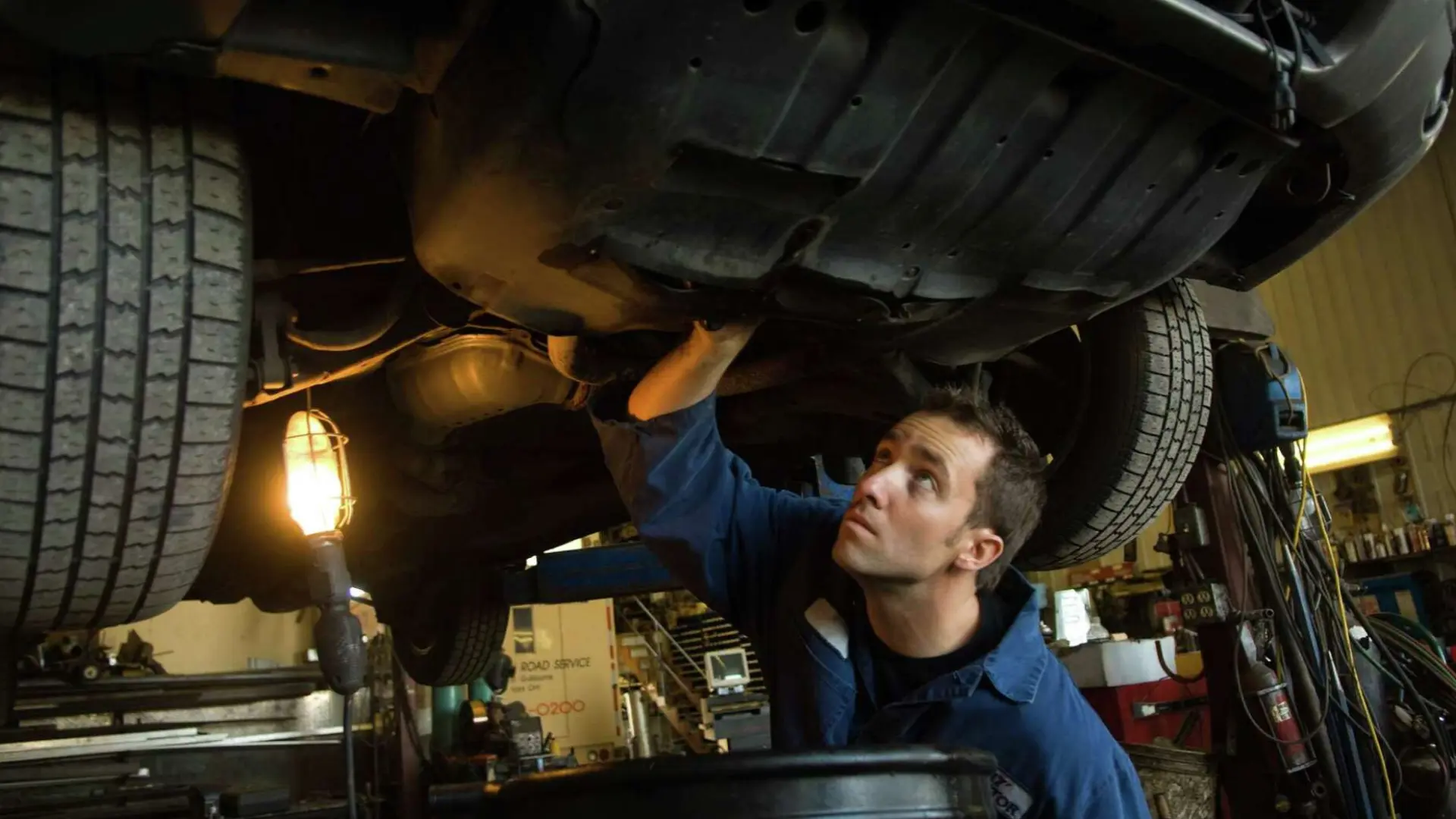
You’ll work on cars and trucks, checking engines, fixing problems, and doing regular maintenance. You’ll use tools, read service manuals, and keep vehicles running safely and smoothly. This is one of the most common jobs after finishing your degree.
2. Diagnostic Specialist

This job focuses on finding tough problems that aren’t easy to see. You’ll use scan tools, computers, and sensors to figure out what’s wrong.
It’s a mix of technical skills and car knowledge, making it a strong fit for anyone who likes solving complex problems.
3. Electric Vehicle (EV) Technician
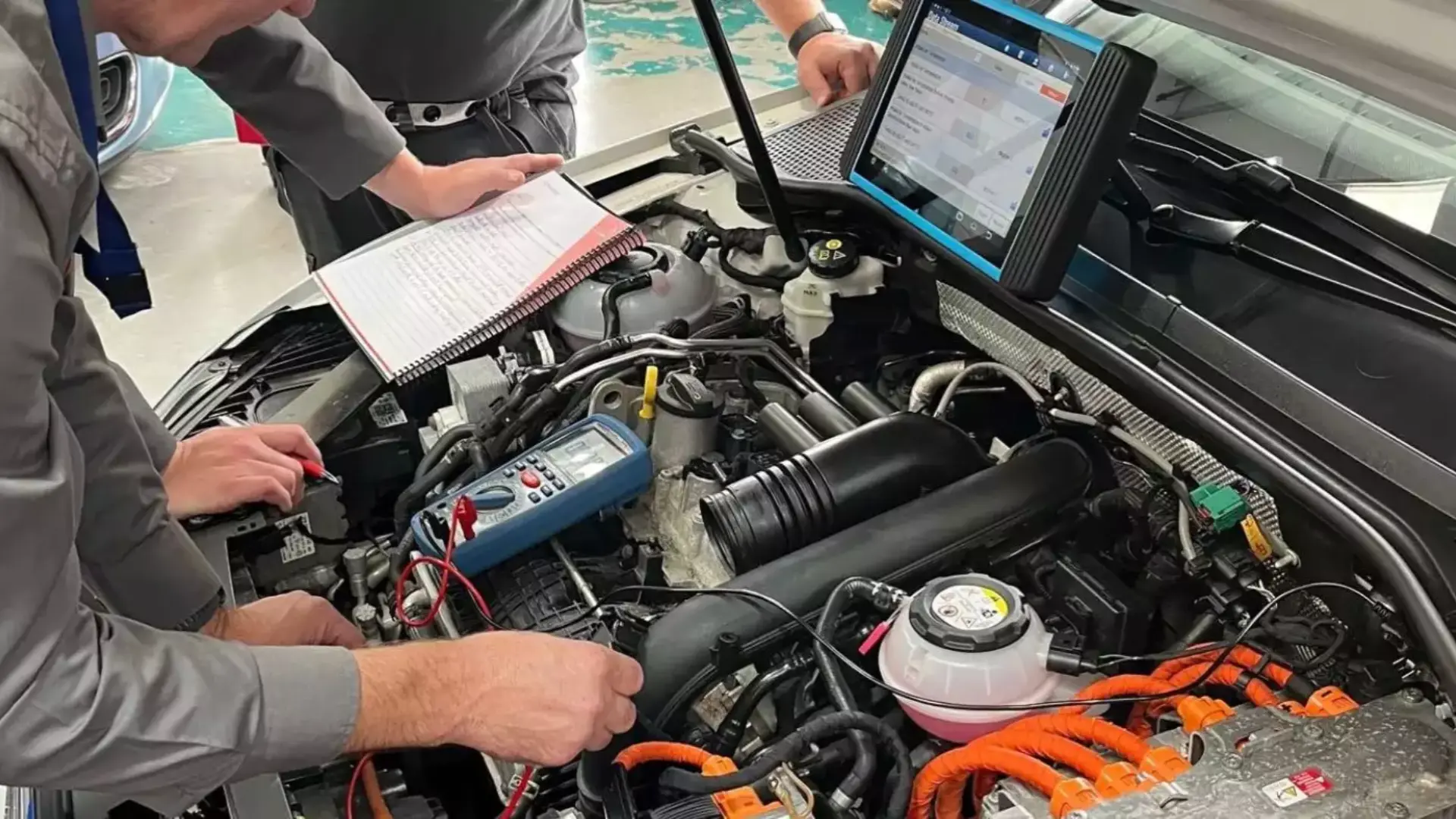
You’ll fix and maintain electric cars and plug-in hybrids, including battery systems, power cables, and electric motors. As more people buy EVs, this role is growing in demand at repair shops and dealerships.
4. Service Advisor

You’ll talk to customers, explain problems, and help them understand repairs. You’ll also work with technicians and keep repair orders organized. It’s a strong fit if you like working with people and have solid knowledge of how cars work.
5. Automotive Engineer

This job focuses on designing or testing parts and systems in vehicles. You could help build safer brakes, better engines, or improve how cars use fuel. Some roles may need additional schooling, but many companies offer internal training programs.
Opportunities in EV, Sustainability, and Smart Vehicles
The auto industry is changing fast, with new technology reshaping how vehicles are designed and maintained. Here are some of the most promising opportunities in EVs, sustainability, and smart vehicle development:
- EVs are growing fast. You can work on battery systems, chargers, and electric motors, and familiarity with top long-range EVs gives you a practical edge when diagnosing real-world vehicles.
- Green jobs are rising. This includes working on eco-friendly systems and reducing pollution in vehicles.
- Smart cars need tech skills. You could help with sensors, safety systems, or vehicles that communicate with each other.
- More jobs in software and data. Cars are becoming rolling computers. Knowing how systems communicate is a valuable skill.
- Fleet and mobility services. Some people work on large groups of vehicles, like delivery vans or ride-share cars that run on smart systems.
The Future of Automotive Technology
The future of cars centers on smart systems, clean energy, and better safety. Electric vehicles are becoming more common, and many companies are working to build cars that create less pollution. Batteries are improving, and charging is getting faster.
Cars are also getting smarter. New models can help you stay in your lane, park on their own, and drive with minimal input. Some vehicles already use cameras, sensors, and radar to watch the road and warn drivers about danger.
Another significant change is how cars connect to the internet. Cars can now send data, receive updates, and communicate with traffic lights or other vehicles on the road.
All these changes mean more jobs for people who understand both cars and computers. If you like working with technology and want to be part of a field that’s always moving forward, automotive technology has a strong and exciting future ahead.
Frequently Asked Questions About Automotive Technology
Is automotive technology a good career in 2025?
Yes, it remains a strong career choice, and in some ways, the demand is higher than ever. The shift toward electric vehicles, advanced driver assistance systems, and software-defined vehicles means technicians with updated skills are in short supply relative to demand.
The U.S. Bureau of Labor Statistics projects steady employment for automotive service technicians, with the strongest demand going to those trained in EV systems and advanced diagnostics. Salaries vary by specialization and location, but EV technicians and diagnostic specialists tend to earn above the median for the field.
What skills do you need to work in automotive technology today?
Beyond the core mechanical knowledge covered in any program, today’s automotive technicians need a working understanding of computer diagnostics, electrical systems, and software tools.
Reading wiring diagrams, using OBD scanners, and interpreting data from electronic control units (ECUs) are now baseline expectations in most shops. Soft skills matter too; the ability to explain problems clearly to customers and work methodically under pressure distinguishes strong technicians from average ones.
What is the difference between an automotive technician and an automotive engineer?
An automotive technician works hands-on with vehicles, diagnosing problems, performing repairs, and maintaining systems like brakes, engines, and electronics. An automotive engineer, by contrast, focuses on designing, developing, and testing vehicle components and systems before they ever reach the shop floor.
Technicians typically complete diploma or associate degree programs and enter the workforce quickly, while engineers usually hold a bachelor’s degree or higher in mechanical or automotive engineering.
Conclusion
Automotive technology is a deep mix of machines, systems, and skills that power today’s vehicles. Understanding it helped me see cars in a whole new way, from how they work mechanically to the careers built around them.
Now it’s your turn to take what you’ve read and think about how it fits into your own path. Whether you’re thinking about a career, a training program, or just want to know more, you’ve got a solid start here. There’s always more to learn, and this is a good place to begin.